

Can adultery be inherited? Kate Legge investigates after the 'king hit' of her husband's affair – which seems to run in his family
- Written by Lisa Featherstone, Professor in Gender History and the History of Sexuality, The University of Queensland

What happens to individuals, families and communities when someone has an affair?
When journalist and writer Kate Legge first let her ex-husband read her work on infidelity – his infidelity (particularly with “a close girlfriend” of Legge’s, but also more wide-ranging) – he thought she was too judgemental. But the book she eventually published, Infidelity and Other Affairs, is a wonderfully thoughtful, mature and somewhat eclectic exploration of the breakdown of a marriage and Legge’s endurance through and beyond it.
Review: Infidelity and Other Affairs – Kate Legge (Thames & Hudson)
When Legge uncovers her husband’s affair, that “cataclysmic king hit”, she soldiers on, researching to understand this catastrophe and seeking solace in the stories of others. She suggests there are many reasons given for infidelity:
drought in the marital bedroom, domestic discord, impulsiveness, insecure attachment, loneliness, neuroticism, narcissism, discontent, substance abuse, a desire for risk-taking, a quest for self-discovery, an escape from the monotony of monogamy.
Yet nothing on this extensive, yet slightly clinical list was a truly satisfying answer to why someone might have an affair: taking a step that in many monogamous relationships will stretch or break the bonds of trust, time and intimacy.
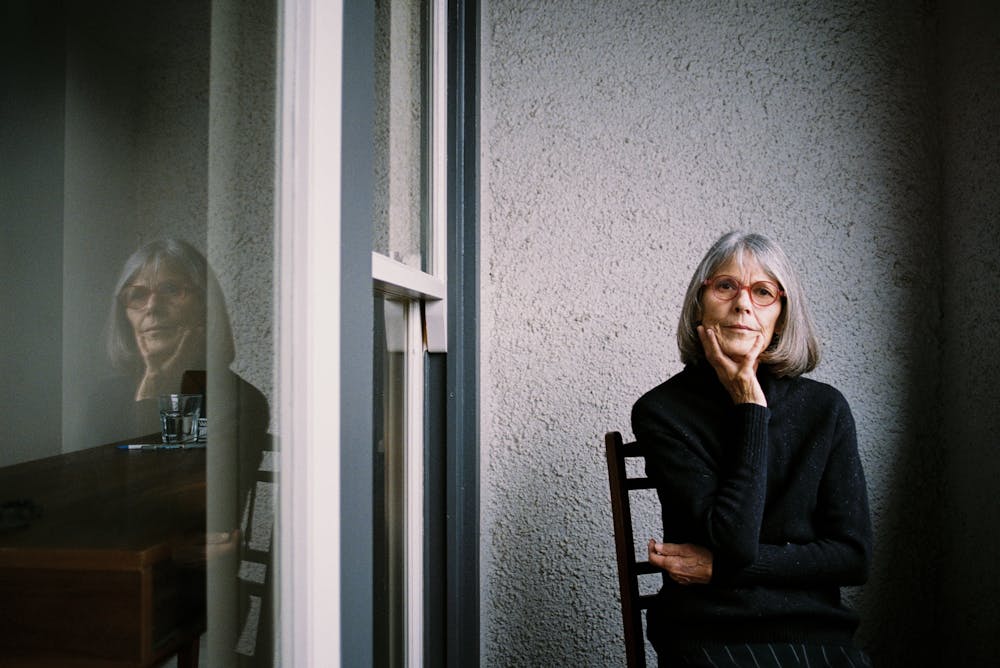
Adultery: nature or nuture?
The first half of the book is a broad-ranging meditation on adultery. Legge speaks from lived experience – she shares her own story with calm generosity – but writes too with a journalistic inquiry. She probes the issues of love, lust, desire, domesticity and infidelity, prodding the many layers of married life to produce a rich and nuanced vision.
While her heart struggles to comprehend betrayal, her intellectual curiosity is stirred: she realises there are generations of philanderers in her husband’s family, both men and women.
Research, too, suggested there were familial links, possibly because affairs were normalised in some ways, or even because there is a biological core. Perhaps as a distraction from the tragedies surrounding her, she asks the question: is infidelity driven by nature or nurture?
And so begins her exploration of the layers of infidelity, passion and deceit in her husband’s family. They travel – together – to Broken Hill, to uncover the absorbing life of his grandmother Jean.
 Legge carefully crafts a life; the kind that is generally lost to the historical record, leaving no trace in the archive. The matriarch Jean is brought to life, painstakingly retrieved through rumours, family records and interviews.
In the harsh sand dunes deep in the outback, Jean had marked her world, first as a pregnant teenager, giving birth to an illegitimate child who she – unusually – refused to surrender to adoption; then as a wife and publican, scraping together a living in the harshest of physical and mental environs.
It is a magical read: Legge brings to life the beauty and tragedies of life at what must have felt like the end of the earth. She wrestles, too, with the ache and desire of Jean’s affair with her lodger Roy, described as “younger, carefree and cashed up, in stark contrast to the man of the house”.
Just as in Legge’s own situation, where seemingly everyone knew about the affair but her, Jean’s lover was common knowledge in the tiny town. Things came to a head when her son Colin (the father of Legge’s husband), full of rage, told his father about his mother’s affair. Colin was ejected from the family, while Roy too was booted out, to be tragically killed in war. Jean and her husband Fred endured: probably unhappily, but central to the web of family.
Colin – himself a victim of the illicit affair – would eventually grow up to be a philanderer too. This time, it is a specifically gendered treachery. His wife, Legge’s mother-in-law, was left to clean, cook casseroles for the children and steak for him, and handwash his socks, while Colin shook his tail feathers at business dinners and romanced the young and willing.
When it all fell apart, his abandoned wife was outraged by the domestic expectations as much as the infidelity: both plaintively and powerfully, she noted she should never have washed the damned socks.
Read more:
It’s not just sex: why people have affairs, and how to deal with them
‘Forgiveness is healthier than bitterness’
After her potent exploration of family logistics, Legge returns to her own life. At first, she attempts to forgive. Was the damage done by the affair itself, or did the affair simply shine a light on a limping and brittle love? Either way, a visceral and evocative chapter charts the eventual breakdown of her marriage.
It’s messy, non-linear, jarring. Legge writes of muddling through, until the unexpected occurred: the infidelity of their son. Again, we return to the question of familial trauma, bonding and brain chemistry – was this an intergenerational story written in genetics, or forged within the daily lives of the family itself?
I’m not sure we know the answer, but either way, as Legge gently suggests, “Forgiveness is healthier than bitterness.”
Legge carefully crafts a life; the kind that is generally lost to the historical record, leaving no trace in the archive. The matriarch Jean is brought to life, painstakingly retrieved through rumours, family records and interviews.
In the harsh sand dunes deep in the outback, Jean had marked her world, first as a pregnant teenager, giving birth to an illegitimate child who she – unusually – refused to surrender to adoption; then as a wife and publican, scraping together a living in the harshest of physical and mental environs.
It is a magical read: Legge brings to life the beauty and tragedies of life at what must have felt like the end of the earth. She wrestles, too, with the ache and desire of Jean’s affair with her lodger Roy, described as “younger, carefree and cashed up, in stark contrast to the man of the house”.
Just as in Legge’s own situation, where seemingly everyone knew about the affair but her, Jean’s lover was common knowledge in the tiny town. Things came to a head when her son Colin (the father of Legge’s husband), full of rage, told his father about his mother’s affair. Colin was ejected from the family, while Roy too was booted out, to be tragically killed in war. Jean and her husband Fred endured: probably unhappily, but central to the web of family.
Colin – himself a victim of the illicit affair – would eventually grow up to be a philanderer too. This time, it is a specifically gendered treachery. His wife, Legge’s mother-in-law, was left to clean, cook casseroles for the children and steak for him, and handwash his socks, while Colin shook his tail feathers at business dinners and romanced the young and willing.
When it all fell apart, his abandoned wife was outraged by the domestic expectations as much as the infidelity: both plaintively and powerfully, she noted she should never have washed the damned socks.
Read more:
It’s not just sex: why people have affairs, and how to deal with them
‘Forgiveness is healthier than bitterness’
After her potent exploration of family logistics, Legge returns to her own life. At first, she attempts to forgive. Was the damage done by the affair itself, or did the affair simply shine a light on a limping and brittle love? Either way, a visceral and evocative chapter charts the eventual breakdown of her marriage.
It’s messy, non-linear, jarring. Legge writes of muddling through, until the unexpected occurred: the infidelity of their son. Again, we return to the question of familial trauma, bonding and brain chemistry – was this an intergenerational story written in genetics, or forged within the daily lives of the family itself?
I’m not sure we know the answer, but either way, as Legge gently suggests, “Forgiveness is healthier than bitterness.”
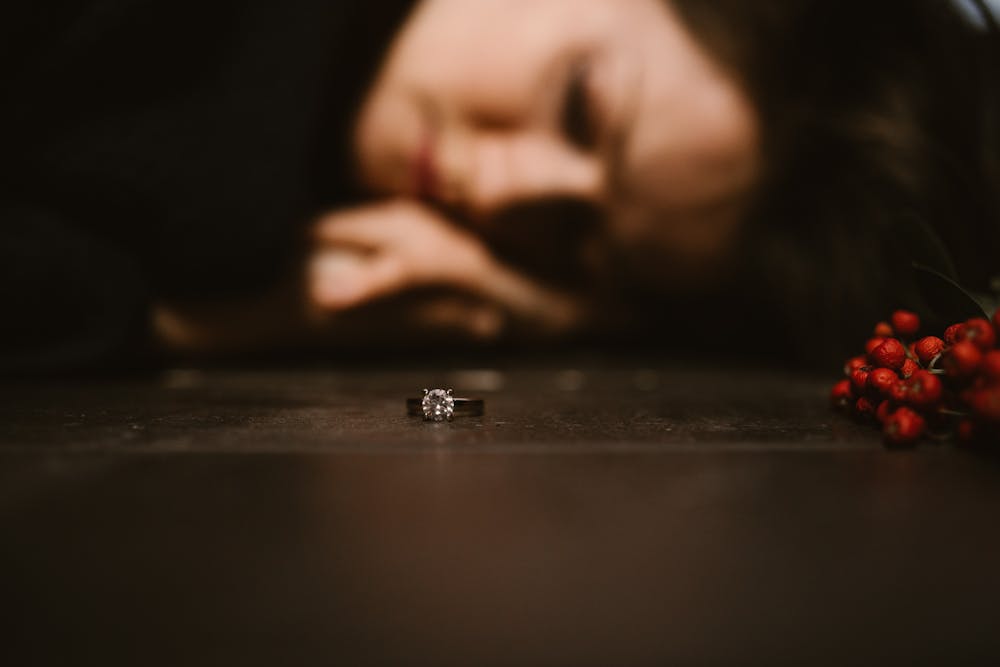 Kate Legge charts the eventual breakdown of her marriage in ‘a visceral and evocative’ chapter.
Rodnae Productions/Pexels, CC BY
The second half of the book is a series of vignettes that chart Legge’s new life, and her search for meaning and solace in the everyday. In some ways, it builds on the work on infidelity, tracing the ways our lives are shaped by family and memories and love and truth.
It continues the close and deep investigation into the commonplace, the unremarkable and the daily art of living. Legge explores the importance of green space, especially in Covid lockdowns, where communities flocked to parks as sanity saviours. She delves into a new love and his pet, the wolf-like white German Shepherd who frames their tripartite relationship. She remembers her Uncle Geordie, a family legend whose life was cracked by ASIO’s maladapt handling of an international scandal.
As readers, we can share her fears of climate change and the world we are leaving behind. The chapters dip and weave, often entirely enchantingly.
Read more:
Sex, 'skin hunger' and problematic men: Jessie Cole's memoir investigates desire after trauma
As a reader, I found the first section of Infidelity and Other Affairs hard to put down – it was as gripping as a detective novel, while tearing at the soul just enough. The second half was less compelling – it was beautifully written, full of tender but important observations, but without the powerful driving question that framed the section on infidelity.
Infidelity and Other Affairs is ultimately a book about families and how they shape us – and potentially break us. Perhaps Legge’s biggest contribution here is the centring of a woman’s voice: as a journalist, a writer, a wife, a mother, a grandmother, a lover. The finest chapters are profoundly domestic, and we are richer for this focus.
Legge has a gift of illuminating the ordinary, forcing us to take a closer look at the banal, everyday beauty that surrounds us.
Authors: Lisa Featherstone, Professor in Gender History and the History of Sexuality, The University of Queensland
Kate Legge charts the eventual breakdown of her marriage in ‘a visceral and evocative’ chapter.
Rodnae Productions/Pexels, CC BY
The second half of the book is a series of vignettes that chart Legge’s new life, and her search for meaning and solace in the everyday. In some ways, it builds on the work on infidelity, tracing the ways our lives are shaped by family and memories and love and truth.
It continues the close and deep investigation into the commonplace, the unremarkable and the daily art of living. Legge explores the importance of green space, especially in Covid lockdowns, where communities flocked to parks as sanity saviours. She delves into a new love and his pet, the wolf-like white German Shepherd who frames their tripartite relationship. She remembers her Uncle Geordie, a family legend whose life was cracked by ASIO’s maladapt handling of an international scandal.
As readers, we can share her fears of climate change and the world we are leaving behind. The chapters dip and weave, often entirely enchantingly.
Read more:
Sex, 'skin hunger' and problematic men: Jessie Cole's memoir investigates desire after trauma
As a reader, I found the first section of Infidelity and Other Affairs hard to put down – it was as gripping as a detective novel, while tearing at the soul just enough. The second half was less compelling – it was beautifully written, full of tender but important observations, but without the powerful driving question that framed the section on infidelity.
Infidelity and Other Affairs is ultimately a book about families and how they shape us – and potentially break us. Perhaps Legge’s biggest contribution here is the centring of a woman’s voice: as a journalist, a writer, a wife, a mother, a grandmother, a lover. The finest chapters are profoundly domestic, and we are richer for this focus.
Legge has a gift of illuminating the ordinary, forcing us to take a closer look at the banal, everyday beauty that surrounds us.
Authors: Lisa Featherstone, Professor in Gender History and the History of Sexuality, The University of Queensland 
















