

I/O Controller And Its Role In Modern Industrial Automation
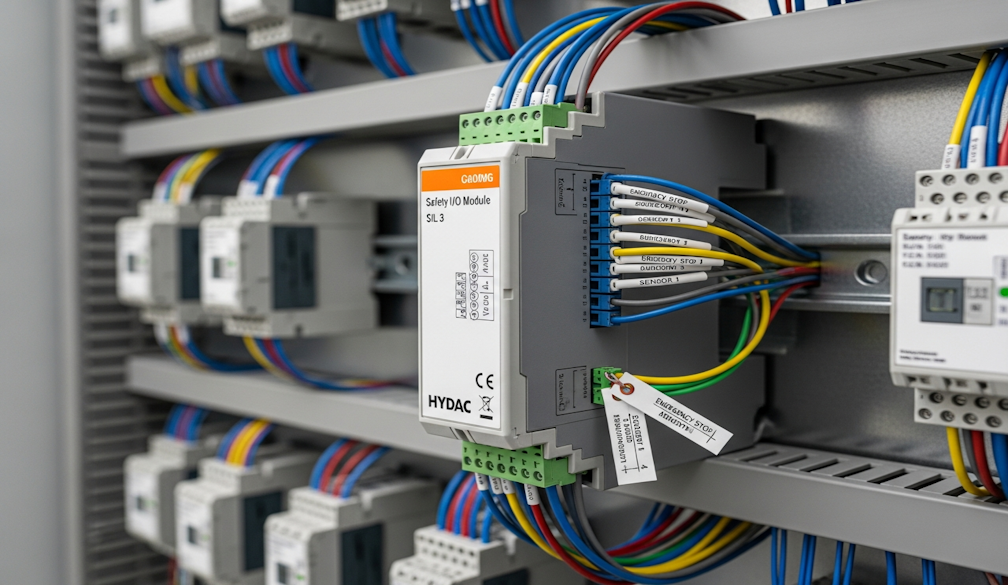
Industrial automation relies on a range of advanced technologies to ensure precision, speed, and reliability in day-to-day operations. Among these technologies, the I/O controller plays an essential role in bridging communication between field devices and central control systems. As industries adopt more interconnected equipment, automated workflows, and smart manufacturing processes, the importance of robust input/output systems continues to grow. An I/O controller functions as a central hub that collects data from sensors, transmits commands to actuators, and enables seamless coordination within automated environments. Its ability to convert, analyse, and relay information ensures that complex machinery functions smoothly and safely.
Understanding How I/O Controllers Operate In Industrial Environments
An I/O controller serves as the intermediary between the physical components of a system and its digital control framework. Sensors, switches, valves, motors, and other devices generate signals that need interpretation before being processed by a central controller such as a PLC or industrial computer. The I/O controller receives these signals, converts them into readable data, and transmits them to the control system. It also sends instructions back to field devices, enabling real-time responses to operational changes.
This bi-directional flow of information ensures high accuracy in monitoring and controlling equipment. Whether managing temperature, pressure, flow rates, or mechanical movement, an I/O controller keeps systems functioning within the required parameters. Its presence is fundamental to maintaining consistency, safety, and energy efficiency across automated processes.
Why Precision And Speed Matter In I/O Systems
Modern industries depend on equipment that can react instantly to changes in operating conditions. Any delay in communication between field devices and central systems can lead to inefficiencies, equipment damage, or production downtime. I/O controllers are engineered to process signals quickly, ensuring that control systems receive accurate data without latency. This responsiveness enables quick adjustments that help maintain optimal performance.
Speed is especially critical in industries such as manufacturing, mining, food production, and energy generation, where processes are continuous and require consistent monitoring. A high-quality I/O controller helps prevent errors, supports predictive maintenance, and increases overall output by ensuring all mechanical parts operate in sync.
The Importance Of Reliability In Industrial Automation
Industrial environments often involve harsh conditions such as extreme temperatures, vibrations, dust, moisture, and constant mechanical stress. Reliable I/O controllers are designed to withstand these factors while maintaining stable performance. They are built using durable components, protective casings, and advanced circuit designs that resist interference and signal disruption.
Reliability also comes from redundancy features within some systems. When one module fails, a backup can take over, ensuring that operations continue without interruption. This prevents costly downtime and supports long-term productivity. As production lines evolve into smart and connected ecosystems, dependable communication between devices becomes even more essential.
Supporting Data Collection And Real-Time Monitoring
Accurate data collection is central to industrial optimisation. I/O controllers gather information from various sensors across a facility, creating a detailed view of ongoing processes. This data helps operators identify inefficiencies, predict maintenance needs, and implement improvements that increase efficiency.
In smart factories, real-time data is integrated into analytics platforms that provide insights into energy use, performance trends, and equipment life cycles. By serving as the link between equipment and digital monitoring tools, I/O controllers help industries adopt more data-driven practices that enhance decision-making.
Enabling Safety Through Automated Controls
Safety is a core priority in any industrial setting. I/O controllers play a critical role in managing emergency stop systems, alarms, and shutdown procedures. When sensors detect abnormal conditions—such as overpressure, overheating, or mechanical faults—the controller transmits signals to activate protective responses immediately.
These rapid interventions prevent accidents, protect equipment, and ensure compliance with industry safety regulations. As industries adopt more automated safety systems, the role of I/O controllers in maintaining secure work environments becomes increasingly important.
Enhancing Flexibility And Scalability In Automation Systems
One of the advantages of modern I/O controllers is their adaptability. Many systems are modular, allowing industries to expand input and output capacity as needed. This flexibility enables businesses to scale their operations without replacing entire control systems. Additional modules can be integrated to support new devices, increased workloads, or more complex processes.
Scalability is particularly valuable for industries undergoing digital transformation. As they incorporate robotics, advanced monitoring systems, and smart devices, the ability to upgrade I/O capacity ensures smooth growth and seamless integration of new technologies.
Improving Efficiency Through Communication Protocols
I/O controllers support multiple communication protocols, enabling compatibility with a wide range of industrial systems. Protocols such as Ethernet/IP, Modbus, CAN bus, and Profibus allow controllers to communicate with PLCs, industrial PCs, and networked equipment. This interoperability is crucial in environments where systems from different manufacturers must work together.
By supporting advanced communication options, I/O controllers help reduce wiring complexity, streamline installation, and enhance overall system efficiency. This also prepares facilities for future upgrades and integration with modern digital platforms.
Applications Across Various Industrial Sectors
From manufacturing plants to water treatment facilities, and from automated warehouses to mining operations, I/O controllers form the backbone of modern automation. They regulate machinery, support continuous production cycles, and enhance quality control. Industries using robotics rely on I/O systems to synchronise movement, while energy sectors use them to manage power distribution and environmental monitoring. Their versatility ensures they remain indispensable across a wide range of industrial applications.
Conclusion
The I/O controller is a foundational element in modern industrial automation, enabling seamless communication between physical equipment and digital control systems. Its role in data collection, monitoring, safety management, and operational efficiency makes it one of the most valuable components in any automated setup. As industries continue adopting smarter and more interconnected technologies, I/O controllers will remain essential in supporting precision, reliability, and long-term performance across all sectors.


















