

Here's how to reset New Zealand’s cultural diplomacy in the Pacific
- Written by: Simon Mark, Senior Adviser Strategy and Policy, Massey University
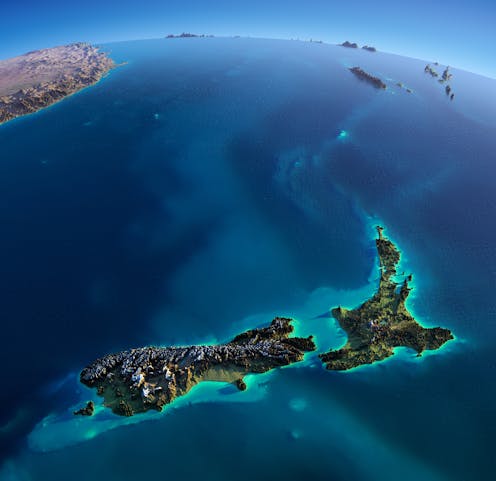
As part of a renewed approach to diplomacy in the Pacific region, the New Zealand budget this year included a funding boost for the Ministry of Foreign Affairs and Trade (MFAT) - NZ$150 million additional operational spending over four years - and a 30% increase in funding for New Zealand’s aid programme.
The question now is how to spend the money to achieve a real change in the way New Zealand engages with the Pacific. Asking all New Zealand diplomats to serve time in the Pacific would be a good start.
Increasing New Zealand influence
The cabinet paper setting out New Zealand’s refreshed approach to the Pacific notes a “dizzying array of problems in the region … and an increasingly contested strategic environment”, eroding New Zealand’s influence.
It proposes a new approach that includes “developing deeper partnerships” and bolstering the influence of like-minded partners.
Read more: New Zealand's Pacific reset: strategic anxieties about rising China
MFAT’s extra funding will allow it to employ 50 more diplomats. But to shift New Zealand’s engagement with the Pacific region, two important changes are needed.
Firstly, all New Zealand diplomats should be required to serve in the region at least once. Too few have spent time in the Pacific. Of the 11 members of MFAT’s leadership team, only one has served there. A three-year stint living in the Pacific is a powerful way to make friends and influence people.
Secondly, the reset needs to be far broader. New Zealand needs to recognise that the Pacific doesn’t just mean Polynesia - New Zealand’s interests in Melanesia are important and growing. New Zealand ministers need to carry through on the promise made in the reset announcement of frequent visits and a “high degree of political access” for Pacific leaders who visit New Zealand.
Don’t forget cultural diplomacy
The cabinet paper also notes the reset will place a greater focus on soft diplomacy, public diplomacy and people-to-people measures, all aimed at increasing New Zealand’s influence and connections. However, neither soft diplomacy nor public diplomacy are defined.
Soft diplomacy takes its name from soft power - the ability of a country to persuade others to do what it wants without force or coercion. Several definitions of public diplomacy have emerged recently, and the concept has been shifting from one-way transmission to collaboration.
The cabinet paper does not make it clear which tools the New Zealand government intends to use to reset its objectives in the Pacific region. The focus on New Zealand influence, using an approach distinguished by friendship and mutual benefit, suggests a prominent role for cultural diplomacy - the deployment of a state’s culture in support of its foreign policy goals.
Cultural diplomacy has the power to connect people from different cultures. Activities include language training, cultural performances, sport, scholarships and visits. The practice comes in two types.
Cultural branding focuses on promoting a positive aspect of a country in order to advance its interests. This has little genuine collaboration and the aim is mostly transmission. The second, far less prevalent type of cultural diplomacy is less concerned with showing off and more about advancing joint interests and empowering local voices and viewpoints.
Read more: Why China's 'debt-book diplomacy' in the Pacific shouldn't ring alarm bells just yet
Expanding New Zealand’s cultural diplomacy
New Zealand is well-placed to use cultural diplomacy. For one, it is a Pacific nation. A significant percentage of its population has Pacific ancestry and the domestic links to the region are substantial.
MFAT’s current range of activities includes scholarships through the New Zealand aid programme (NZAP), cultural and educational connections and a noticeable focus on sport. Immediate gains could be made by increased funding for scholarships and academic or students exchanges.
Scholarships are the gold standard of collaborative, shared-interest cultural diplomacy. For partners in the Pacific, NZAP scholarships provide an opportunity to study at tertiary education institutions that may not be available in their country, in subjects that are essential to the future wellbeing of Pacific states. For New Zealand, a cadre of scholarship recipients also get to know New Zealand. Similarly, academic and student exchanges, in both directions, are a powerful way to connect.
Another step could be increased support for cultural institutions. New Zealand provided substantial funding to replace the Huanaki Cultural Centre in Niue after it was destroyed by Cylcone Heta in 2004, but many other museums, galleries and libraries are also in need of support.
The Vanuatu Cultural Centre is a model, particularly its network of volunteer field workers throughout the country. The Bougainville library project is another example of collaboration, bringing together a New Zealand trust, a Bougainville trust, and Volunteer Services Abroad (VSA) volunteers. Yet, at the time funding was being raised for the project, the New Zealand government did not contribute a cent.
The Pacific barely features in the government’s only dedicated cultural diplomacy fund. The NZ$2 million Cultural Diplomacy International Programmeis aimed at boosting New Zealand’s profile and its economic, trade, tourism, diplomatic and cultural interests. It ostensibly has a focus on the Asia-Pacific region, but in practice the program is primarily concerned only with Asia.
Just one event has taken place in the Pacific since 2009. The fund seems concerned with cultural branding rather than collaboration, but that would be easy to adjust.
Authors: Simon Mark, Senior Adviser Strategy and Policy, Massey University
Read more http://theconversation.com/heres-how-to-reset-new-zealands-cultural-diplomacy-in-the-pacific-100454


















