

Leaving dog and cat poo lying around isn't just gross. It's a problem for native plants and animals, too
- Written by Kylie Soanes, Postdoctoral Fellow, School of Ecosystem and Forest Sciences, The University of Melbourne
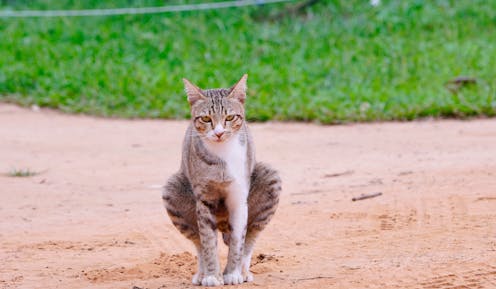
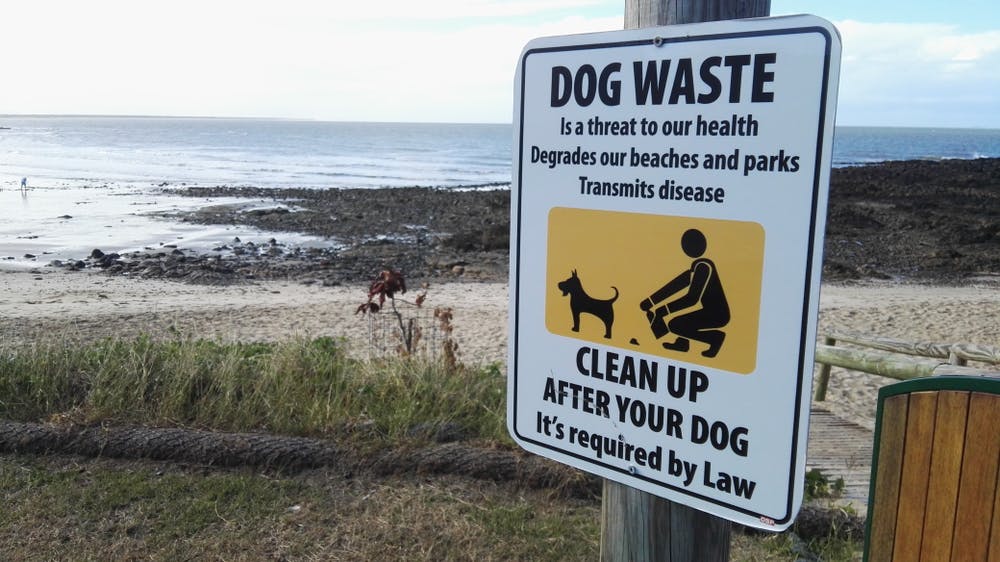
Dodging dog poo along the local path has become something of an Olympic sport of late. I thought I’d count path-side dog poo on my bike ride the other day and gave up after counting 30 piles in the first kilometre. It really does feel a bit out of control at the moment.
We know leaving dog poo lying around is bad for human health. But have you ever wondered what all this mess means for native wildlife?
It turns out pet poo – including both dog and cat poo – can have a number of negative effects on native plants and animals. And some of these might surprise you.
Read more: Urban owls are losing their homes. So we're 3D printing them new ones
1. Unwelcome fertiliser
Just like adding manure to the garden, pet poo left on the ground is a fertiliser. But not all plants thrive on excess.
Australian soils are naturally nutrient-poor and native plants and fungi are incredibly well-adapted to these conditions.
Yes, wildlife go to the toilet in nature too. But the difference is they also eat in nature – they’re part of the system.
Our pets, on the other hand, are fed nutrient-rich meals in our backyards and kitchens and then deliver these outside nutrients into the ecosystem. Pet poo can quickly find its way into waterways, which can drive algal blooms.
Researchers in Berlin estimated that if nobody picked up after their dogs, more than 11kg of nitrogen and 4kg of phosphorous per hectare would be added to urban nature reserves each year – levels that would be illegal for most farms.
2. Lurking disease
Pet cats aren’t off the hook. If you have a roaming kitty, they could be spreading toxoplasmosis – a disease that can cause serious illness and even death in native mammals.
Symptoms include blindness and seizures, and have been observed in kangaroos, wallabies, possums, wombats, bandicoots and bilbies. The disease even increases “risky” behaviours, with infected animals more prone to wandering around the open or being unafraid of predators.
It’s morbidly fascinating. The parasite causing the disease, Toxoplasma gondii, has two phases to its lifecycle. In the first phase, it’s happy hanging out inside pretty much any warm-blooded animal. But to complete the second phase, it has to jump to a cat. The easiest way to do this is to make your current host easy prey, hence the symptoms that debilitate native wildlife or make them prone to dangerous decisions.
Infected cats shed the parasite in their poo. So whenever native animals can come into contact with cat poo, they’re at risk. Researchers from the University of British Columbia found “wildlife living near dense urban areas were more likely to be infected”, citing domestic cats as the most likely culprit.
Worse, the parasite can lay dormant in poo for as long as 18 months, waiting for a host to jump into.
3. Eau de predator
Finally, and probably the most obvious: dog poo might signal to wildlife that predators are about and they should stay away.
Even though dogs are a new predator to Australian wildlife, our native species have had enough experience existing alongside dingoes to consider your pooch a threat.
Recent research shows that in 83% of tests, Australian native mammals recognised dogs as a threat – with dog poo being a common trigger.
This means the signs and smells your dog leaves out and about can affect the behaviour of native wildlife.
For example, bandicoots in Sydney were less likely to visit backyards that had a resident dog, even if it was kept inside at night.
 The signs and smells your dog leaves out and about can affect the behaviour of native wildlife.
Shutterstock
The signs and smells your dog leaves out and about can affect the behaviour of native wildlife.
Shutterstock
‘What wildlife? What nature? We live in the city!’
It might surprise you to know we share our cities and towns with a huge range of native animals – even rare and endangered ones.
And as people have paid more attention to the nature in their local neighbourhood in recent years, we’re becoming more aware of the wildlife living right beneath our noses.
These species often depend on a seemingly rag-tag collection of urban green patches such as nature strips, utility easements, sports ovals and public gardens.
If these are all littered with smelly signs for wildlife to stay away, places safe for wildlife become even rarer in our cities. Reining in the pet poo problem is an easy way to reduce our impact.
The old adage “take only photographs, leave only footprints” is a good rule of thumb. Pick up after your pet and, importantly, take it with you to the nearest bin – don’t leave plastic bags dangling from fences like ornaments on the world’s worst Christmas tree.
Read more: The 39 endangered species in Melbourne, Sydney, Adelaide and other Australian cities
Authors: Kylie Soanes, Postdoctoral Fellow, School of Ecosystem and Forest Sciences, The University of Melbourne

















