

Finding a live brain worm is rare. 4 ways to protect yourself from more common parasites
- Written by Vincent Ho, Associate Professor and clinical academic gastroenterologist, Western Sydney University

News reports this morning describe how shocked doctors removed a live worm from a woman’s brain in a Canberra hospital last year. The woman had previously been admitted to hospital with stomach symptoms, dry cough and night sweats and months later experienced depression and forgetfulness that led to a brain scan.
In the case study published in Emerging Infectious Diseases journal, doctors describe removing the live 8cm-long nematode (roundworm) from the brain of the 64-year-old woman who was immunosuppressed. The worm was identified as O. robertsi which is native to Australia, where it lives on carpet pythons. The woman may have come into contact with worm eggs via snake faeces while foraging for Warrigal greens to eat.
It’s important to note this is an extremely rare event and headlines about brain worms can be alarming. But there are more common parasites which can infect your body and brain. And there are ways you can minimise your risks of being infected with one.
Common parasites and how they get in
Parasitic infection is extremely common. Arguably the most widespread type is pinworm (Enterobius vermicularis also called threadworm), which is thought to be present in over a billion people worldwide, especially children. Pinworms grow to around 1cm in length and are specific to human hosts. They cause intense bottom itching and get passed from person-to-person. It’s a myth that you can get it from pets.
Giardia (Giardia duodenalis) is also very common and can contaminate food, water and surfaces. This water-borne parasite is associated with poor sanitation and causes stomach symptoms like diarrhoea, cramps, bloating, nausea and fatigue. Giardia cysts (little sacs of immature parasite) spread disease and are passed out in faeces, where they can remain viable in the environment for months before being consumed by someone else. They can also be ingested via foods (such as sheep meat) that is raw or undercooked.
Read more: Health check: the low-down on 'worms' and how to get rid of them
Two types of hookworm – Necator americanis and Ancylostoma duadonale – are found in soil. Only Ancylostoma duodenale is an issue in Australia and is typically found in remote communities.
When a person is infected (usually via barefeet or contaminated footwear) these worms enter the bloodstream and then hit the lungs. From the bronchi in the upper lungs, they are swallowed with secretions. Once in the gut and small bowel they can cause anaemia (low iron). This is because they are consuming nutrients and affecting iron absorption. They also release an anticoagulant that stops the human host’s blood clotting and causes tiny amounts of blood loss.
Fortunately, these very common parasites do not infect the brain.
Across the world, it’s estimated 30–50% of people are infected with Toxoplasma. Most people will be asymptomatic but many carry the signs of infection.
The parasites can remain in the body for years as tiny tissue cysts. These cysts can be found in brain, heart and muscle. Infants can be born with serious eye or brain damage if their mothers are infected during pregnancy. People with compromised immunity – such as from AIDS or cancer treatment – are also at risk of illness from infection via pet cats or uncooked meat.

Read more: One in three people are infected with _Toxoplasma_ parasite – and the clue could be in our eyes
Then there are tapeworms and amoebas
Tapeworms can infect different parts of the body including the brain. This is called neurocysticercosis and is the leading cause of epilepsy worldwide. Neurocysticercosis is uncommon in the Western world and infection is usually via eating pork that is uncooked or prepared by someone who is infected with tapeworm (Taenia solium). It is more likely in locations where pigs have contact with human faeces via sewerage or waterways.
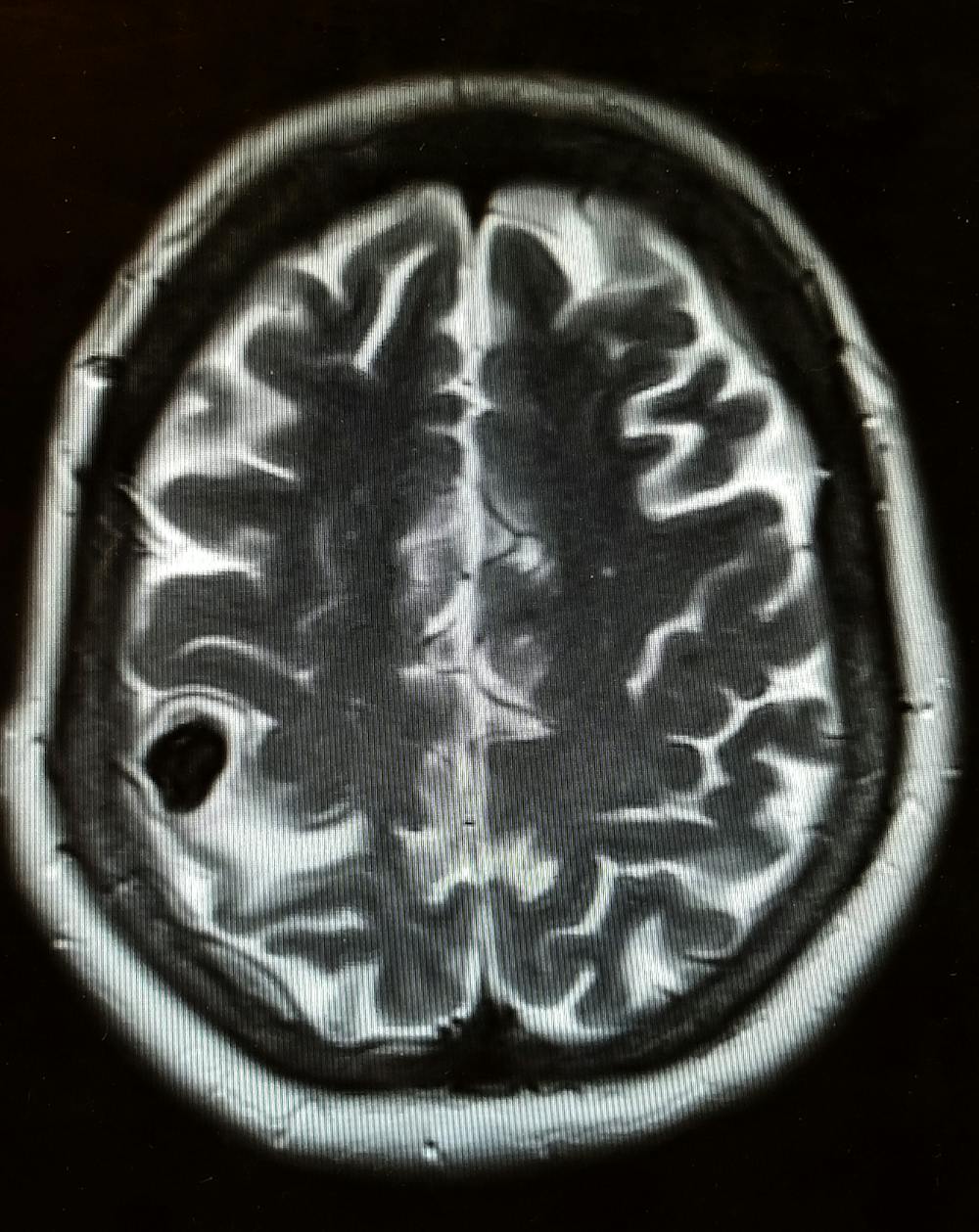 A brain scan of someone infected with pork tapeworm.
Shutterstock
A brain scan of someone infected with pork tapeworm.
Shutterstock
Tapeworm larvae can infect muscle and soft tissue. Brain tissue can provide a home for larvae because it is soft and easy to get to via blood vessels. Brain infection can cause headaches, dizziness, seizures, cognitive impairment and even dementia, due to an increase in cerebral spinal fluid pressure.
Naegleria fowleri is an amoeba found in lakes, rivers and springs in warm climates including in Australia. People swimming in infected waters can have the parasite enter their body through the nose. It then travels to the brain and destroys brain tissue. The condition is almost always fatal.
Read more: What are parasites and how do they make us sick?
Yikes! 4 ways to avoid parasitic infection
That all sounds very scary. And we know being infected by a snake parasite is very rare – finding one alive in someone’s brain is even rarer. But parasites are all around us. To minimise your risk of infection you can:
1. avoid undercooked or raw pork. Freezing meat first may reduce risks (though home freezers may not get cold enough) and it must be cooked to a high internal temperature. Avoid pork if you are travelling in places with poor sanitation
2. avoid jumping or diving into warm fresh bodies of water, especially if they are known to carry Naegleria fowleri. Although only a handful of cases are reported each year, you should assume it’s present
3. practise good hand hygiene to reduce the risk of rare and common infections. That means washing hands thoroughly and often, using soap, scrubbing for at least 20 seconds, rinsing and drying well. Clip and clean under fingernails regularly
4. to avoid soil-borne parasites wear shoes outside, especially in rural and remote regions, wash shoes and leave them outside.
Authors: Vincent Ho, Associate Professor and clinical academic gastroenterologist, Western Sydney University

















