

The true damage of invasive alien species was just revealed in a landmark report. Here's how we must act
- Written by Andy Sheppard, Research Director CSIRO Health & Biosecurity, CSIRO
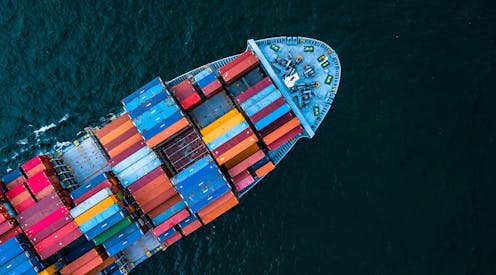
Invasive alien species are driving biodiversity loss and extinctions in every country, all over the world.
Responding to the challenge, the United Nations is today releasing the first global assessment of invasive alien species and their control.
It comes from the Intergovernmental Science-Policy Platform on Biodiversity and Ecosystem Services (IPBES), which represents almost 140 member states.
Over four years, 86 expert authors from 49 countries gathered the latest scientific evidence and Indigenous and local knowledge on invasive alien species. The report draws on more than 13,000 references, including governmental reports. We were among the authors. Here are some of the key insights for Australia and Aotearoa New Zealand.
Read more: Invasive species are Australia's number-one extinction threat
Hope in the face of increasing threats
In 2019, IPBES released a global biodiversity assessment that placed invasive alien species in the top five drivers of biodiversity loss - alongside changing land- and sea-use, over-exploitation of natural resources, climate change, and pollution.
This triggered further assessment to determine the current global state of biological invasions, the effectiveness of our existing responses, and recommended management and policy options.
The result, released today, is the most comprehensive overarching policy-relevant report on biological invasions to date.
It promises to help us meet our international obligations under the recently adopted UN Convention on Biological Diversity. In particular, one of the targets in the Kunming-Montreal Global Biodiversity Framework is to “eliminate, minimise, reduce and/or mitigate the impacts of invasive alien species on biodiversity and ecosystem services”.
The world faces increasing biosecurity threats, but effective management can prevent or lessen the extent of subsequent biological invasions. Ambitious progress can be achieved with an integrated approach.
The experience in Australia and Aotearoa New Zealand
Australia already has close to 3,000 introduced alien species. Aotearoa New Zealand has almost 900.
Globally, we observe around 200 new alien species every year, and many of these species (>10%) have negative impacts, including threats to native species, the health of natural vegetation, or the way ecosystems work.
Australian examples include foxes, red imported fire ants and gamba grass.
Aotearoa New Zealand suffers from invasive Australian possums. And the Māori cultural icon the Kauri tree is under siege from a deadly dieback disease.
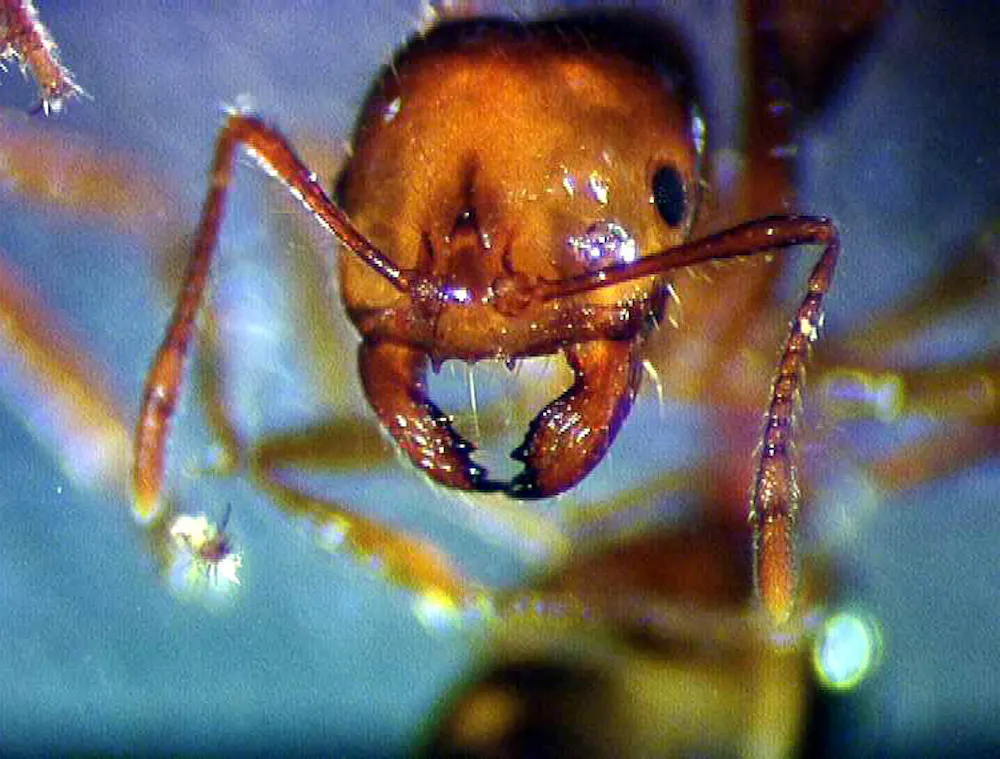
The assessment reveals that invasive alien species have contributed to 60% of global extinctions, and have been the sole driver of 16% of recorded extinctions.
Australia and Aotearoa New Zealand have among the highest modern global native species extinction rates. Australia is the worst in the world for mammals, while Aotearoa New Zealand has experienced tragic loss in endemic birds, largely due to invasive species.
The economies of both countries rely heavily on agriculture, trade and eco-tourism. These sectors are highly susceptible to threats from invasive alien species. The cost to Australia is A$24.5 billion a year out of an estimated global cost of $654 billion (US$423 billion a year).
The cost of biological invasions is quadrupling every decade, but stringent biosecurity policies and practices can protect our environment and economies. They also safeguard our wellbeing and cultural and social livelihoods.
Continued cooperation and investment across our region is paramount to preventing future impacts from increasing threats. These include foot and mouth disease and avian influenza.
At the same time, already established invasive alien species can supercharge environmental disasters. For example, the wildfire-promoting properties of introduced African pasture grasses exacerbated bushfires in Hawaii this year.
Coordinate, consult and prioritise
An effective biosecurity system can mitigate the threats from invasive species. But to do so, we’ll need coherent policy across primary production and logistic sectors, better education and greater public awareness.
We need to coordinate and prioritise our efforts, from offshore ports to border control and quarantine, through to eradication or containment of any new pests and weeds.
Government-industry partnerships are leading to trusted “green-lane” trade supply chains. This cuts red tape for businesses that manage import risks and produce pre-costed and co-designed emergency response agreements.
Prevention will not stop arrivals altogether. We will still have to contend with blow-ins on storm winds, ocean waves and boat hulls. There’s also the $23 billion a year illegal pet trade.
Biosecurity tools work best alongside strong public support, regulation and governance. We share a proud history of effective biological control programs for many weeds and pests. Australia’s approach to rabbit control using a virus was a world-first and it remains in use 70 years later. This has delivered benefits worth more than $70 billion.
Despite strong biosecurity measures, highly engaged primary industries agricultural industries, excellent research infrastructure and a high level of public awareness, invasive alien species continue to slip through our borders and multiply.
We tried to defend our countries against recent invasions from the fall armyworm, myrtle rust and the varroa mite. But they have still managed to establish.
One world, ‘One Biosecurity’
The rising pressure of trade will likely outpace the resourcing dedicated to biosecurity measures. Frequent interceptions of pests, weeds, and diseases at our border highlight the pressure we are under. We will have to simply become smarter, more effective, and better coordinated across the human, animal, plant and ecosystem health sectors.
We encourage governments to recognise the threats invasive alien pests pose and mobilise their resources and capability to combat these threats – in regions where a species is first recognised as going rogue, rather than simply monitoring its progressive global spread. This is the One Biosecurity concept.
Australia and Aotearoa New Zealand can play a much stronger leadership role in managing biosecurity risks in the Pacific. After all, lax border protocols in our neighbourhood help pests and diseases end up on our doorstep.
Read more: Why red fire ants and yellow crazy ants have given themselves a green light to invade Australia
Authors: Andy Sheppard, Research Director CSIRO Health & Biosecurity, CSIRO

















