

Is it okay to kiss your pet? The risk of animal-borne diseases is small, but real
- Written by Sarah McLean, Lecturer in environmental health, Swinburne University of Technology
Our relationship with pets has changed drastically in recent decades. Pet ownership is at an all-time high, with a recent survey finding 69% of Australian households have at least one pet. We spend an estimated A$33 billion every year on caring for our fur babies.
While owning a pet is linked to numerous mental and physical health benefits, our pets can also harbour infectious diseases that can sometimes be passed on to us. For most people, the risk is low.
But some, such as pregnant people and those with weakened immune systems, are at greater risk of getting sick from animals. So, it’s important to know the risks and take necessary precautions to prevent infections.
Read more: Health Check: what bugs can you catch from your pets?
What diseases can pets carry?
Infectious diseases that move from animals to humans are called zoonotic diseases or zoonoses. More than 70 pathogens of companion animals are known to be transmissible to people.
Sometimes, a pet that has a zoonotic pathogen may look sick. But often there may be no visible symptoms, making it easier for you to catch it, because you don’t suspect your pet of harbouring germs.
Zoonoses can be transmitted directly from pets to humans, such as through contact with saliva, bodily fluids and faeces, or indirectly, such as through contact with contaminated bedding, soil, food or water.
Studies suggest the prevalence of pet-associated zoonoses is low. However, the true number of infections is likely underestimated since many zoonoses are not “notifiable”, or may have multiple exposure pathways or generic symptoms.
Dogs and cats are major reservoirs of zoonotic infections (meaning the pathogens naturally live in their population) caused by viruses, bacteria, fungi and parasites. In endemic regions in Africa and Asia, dogs are the main source of rabies which is transmitted through saliva.
Read more: Explainer: the rabies virus
Dogs also commonly carry Capnocytophaga bacteria in their mouths and saliva, which can be transmitted to people through close contact or bites. The vast majority of people won’t get sick, but these bacteria can occasionally cause infections in people with weakened immune systems, resulting in severe illness and sometimes death. Just last week, such a death was reported in Western Australia.
Cat-associated zoonoses include a number of illnesses spread by the faecal-oral route, such as giardiasis, campylobacteriosis, salmonellosis and toxoplasmosis. This means it’s especially important to wash your hands or use gloves whenever handling your cat’s litter tray.
Cats can also sometimes transmit infections through bites and scratches, including the aptly named cat scratch disease, which is caused by the bacterium Bartonella henselae.
Both dogs and cats are also reservoirs for methicillin-resistant bacterium Staphylococcus aureus (MRSA), with close contact with pets identified as an important risk factor for zoonotic transmission.

Read more: Cats carry diseases that can be deadly to humans, and it's costing Australia $6 billion every year
Birds, turtles and fish can also transmit disease
But it’s not just dogs and cats that can spread diseases to humans. Pet birds can occasionally transmit psittacosis, a bacterial infection which causes pneumonia. Contact with pet turtles has been linked to Salmonella infections in humans, particularly in young children. Even pet fish have been linked to a range of bacterial infections in humans, including vibriosis, mycobacteriosis and salmonellosis.
Close contact with animals – and some behaviours in particular – increase the risk of zoonotic transmission. A study from the Netherlands found half of owners allowed pets to lick their faces, and 18% allowed dogs to share their bed. (Sharing a bed increases the duration of exposure to pathogens carried by pets.) The same study found 45% of cat owners allowed their cat to jump onto the kitchen sink.
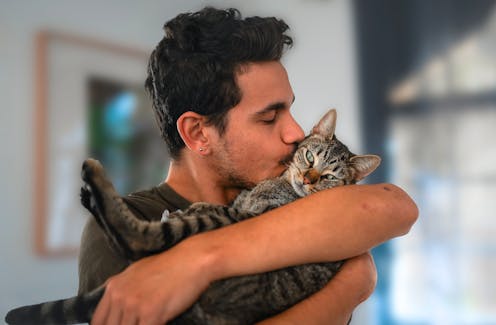
Kissing pets has also been linked to occasional zoonotic infections in pet owners. In one case, a woman in Japan developed meningitis due to Pasteurella multicoda infection, after regularly kissing her dog’s face. These bacteria are often found in the oral cavities of dogs and cats.
Young children are also more likely to engage in behaviours which increase their risk of getting sick from animal-borne diseases – such as putting their hands in their mouth after touching pets. Children are also less likely to wash their hands properly after handling pets.
Although anybody who comes into contact with a zoonotic pathogen via their pet can become sick, certain people are more likely to suffer from serious illness. These people include the young, old, pregnant and immunosuppressed.
For example, while most people infected with the toxoplasmosis parasite will experience only mild illness, it can be life-threatening or cause birth defects in foetuses.
 Young children under 5 years old are more at risk of zoonotic diseases, and also more likely to engage in behaviours that increase their chances of catching something from their pet.
Shutterstock
Young children under 5 years old are more at risk of zoonotic diseases, and also more likely to engage in behaviours that increase their chances of catching something from their pet.
Shutterstock
What should I do if I’m worried about catching a disease from my pet?
There are a number of good hygiene and pet husbandry practices that can reduce your risk of becoming sick. These include:
- washing your hands after playing with your pet and after handling their bedding, toys, or cleaning up faeces
- not allowing your pets to lick your face or open wounds
- supervising young children when they are playing with pets and when washing their hands after playing with pets
- wearing gloves when changing litter trays or cleaning aquariums
- wetting bird cage surfaces when cleaning to minimise aerosols
- keeping pets out of the kitchen (especially cats who can jump onto food preparation surfaces)
- keeping up to date with preventative veterinary care, including vaccinations and worm and tick treatments
- seeking veterinary care if you think your pet is unwell.
It is especially important for those who are at a higher risk of illness to take precautions to reduce their exposure to zoonotic pathogens. And if you’re thinking about getting a pet, ask your vet which type of animal would best suit your personal circumstances.
Read more: One in three people are infected with _Toxoplasma_ parasite – and the clue could be in our eyes
Authors: Sarah McLean, Lecturer in environmental health, Swinburne University of Technology

















