

10-year feral cat plan brings us a step closer to properly protecting endangered wildlife
- Written by Sarah Legge, Professor of Wildlife Ecology, Australian National University
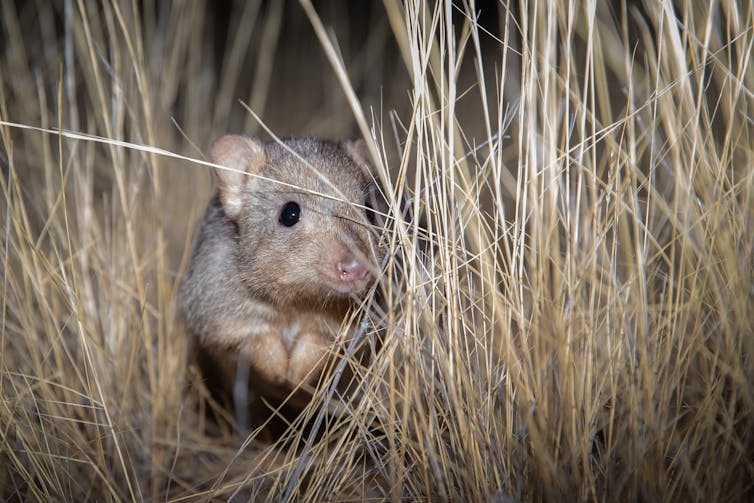
Federal Environment Minister Tanya Plibersek has released a draft feral cat management plan.
Its aim is to reduce the devastating impact of cats on Australian wildlife, with a focus on protecting the most at-risk species from extinction.
Cats kill over 6 million native animals in Australia each day, and are challenging to manage.
The plan released for public consultation has a ten-year horizon with an estimated cost of A$60 million in the first five years. It could be a major step towards achieving Australia’s global commitments to end extinctions.
Why manage cats?
Unless we control the impact of cats, many native wildlife populations will continue to decline. Some will be driven to extinction, a sad and irreversible outcome for future generations and the ecosystems these species are part of.
Cats are versatile and highly effective predators. A large male cat can kill animals up to about 4kg – nearly as big as the cat itself.
Since they arrived in Australia with Europeans, cats have spread across 99% of the country. Only some islands and specially constructed fenced conservation areas are cat-free.
Many native animal populations can’t cope with sustained hunting pressure from cats. Impacted species include more than 200 of Australia’s nationally listed threatened species and 37 migratory species.
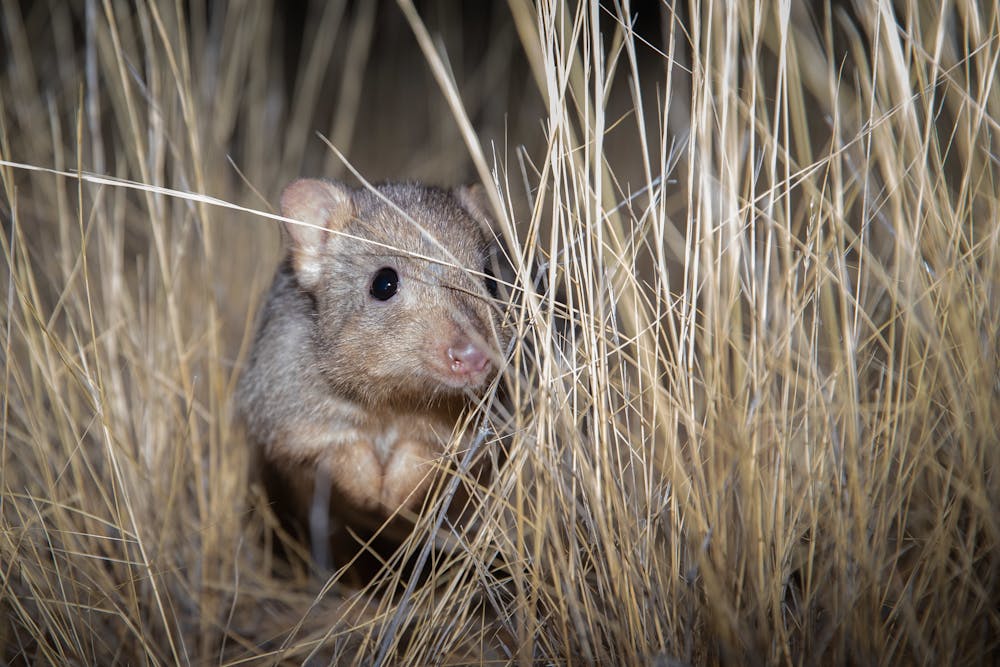
One in ten of the mammal species present when cats arrived are now extinct. Cats played a major role in most of those 34 extinctions. And they continue to drive population declines and regional extinctions of susceptible species.
Cats also carry and spread a range of diseases. One of these, toxoplasmosis, can cause sickness, behavioural impairment and death in other mammals and birds. This disease, which is entirely dependent on cats, can also have serious consequences for livestock and human health.
Read more: Toxoplasmosis: how feral cats kill wildlife without lifting a paw
A strategic response
The government’s new Threat Abatement Plan aims to co-ordinate national efforts to reduce the impacts of feral cats on native wildlife. It follows extensive consultation with Indigenous ranger groups and First Nations organisations around the country, with members of the national Feral Cat Taskforce, and with threatened species and cat management experts.
Since cats occur just about everywhere, affect so many species and are elusive and hard to control, the plan is strategic: it prioritises the places and species for which controlling cats will have the greatest benefits.
Some significant successes have been achieved over the past decade or so, and the plan builds on those.
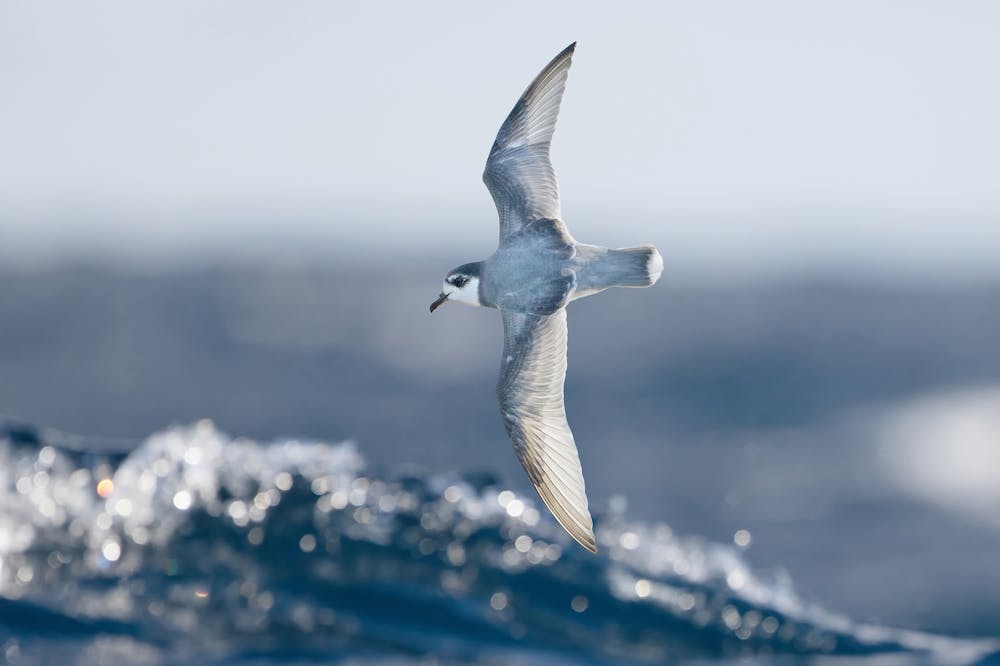 The population of threatened blue petrels that breeds on Macquarie Island is recovering since cats were eradicated.
JJ Harrison/Wikimedia Commons, CC BY-SA
The population of threatened blue petrels that breeds on Macquarie Island is recovering since cats were eradicated.
JJ Harrison/Wikimedia Commons, CC BY-SA
What are the priorities?
The plan’s objective is to improve outcomes for threatened and cat-susceptible native species, including numbats, bettongs, bandicoots and island-nesting seabirds.
Building from recent successes, it includes priorities for eradicating cats from islands and from within fenced conservation areas, because cats cannot quickly recolonise these areas. These projects are critical for native species, such as stick-nest rats and mala (rufous hare-wallaby), that can’t persist even with a very low density of cats.
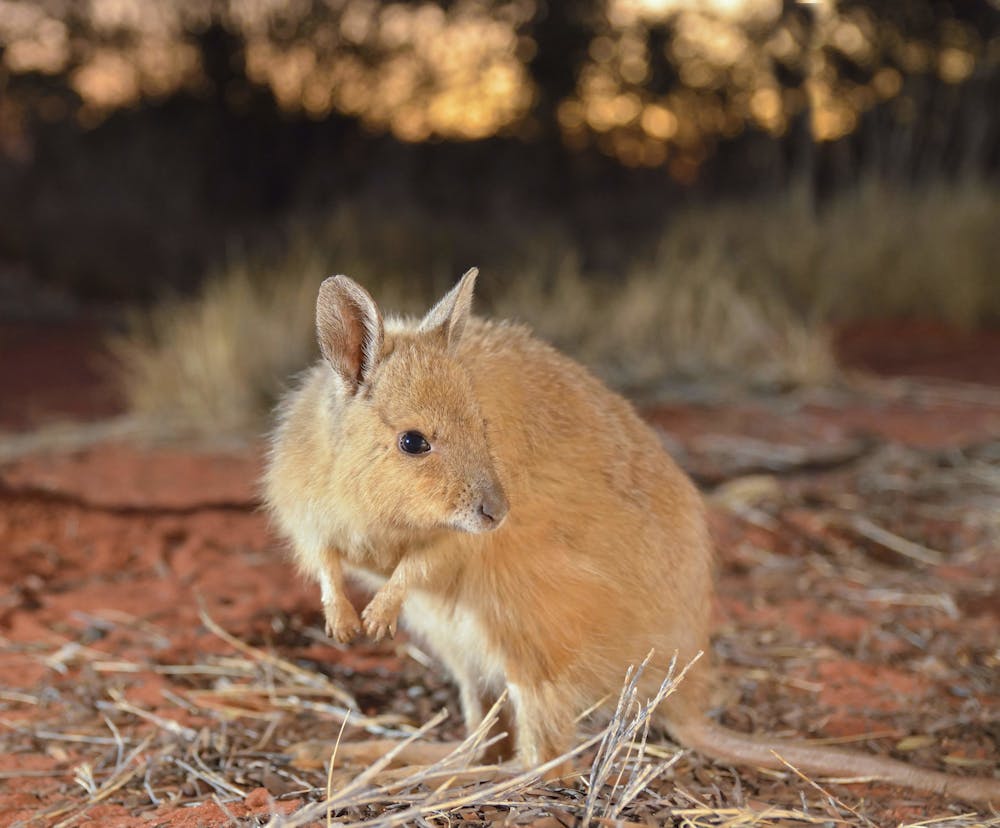 Populations of many native mammals, like mala, can’t survive with even low numbers of cats.
Wayne Lawler/Australian Wildlife Conservancy, CC BY
Populations of many native mammals, like mala, can’t survive with even low numbers of cats.
Wayne Lawler/Australian Wildlife Conservancy, CC BY
The plan also prioritises ongoing cat control in areas with important populations of threatened species that are highly vulnerable to cats, but which can persist as long as cat numbers are kept low.
This approach is valuable for species such as rock wallabies, which live in relatively small, well-defined areas, and for mammals of south-west Australia, which can be protected from cats and foxes by annual poison baiting.
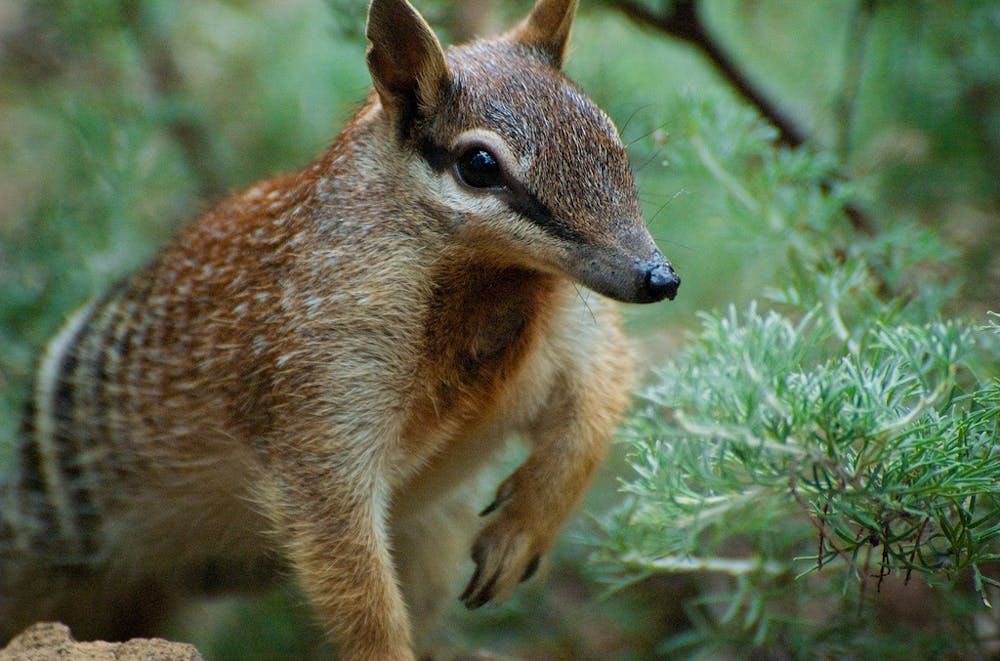 The numbat is one of many native animals in south-western Australia with a natural tolerance of poison baits, as the active ingredient is found in local plants.
Helenabella/Wikimedia Commons, CC BY-SA
The numbat is one of many native animals in south-western Australia with a natural tolerance of poison baits, as the active ingredient is found in local plants.
Helenabella/Wikimedia Commons, CC BY-SA
Read more: This critically endangered marsupial survived a bushfire – then along came the feral cats
Improving habitat management can also help reduce cat impacts across very large areas. For example, improving habitat in northern Australian tropical savannas, through better management of fire and livestock, can reduce cat impacts and increase native mammal populations. Cats hunt most efficiently in sparsely vegetated areas, so better cover provides more shelter for native wildlife.
In southern Australia, reducing rabbit populations also reduces cat numbers by removing an easy food source. This then relieves some of the predation pressure on native animals.
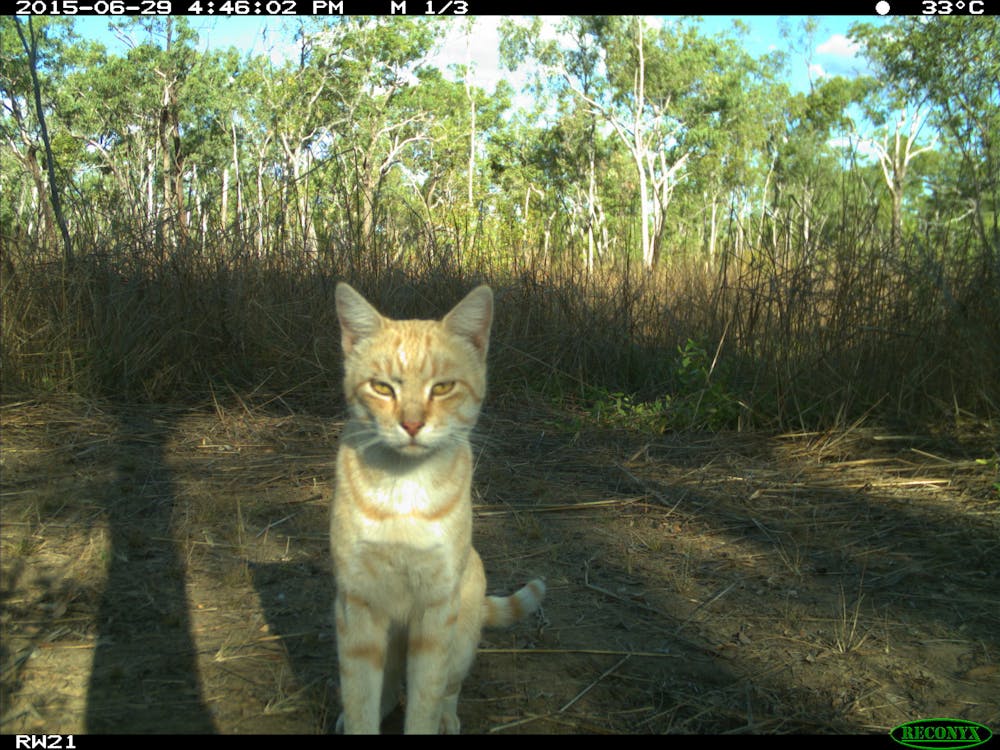 A feral cat detected by a camera trap in tropical savanna in Northern Australia.
Northern Territory Government, CC BY
A feral cat detected by a camera trap in tropical savanna in Northern Australia.
Northern Territory Government, CC BY
Read more: The mystery of the Top End's vanishing wildlife, and the unexpected culprits
What else is in the plan?
The plan proposes reforms of laws and regulations for pet and feral cats in all states and territories. For example, the plan includes actions to make laws on pet cat management more consistent across the country and to encourage responsible pet ownership. This means desexing cats and keeping cats contained so they can’t harm wildlife or produce kittens that end up as feral cats.
Read more: Herding cats: councils' efforts to protect wildlife from roaming pets are hampered by state laws
Many of Australia’s last strongholds for threatened species that are vulnerable to cats, such as great desert skinks, bilbies and night parrots, are in Indigenous Protected Areas and other Indigenous-managed land. The plan outlines practical support that Indigenous rangers want to help them manage cats.
Over the past few decades, we have learned much about the impacts of cats and how best to manage them. But we are still a long way from cost-effective, continent-scale solutions to protect native wildlife. The plan identifies the need for new applied research and the development and testing of effective control tools.
Who’s responsible?
Success will depend on focusing and enhancing the already significant efforts of governments, Indigenous and non-Indigenous land managers, environmental non-government organisations, industry, community groups, researchers and the public.
The Australian government will help to deliver the plan by co-ordinating actions and making strategic investments in management and research activity.
Read more: One cat, one year, 110 native animals: lock up your pet, it's a killing machine
Be part of the solution
Every Australian who cares about our unique wildlife has an interest in cat management.
Cat owners can help by desexing their pet and keeping it indoors or in a cat run at all times.
Landowners can help by removing refuse that helps support feral cat colonies and by managing habitat so native animals can thrive.
And make sure your local, state and federal government members know how much you care about native wildlife.
The plan is available for public comment until December 11. Have a look, and have your say.
Authors: Sarah Legge, Professor of Wildlife Ecology, Australian National University



















