

Does running water really trigger the urge to pee? Experts explain the brain-bladder connection
- Written by James Overs, Research Assistant, Swinburne University of Technology
We all know that feeling when nature calls – but what’s far less understood is the psychology behind it. Why, for example, do we get the urge to pee just before getting into the shower, or when we’re swimming? What brings on those “nervous wees” right before a date?
Research suggests our brain and bladder are in constant communication with each other via a neural network called the brain-bladder axis.
This complex web of circuitry is comprised of sensory neural activity, including the sympathetic and parasympathetic nervous systems. These neural connections allow information to be sent back and forth between the brain and bladder.
The brain-bladder axis not only facilitates the act of peeing, but is also responsible for telling us we need to go in the first place.
How do we know when we need to go?
As the bladder fills with urine and expands, this activates special receptors detecting stretch in the nerve-rich lining of the bladder wall. This information is then relayed to the “periaqueductal gray” – a part of the brain in the brainstem which constantly monitors the bladder’s filling status.
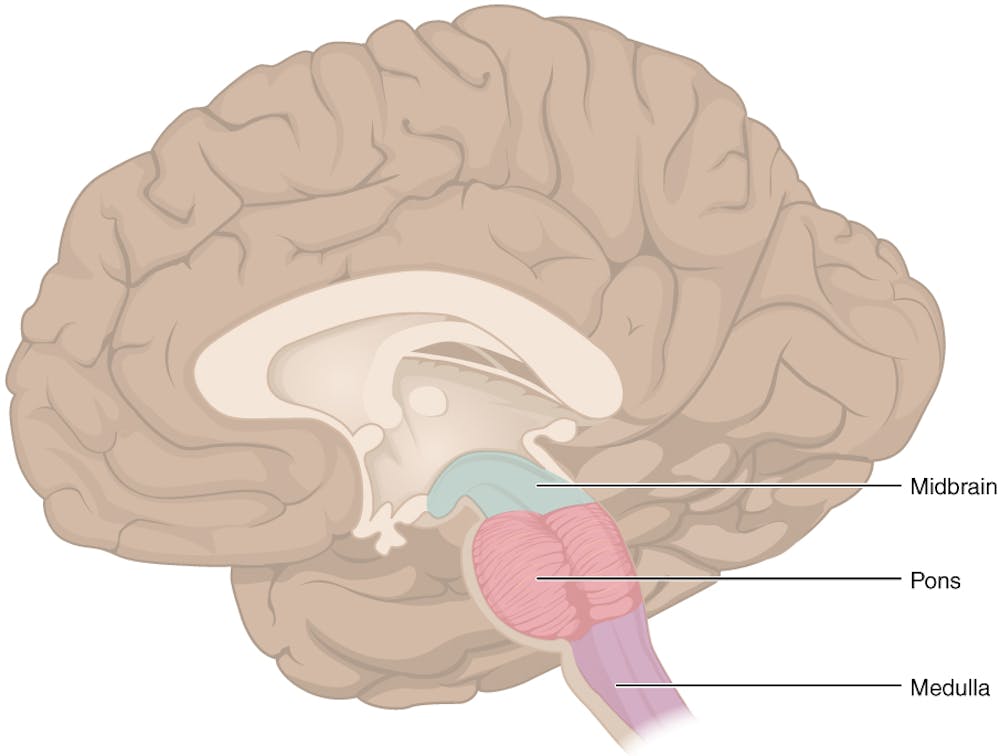
Once the bladder reaches a certain threshold (roughly 250-300ml of urine), another part of the brain called the “pontine micturition centre” is activated and signals that the bladder needs to be emptied. We, in turn, register this as that all-too-familiar feeling of fullness and pressure down below.
Beyond this, however, a range of situations can trigger or exacerbate our need to pee, by increasing the production of urine and/or stimulating reflexes in the bladder.
Peeing in the shower
If you’ve ever felt the need to pee while in the shower (no judgement here) it may be due to the sight and sound of running water.
In a 2015 study, researchers demonstrated that males with urinary difficulties found it easier to initiate peeing when listening to the sound of running water being played on a smartphone.
Symptoms of overactive bladder, including urgency (a sudden need to pee), have also been linked to a range of environmental cues involving running water, including washing your hands and taking a shower.
Read more: Does it matter if you sit or stand to pee? And what about peeing in the shower?
This is likely due to both physiology and psychology. Firstly, the sound of running water may have a relaxing physiological effect, increasing activity of the parasympathetic nervous system. This would relax the bladder muscles and prepare the bladder for emptying.
At the same time, the sound of running water may also have a conditioned psychological effect. Due to the countless times in our lives where this sound has coincided with the actual act of peeing, it may trigger an instinctive reaction in us to urinate.
This would happen in the same way Pavlov’s dog learnt, through repeated pairing, to salivate when a bell was rung.
 Over our lifetimes we may become conditioned to associate peeing with running water, due to the concurrence of these events.
Shutterstock
Over our lifetimes we may become conditioned to associate peeing with running water, due to the concurrence of these events.
Shutterstock
Cheeky wee in the sea
But it’s not just the sight or sound of running water that makes us want to pee. Immersion in cold water has been shown to cause a “cold shock response”, which activates the sympathetic nervous system.
This so-called “fight or flight” response drives up our blood pressure which, in turn, causes our kidneys to filter out more fluid from the bloodstream to stabilise our blood pressure, in a process called “immersion diuresis”. When this happens, our bladder fills up faster than normal, triggering the urge to pee.
Interestingly, immersion in very warm water (such as a relaxing bath) may also increase urine production. In this case, however, it’s due to activation of the parasympathetic nervous system. One study demonstrated an increase in water temperature from 40℃ to 50℃ reduced the time it took for participants to start urinating.
Similar to the effect of hearing running water, the authors of the study suggest being in warm water is calming for the body and activates the parasympathetic nervous system. This activation can result in the relaxation of the bladder and possibly the pelvic floor muscles, bringing on the urge to pee.
The nervous wee
We know stress and anxiety can cause bouts of nausea and butterflies in the tummy, but what about the bladder? Why do we feel a sudden and frequent urge to urinate at times of heightened stress, such as before a date or job interview?
When a person becomes stressed or anxious, the body goes into fight-or-flight mode through the activation of the sympathetic nervous system. This triggers a cascade of physiological changes designed to prepare the body to face a perceived threat.
As part of this response, the muscles surrounding the bladder may contract, leading to a more urgent and frequent need to pee. Also, as is the case during immersion diuresis, the increase in blood pressure associated with the stress response may stimulate the kidneys to produce more urine.
Some final thoughts
We all pee (most of us several times a day). Yet research has shown about 75% of adults know little about how this process actually works – and even less about the brain-bladdder axis and its role in urination.
Most Australians will experience urinary difficulties at some point in their lives, so if you ever have concerns about your urinary health, it’s extremely important to consult a healthcare professional.
And should you ever find yourself unable to pee, perhaps the sight or sound of running water, a relaxing bath or a nice swim will help with getting that stream to flow.
Read more: Is urine sterile? Do urine 'therapies' work? Experts debunk common pee myths
Authors: James Overs, Research Assistant, Swinburne University of Technology


















