
Zero alcohol doesn't mean zero risk – how marketing and blurred lines can be drinking triggers
- Written by: Shalini Arunogiri, Addiction Psychiatrist, Senior Lecturer, Monash University
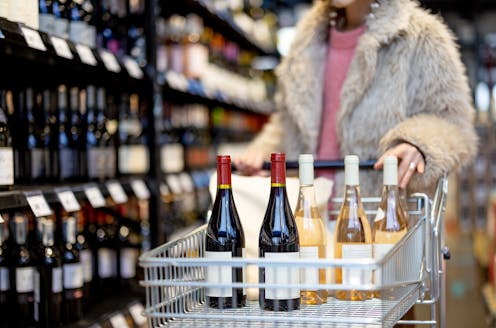
The availability and sales of “zero-alcohol” products have soared in recent years. In Australia, these are products containing less than 0.5% alcohol by volume, designed to mimic the flavour, appearance and packaging of alcoholic drinks.
The market for these products is projected to continue growing at a faster rate than alcoholic beverages.
This boom has been driven by production improvements that mean non-alcoholic products taste similar to their alcoholic inspirations. There have also been generational trends towards being more mindful of the amount of alcohol consumed.
Zero-alcohol products do not cause the physical harms associated with alcohol. But they are not without risk and may not be as healthy as they seem. Our new research explains why.
A lack of regulation
A World Health Organization report released earlier this year highlighted the limitations in evidence for the benefits of no- and low-alcohol beverages (which the WHO calls “NoLos”) and the overall lack of policy and regulation in the industry. The absence of oversight may mean potential harms associated with zero-alcohol products go unrecognised.
Although replacing alcohol drinks with zero-alcohol products might be used as part of an effort to cut down on drinking, there is a lack of rigorous research to support this. And the approach may not be suitable for everyone.
A review of ten studies found people with an alcohol use disorder (including addiction to alcohol, problematic or heavy drinking), experience increased cravings for alcohol when they consume zero-alcohol products. They also display physiological responses similar to those that occur when drinking alcohol such as increased heart rate and sweating.
It’s not just about the alcohol
The substitution of alcohol for zero-alcohol products does not address social, environmental and cultural factors. These often influence drinking behaviour. This is particularly relevant in Australia where drinking alcohol is normalised and encouraged.
For young people, zero-alcohol products could serve as a gateway for drinking and send a message underage drinking is acceptable. This sets up the potential for early alcohol initiation and risky drinking practices.
Zero-alcohol products are manufactured and packaged to look just like existing alcohol products. Many carry the same company branding as the alcoholic version, which blurs the lines between the two offerings.
Read more: We’re getting really good at making alcohol-free beer and wine. Here’s how it’s done
‘Alibi marketing’
In Australia, zero-alcohol drinks are subject to food rather than liquor licensing legislation. This means there are less restrictions to where and how they are displayed and marketed.
Such products are found on supermarket shelves and in convenience stores and advertised in a way that appears to promote the consumption of alcohol in risky and illegal situations, such as drinking before driving. This may lead to confusing messages that present drinking as harmless fun.
This is a form of “alibi marketing”. This form of marketing uses features synonymous with a brand – things like label colours, bottle shape or font design – while not advertising the product itself. The alcohol industry can use this strategy to extend the promotion of their brand to populations and places where alcohol advertising may be restricted. For instance, the reverse approach was recently used by a company to market an alcoholic version of soft drink, highlighting the risk of this approach for minors.
This is amongst broader concerns this form of marketing increases brand familiarity and awareness of alcohol products among those who are underage now but may drink in the future.
Studies have found exposure to marketing and advertising of zero-alcohol products results in increased intention and odds of purchasing and consuming alcohol drinks. Further research is needed to understand potential harms exposure to and drinking zero-alcohol products may have on vulnerable populations. This includes those with a history of alcohol addiction and children.

4 tips to minimise risks now
There are some actions you can take and considerations to keep in mind when it comes to zero-alcohol drinks:
- be aware zero-alcohol products may act as a drinking trigger or cue for those with experience of alcohol addiction and for young people
- if you want to stop or cut back on drinking alcohol, don’t substitute products that mimic the taste or appearance of alcoholic drinks. Go for soft drinks, fruit juices or sparkling water
- report advertisements and marketing for zero-alcohol products that are inappropriate or could cause harm by lodging a complaint via Ad Standards
- join the community push for zero-alcohol products to be subjected to the same regulations as alcoholic products.
Authors: Shalini Arunogiri, Addiction Psychiatrist, Senior Lecturer, Monash University


















