

Anne Enright’s bold new novel The Wren, The Wren is the work of a writer at the height of her power
- Written by: Georgia Phillips, Lecturer, Creative Writing, University of Adelaide

In her essay Mr Bennett and Mrs Brown, published in 1924, Virginia Woolf famously proposed that the novel’s primary function is the expression of character. She presented the maxim: “it is only if the characters are real that the novel has any chance of surviving.”
But in her discussion of what constitutes “real character”, she went on to ask a strikingly contemporary question: “what is reality? And who are the judges of reality?”
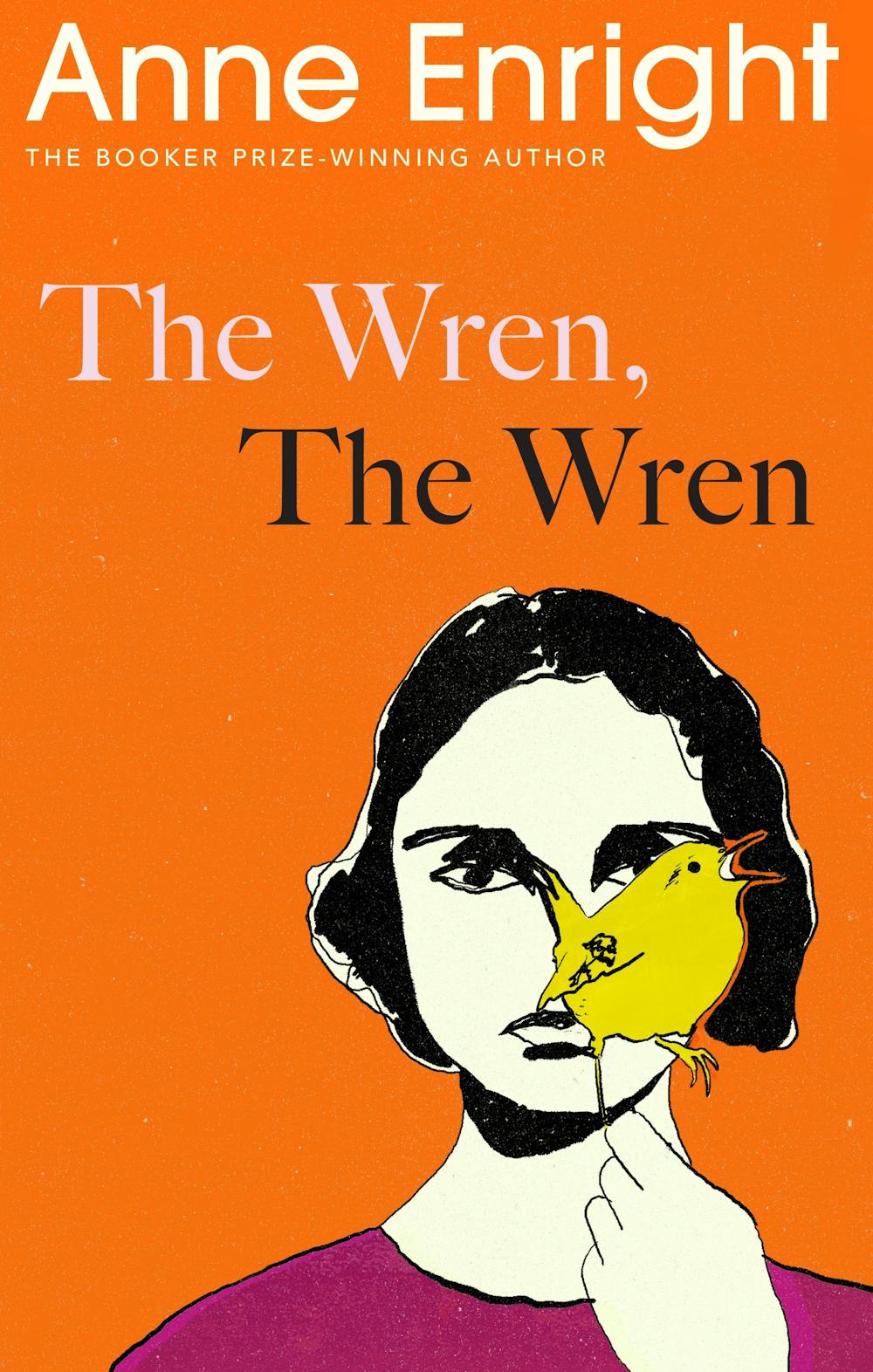
Review: The Wren, The Wren – Anne Enright (Jonathan Cape)
The question of how different characters judge, navigate and offset one another’s shared reality is at the centre of Anne Enright’s eighth novel, The Wren, The Wren. This technically experimental work trails a relationship between a young and spirited 20-something Trinity College student named Nell and her soberingly pragmatic mother Carmel.
Both women’s sense of self and perception of reality are irrevocably altered by two key events that ripple through the novel.
The first is Nell’s desperate bid for independence. In the opening pages, she has moved to a “little bubble of sorrow” in the Dublin suburb of Ballybough. This dreaded but necessary ascension to adulthood breaks her mother’s heart and her own.
Carmel’s sudden and reluctant empty-nester freedom prompts her to nostalgically revisit a series of painful memories from early adolescence and her years of single motherhood.
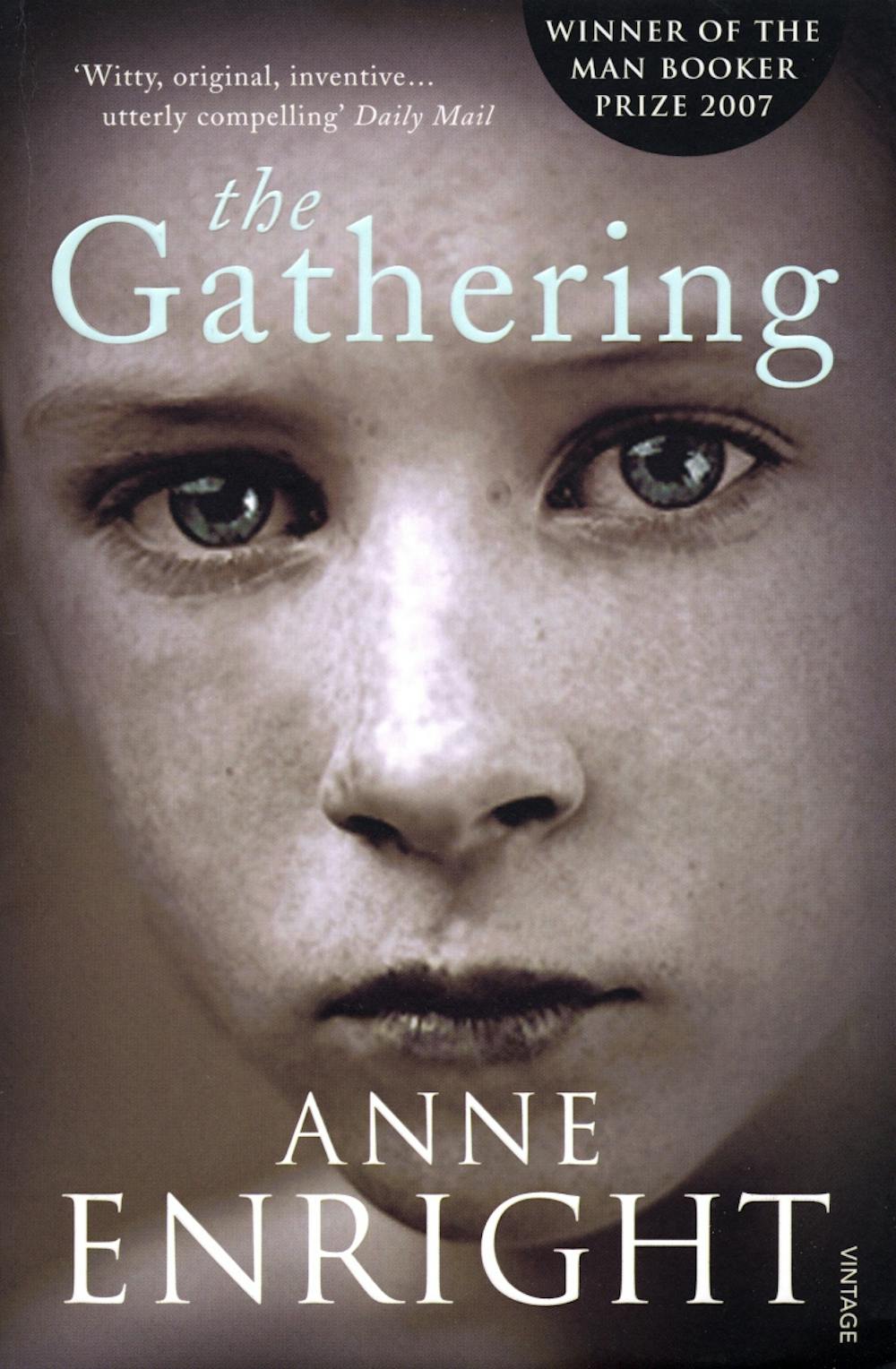
As with Enright’s earlier novels and her nonfiction work Making Babies: Stumbling into Motherhood (2004), The Wren, The Wren interrogates the politics of care and motherhood. It also offers an incisive meditation on the nature of filial relationships. And like her Man Booker Prize winner The Gathering (2007), it offers little consolation.
 In one of the many parallels that emerge throughout the novel, Nell is trying to transcend the same emotional gulf we see modelled by Carmel. She is a character of the contemporary moment: bold, sexually adventurous and digitally savvy. She is not so much “worried about the end of the world”, but she is concerned about small things like the extinction of the Irish nightjar and the “unbearable fate of the bees”. Her voice has a wry and precocious tone reminiscent of Ali Smith’s adolescent narrator George in How to be both (2014).
Nell is addicted to the internet in a way that functions as a proxy for a connection to the real world. She is surrounded by college friends disappearing into Instagram. She works for a travel blog, writing about places she hasn’t been to. She also writes drunken poetry on paper because she thinks this makes them real poems.
As Nell struggles with her new distance from Carmel and her lifetime in the shadow of her celebrity-poet grandfather, she buries herself in her relationship with Felim, a muscly Louth-born Dublin resident. She meets him one night in a club, where he is showing off his ability to lift people by the head: the first red flag missed. Their romance starts off on a comically bland note: him thumbing car magazines at the newsagent on the quays; her thinking, “Car Magazines. Really?”
In the beginning, it is the kind of intimate relationship you would expect between the young and inexperienced, where everything is new and mistakes are understandably made. But things deteriorate quickly. Esoteric pillow talk and surprise choking escalate to more elaborate forms of sexual violence that leave Nell wondering how it became “hard to tell the difference between sex and getting hurt in other ways”.
As the relationship disintegrates, Nell finds herself caught between reality and delusion about the men in her world. She thinks she is in love with Felim, despite knowing on at least a subconscious level that he is toxic. At one point, she reflects that “[w]aiting for this man was better than being with him”, as the act of waiting meant that “longing kept eating itself and giving birth to more longing.”
In the same way, watching her late grandfather’s interviews on YouTube and reading his poetry magnifies the strange intensity of her fantasy of love for this unavailable male figure. She tucks herself into bed at night with his poems to “curl up with Phil and sweeten the hurt”.
Enright cleverly shows how the subconscious and conscious mind compete in Nell’s narration. The deeply suppressed voice of reason occasionally surfaces in italicised font. For example, Nell has a moment of striking clarity when she is thinking about Felim: “if I believed all this was working, would it work?”
As parallels emerge between the delusional love Nell projects onto Felim and Phil, Carmel is struggling with a similar conflict between perception and reality. Throughout the novel, she is trying to reconcile the public image of her late father as a sensitive and revered poet with the private reality of the man he was.
In one of the many parallels that emerge throughout the novel, Nell is trying to transcend the same emotional gulf we see modelled by Carmel. She is a character of the contemporary moment: bold, sexually adventurous and digitally savvy. She is not so much “worried about the end of the world”, but she is concerned about small things like the extinction of the Irish nightjar and the “unbearable fate of the bees”. Her voice has a wry and precocious tone reminiscent of Ali Smith’s adolescent narrator George in How to be both (2014).
Nell is addicted to the internet in a way that functions as a proxy for a connection to the real world. She is surrounded by college friends disappearing into Instagram. She works for a travel blog, writing about places she hasn’t been to. She also writes drunken poetry on paper because she thinks this makes them real poems.
As Nell struggles with her new distance from Carmel and her lifetime in the shadow of her celebrity-poet grandfather, she buries herself in her relationship with Felim, a muscly Louth-born Dublin resident. She meets him one night in a club, where he is showing off his ability to lift people by the head: the first red flag missed. Their romance starts off on a comically bland note: him thumbing car magazines at the newsagent on the quays; her thinking, “Car Magazines. Really?”
In the beginning, it is the kind of intimate relationship you would expect between the young and inexperienced, where everything is new and mistakes are understandably made. But things deteriorate quickly. Esoteric pillow talk and surprise choking escalate to more elaborate forms of sexual violence that leave Nell wondering how it became “hard to tell the difference between sex and getting hurt in other ways”.
As the relationship disintegrates, Nell finds herself caught between reality and delusion about the men in her world. She thinks she is in love with Felim, despite knowing on at least a subconscious level that he is toxic. At one point, she reflects that “[w]aiting for this man was better than being with him”, as the act of waiting meant that “longing kept eating itself and giving birth to more longing.”
In the same way, watching her late grandfather’s interviews on YouTube and reading his poetry magnifies the strange intensity of her fantasy of love for this unavailable male figure. She tucks herself into bed at night with his poems to “curl up with Phil and sweeten the hurt”.
Enright cleverly shows how the subconscious and conscious mind compete in Nell’s narration. The deeply suppressed voice of reason occasionally surfaces in italicised font. For example, Nell has a moment of striking clarity when she is thinking about Felim: “if I believed all this was working, would it work?”
As parallels emerge between the delusional love Nell projects onto Felim and Phil, Carmel is struggling with a similar conflict between perception and reality. Throughout the novel, she is trying to reconcile the public image of her late father as a sensitive and revered poet with the private reality of the man he was.
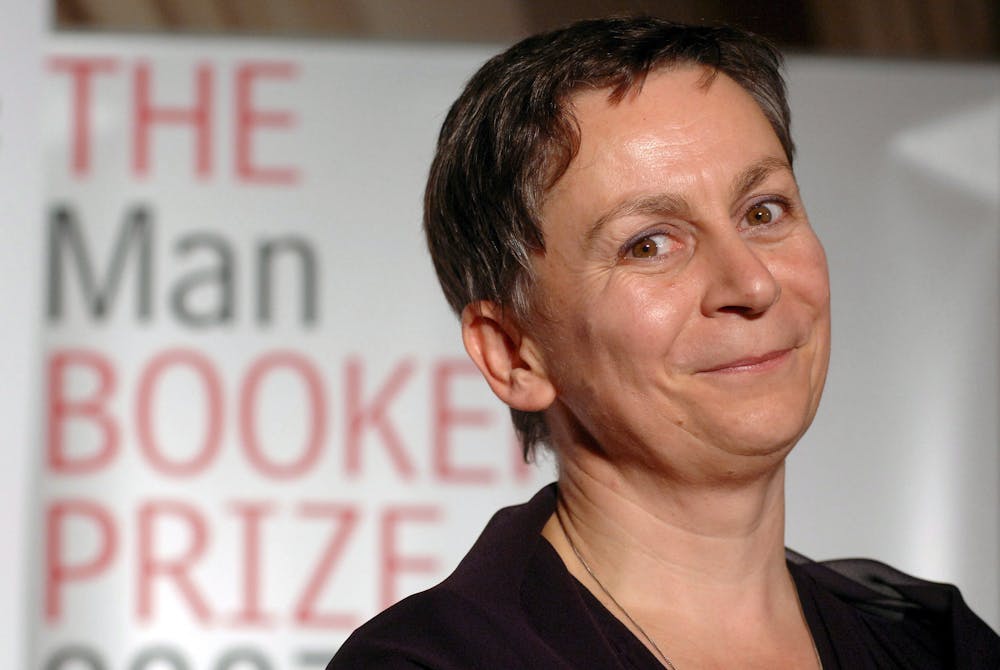 Anne Enright at the Man Booker Prize awards ceremony in 2007.
Daniel Deme/EPA
Read more:
Love, violence and 'class wounds' in Thatcher-era Glasgow: what Booker winner Douglas Stuart did next
Levels of reality
One of the great achievements of The Wren, The Wren is its formal inventiveness. Enright successfully renders the three separate but interconnected points of view of Nell, Carmel and Phil. These voices are staggered through the novel in a non-linear fashion.
As James Wood highlighted in How Fiction Works (2008), it is a novel’s job to teach us “how to adapt to its conventions” or its own “reality level.” In The Wren, The Wren, the levels are complexly intertwined. The overlapping of each character’s vantage point charts the effect of Phil’s absence on Nell and Carmel’s realities. Enright braids these perspectives in a way that illuminates grief’s ability to reverberate through time.
She also incorporates Phil’s poetry and his letters addressed to Carmel. The latter are signed off with a contrived closeness – “love eternal / Daddo” – that exacerbates the estranging distance between them. Like the trail of pain Phil leaves behind him, the poems and letters surface at uncanny intervals between chapters and imbue each scene with meaning. They also function as intrusive reminders of his narcissism.
Phil’s desperate grasps at being remembered serve as a reminder that his sensitivity was an aesthetic performance reserved for his writing and not his family. The juxtaposition of poetry, letters and prose also shows how delusion sits alongside folly in the narrative.
For example, the poem titled “The Wren, The Wren” makes a mockery of his influence over the daughter he deserted. Phil renders Carmel as “a panic / of feathered air” giving her a wounded-bird-like vulnerability that is misaligned with her presentation in the novel as, in the words of Nell, a “fighter” and a “lioness”.
There is something perverse about the logic behind Phil’s method of trying to connect with Carmel by sending her the very thing he walked out on them all to produce. But this perversity is very true to the “reality” of his character. Or, as Carmel reflects, if Phil had stopped writing poetry, the “veil of reality would be ripped away”.
The formally daring nature of The Wren, The Wren, its nimble prose, and the deft rendering of character and complex levels of reality make it easy to see how Enright has earned her place as one of Ireland’s most revered novelists. She was the country’s first Laureate for Fiction (2015-2018). In 2018, she received the PEN Award for Outstanding Contribution to Irish Literature. And in 2022, she was the recipient of the Irish Book Awards Lifetime Achievement Award.
The Wren, The Wren is another bold contribution to contemporary literature by a novelist at the height of her power.
Authors: Georgia Phillips, Lecturer, Creative Writing, University of Adelaide
Anne Enright at the Man Booker Prize awards ceremony in 2007.
Daniel Deme/EPA
Read more:
Love, violence and 'class wounds' in Thatcher-era Glasgow: what Booker winner Douglas Stuart did next
Levels of reality
One of the great achievements of The Wren, The Wren is its formal inventiveness. Enright successfully renders the three separate but interconnected points of view of Nell, Carmel and Phil. These voices are staggered through the novel in a non-linear fashion.
As James Wood highlighted in How Fiction Works (2008), it is a novel’s job to teach us “how to adapt to its conventions” or its own “reality level.” In The Wren, The Wren, the levels are complexly intertwined. The overlapping of each character’s vantage point charts the effect of Phil’s absence on Nell and Carmel’s realities. Enright braids these perspectives in a way that illuminates grief’s ability to reverberate through time.
She also incorporates Phil’s poetry and his letters addressed to Carmel. The latter are signed off with a contrived closeness – “love eternal / Daddo” – that exacerbates the estranging distance between them. Like the trail of pain Phil leaves behind him, the poems and letters surface at uncanny intervals between chapters and imbue each scene with meaning. They also function as intrusive reminders of his narcissism.
Phil’s desperate grasps at being remembered serve as a reminder that his sensitivity was an aesthetic performance reserved for his writing and not his family. The juxtaposition of poetry, letters and prose also shows how delusion sits alongside folly in the narrative.
For example, the poem titled “The Wren, The Wren” makes a mockery of his influence over the daughter he deserted. Phil renders Carmel as “a panic / of feathered air” giving her a wounded-bird-like vulnerability that is misaligned with her presentation in the novel as, in the words of Nell, a “fighter” and a “lioness”.
There is something perverse about the logic behind Phil’s method of trying to connect with Carmel by sending her the very thing he walked out on them all to produce. But this perversity is very true to the “reality” of his character. Or, as Carmel reflects, if Phil had stopped writing poetry, the “veil of reality would be ripped away”.
The formally daring nature of The Wren, The Wren, its nimble prose, and the deft rendering of character and complex levels of reality make it easy to see how Enright has earned her place as one of Ireland’s most revered novelists. She was the country’s first Laureate for Fiction (2015-2018). In 2018, she received the PEN Award for Outstanding Contribution to Irish Literature. And in 2022, she was the recipient of the Irish Book Awards Lifetime Achievement Award.
The Wren, The Wren is another bold contribution to contemporary literature by a novelist at the height of her power.
Authors: Georgia Phillips, Lecturer, Creative Writing, University of Adelaide 

















