

A classical espionage novel with shades of Le Carré, The Idealist explores the tumultuous path to East Timorese independence
- Written by: Tony Hughes-d'Aeth, Professor, Chair of Australian Literature, The University of Western Australia
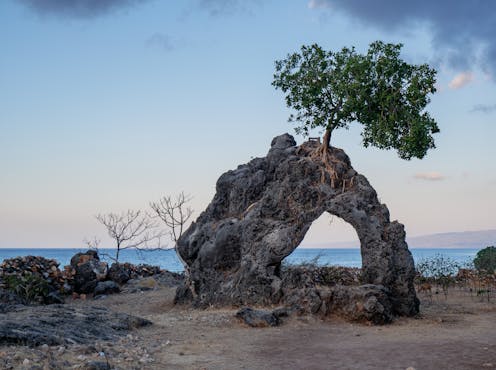
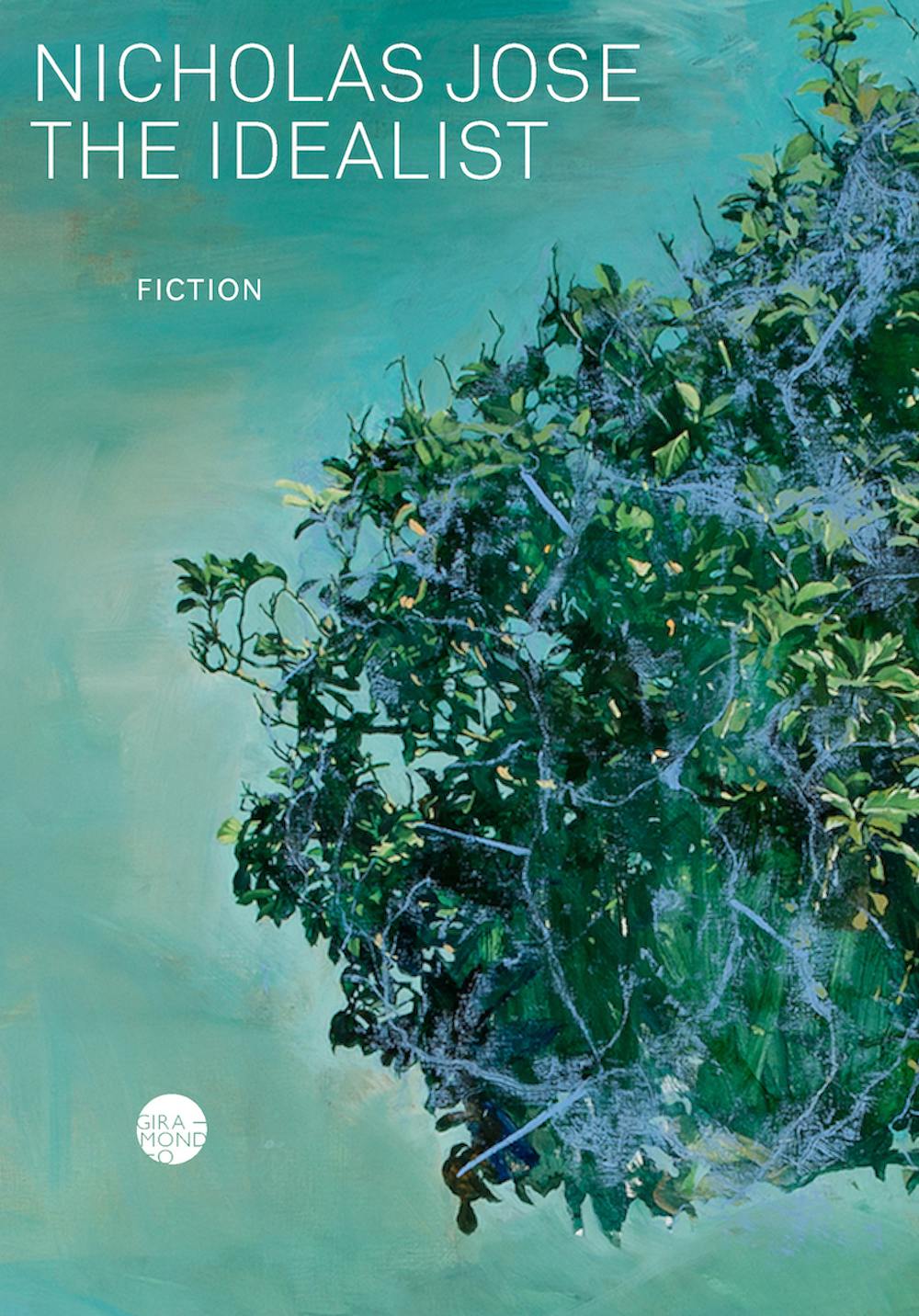
The Idealist is the eighth novel by respected Australian writer and academic Nick Jose. Set in the turbulent period leading up to the referendum for East Timorese self-determination in 1999, the novel has the form of a political thriller, albeit one that remains restrained and meditative.
Review: The Idealist – Nick Jose (Giramondo).
The “idealist” of the novel’s title is a former solider turned Defence analyst named Jake Treweek, who has been sent to Timor to provide intelligence on the evolving situation. Supplied with a false identity by the department, he poses as a plumber working for AUSAID.
The action takes place in the shadow of two dramatic ironies. The first, which is the condition of all historical fiction, is the irony that we – unlike the characters – know how this story turns out, at least in general terms.
The 1999 referendum was not without violence, but it did not yield the bloodbath that was feared, given the history of brutality since the Indonesian invasion of East Timor in 1975. In the period before the referendum, the presence of Australian-led UN troops INTERFET was crucial in quelling the violence that flared between rival militias and, in 2002, East Timor became officially independent.
 Any book about East Timor will revive, in Australian minds, the killing of five journalists covering the Indonesian invasion in the town of Balibo in 1975. But the book The Idealist will most likely call to mind is Christopher Koch’s classic novel The Year of Living Dangerously (1978), which is set during the Indonesian political crisis of 1965 and follows a group of journalists who are covering the events from Jakarta.
While there are some resemblances to Koch’s novel in the plotting, texture and mise-en-scène of The Idealist, Jose’s heroes mostly eschew the braggadocio of the journalists in The Year of Living Dangerously. One of the novel’s interesting elements is that its central group of protagonists grew up together in the genteel environs of the Adelaide Hills.
In its early sections, which mostly follow the recently widowed Anne as she tries to make sense of the death of her husband, we are taken back to the formative years when she, Jake, David and Henry came together. We learn that Jake and Henry were schoolmates at a prestigious private school and that Jake, a scholarship kid from a poor farm on the Yorke Peninsula, was drawn into the orbit of Henry’s wealthy family.
Henry’s father was a federal Member of Parliament and it was widely understood that, in due course, Henry would succeed him in that seat. When we reach 1998, when most of the novel takes place, Henry has indeed succeeded his father and is now the Minister of Foreign Affairs faced with the complex situation in East Timor.
It is here that Jose’s fictional foreign minister must inevitably evoke his real-world counterpart, Alexander Downer. This historical parallel is an intriguing aspect of the novel, one that points to the fissure between its status as a fictional drama and its grounding in the real-world events of East Timor’s fight for independence.
Any book about East Timor will revive, in Australian minds, the killing of five journalists covering the Indonesian invasion in the town of Balibo in 1975. But the book The Idealist will most likely call to mind is Christopher Koch’s classic novel The Year of Living Dangerously (1978), which is set during the Indonesian political crisis of 1965 and follows a group of journalists who are covering the events from Jakarta.
While there are some resemblances to Koch’s novel in the plotting, texture and mise-en-scène of The Idealist, Jose’s heroes mostly eschew the braggadocio of the journalists in The Year of Living Dangerously. One of the novel’s interesting elements is that its central group of protagonists grew up together in the genteel environs of the Adelaide Hills.
In its early sections, which mostly follow the recently widowed Anne as she tries to make sense of the death of her husband, we are taken back to the formative years when she, Jake, David and Henry came together. We learn that Jake and Henry were schoolmates at a prestigious private school and that Jake, a scholarship kid from a poor farm on the Yorke Peninsula, was drawn into the orbit of Henry’s wealthy family.
Henry’s father was a federal Member of Parliament and it was widely understood that, in due course, Henry would succeed him in that seat. When we reach 1998, when most of the novel takes place, Henry has indeed succeeded his father and is now the Minister of Foreign Affairs faced with the complex situation in East Timor.
It is here that Jose’s fictional foreign minister must inevitably evoke his real-world counterpart, Alexander Downer. This historical parallel is an intriguing aspect of the novel, one that points to the fissure between its status as a fictional drama and its grounding in the real-world events of East Timor’s fight for independence.
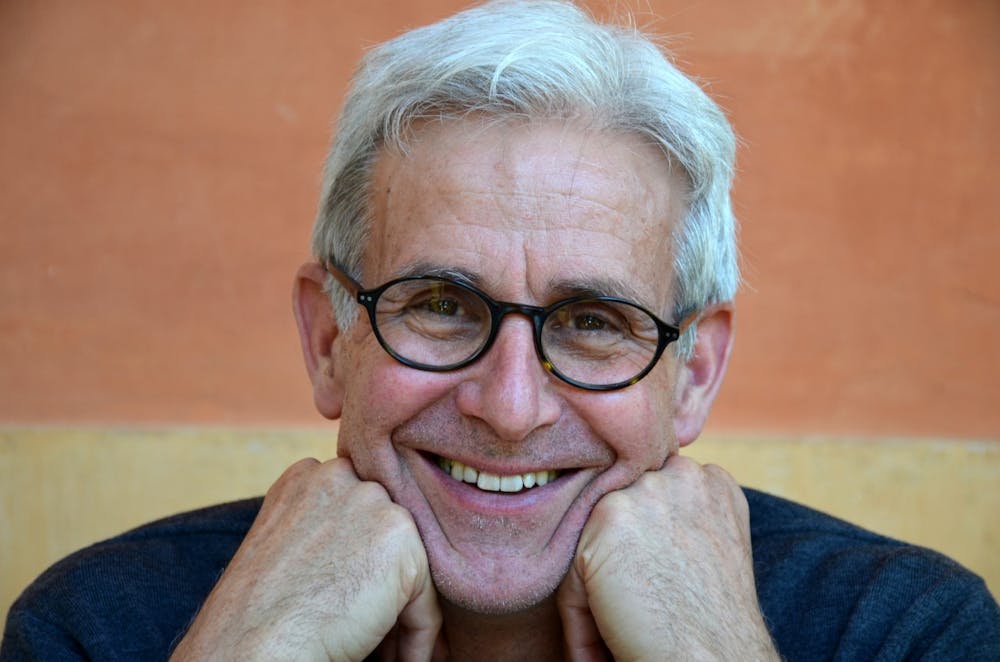 Nick Jose.
Roberto Finocchiaro/Giramondo
Read more:
Hipster bikes and the talking cure: Philip Salom's loveable losers provide a glimpse of an islanded generation
The Idealist does not shy away from the problem of Australia’s motives. Indeed, a bibliography of sources and further reading is appended to the novel for the interested reader. Yet, while the question of Australia’s role is never fully answered, it is this uncertainty that drives the novel’s plot and provides the basic moral framework for the action.
Australia was deservedly commended for its role in securing East Timor’s independence. In the wake of Suharto’s downfall, the Howard government lobbied the new Indonesian leadership to hold a referendum to determine the people of East Timor’s preference. Prime Minister John Howard wrote directly to Suharto’s successor, President B.J. Habibie, proposing this as a way forward. The speed with which the suggestion was taken up came as something of a surprise to Australia.
Australia’s support for East Timorese independence was a dramatic change of position, reversing a quarter of a century of acquiescence to the violent seizure of the former Portuguese colony. The novel paints a picture of an Australian military and foreign affairs culture that had been more than happy with the status quo. Jake’s reports of abuses being committed in East Timor are generally minimised and recast within the preferred Indonesian narrative of domestic tensions.
The motives for the policy U-turn were no doubt complex, and the novel canvases a number of them. An important element was Australia’s interest in the subsea oil and gas reserves of the Timor Gap. Indeed, the persistence of East Timor in Australian consciousness is partly driven by the ongoing negotiations between the two nations regarding the ownership of this resource. The revelation that in 2004 Australia planted listening devices in the offices of East Timorese negotiators has led to a protracted dispute and the criminal prosecution of the Australian intelligence officer, known as Witness K, who blew the whistle.
Nick Jose.
Roberto Finocchiaro/Giramondo
Read more:
Hipster bikes and the talking cure: Philip Salom's loveable losers provide a glimpse of an islanded generation
The Idealist does not shy away from the problem of Australia’s motives. Indeed, a bibliography of sources and further reading is appended to the novel for the interested reader. Yet, while the question of Australia’s role is never fully answered, it is this uncertainty that drives the novel’s plot and provides the basic moral framework for the action.
Australia was deservedly commended for its role in securing East Timor’s independence. In the wake of Suharto’s downfall, the Howard government lobbied the new Indonesian leadership to hold a referendum to determine the people of East Timor’s preference. Prime Minister John Howard wrote directly to Suharto’s successor, President B.J. Habibie, proposing this as a way forward. The speed with which the suggestion was taken up came as something of a surprise to Australia.
Australia’s support for East Timorese independence was a dramatic change of position, reversing a quarter of a century of acquiescence to the violent seizure of the former Portuguese colony. The novel paints a picture of an Australian military and foreign affairs culture that had been more than happy with the status quo. Jake’s reports of abuses being committed in East Timor are generally minimised and recast within the preferred Indonesian narrative of domestic tensions.
The motives for the policy U-turn were no doubt complex, and the novel canvases a number of them. An important element was Australia’s interest in the subsea oil and gas reserves of the Timor Gap. Indeed, the persistence of East Timor in Australian consciousness is partly driven by the ongoing negotiations between the two nations regarding the ownership of this resource. The revelation that in 2004 Australia planted listening devices in the offices of East Timorese negotiators has led to a protracted dispute and the criminal prosecution of the Australian intelligence officer, known as Witness K, who blew the whistle.
 East Timorese outside a polling station in Dili waiting to vote in a United Nations sponsored election, Aug 30, 1999.
David Longstreath/AAP
The hard line Australia took in these negotiations with its tiny, impoverished neighbour sits uneasily with its support for independence. Why would Australia fight for East Timor’s political independence, then act so strongly against its economic independence? It lends some support to the suspicion that the oil and gas field was always in Australia’s sights and determining its policy stance.
In The Idealist, the significance of the energy asset in the Timor Gap becomes one of the sinister backdrops to what seems to be a story of liberation. Jose has spent time as a diplomat. He knows the language and psychology of these circles. He has written an intelligent and compelling political novel that draws its sensibility from the Cold War and has some of the stern elegance of John Le Carré. The Idealist captures the interplay of masculine rivalry and ambivalent patronage, animated by the peculiar eros that goes with work in “the field”, which seduces Jake and sends him on his fatal course.
The importance of ideals is one of the book’s key themes; it is what stops the geopolitics from remaining at the level of the Great Game. It is uncertain whether Jake’s ideals are ever clear to him. But in the end this is not quite as important as his intuition that decisions made by those in power can have dramatic effects on the lives of ordinary people.
Authors: Tony Hughes-d'Aeth, Professor, Chair of Australian Literature, The University of Western Australia
East Timorese outside a polling station in Dili waiting to vote in a United Nations sponsored election, Aug 30, 1999.
David Longstreath/AAP
The hard line Australia took in these negotiations with its tiny, impoverished neighbour sits uneasily with its support for independence. Why would Australia fight for East Timor’s political independence, then act so strongly against its economic independence? It lends some support to the suspicion that the oil and gas field was always in Australia’s sights and determining its policy stance.
In The Idealist, the significance of the energy asset in the Timor Gap becomes one of the sinister backdrops to what seems to be a story of liberation. Jose has spent time as a diplomat. He knows the language and psychology of these circles. He has written an intelligent and compelling political novel that draws its sensibility from the Cold War and has some of the stern elegance of John Le Carré. The Idealist captures the interplay of masculine rivalry and ambivalent patronage, animated by the peculiar eros that goes with work in “the field”, which seduces Jake and sends him on his fatal course.
The importance of ideals is one of the book’s key themes; it is what stops the geopolitics from remaining at the level of the Great Game. It is uncertain whether Jake’s ideals are ever clear to him. But in the end this is not quite as important as his intuition that decisions made by those in power can have dramatic effects on the lives of ordinary people.
Authors: Tony Hughes-d'Aeth, Professor, Chair of Australian Literature, The University of Western Australia 

















