

Sleep apnoea can be scary. But here's what happened when First Nations people had a say in their own care
- Written by: Yaqoot Fatima, Associate Professor, UQ Poche Centre for Indigenous Health, The University of Queensland
Obstructive sleep apnoea is about twice as common in First Nations people compared with non-Indigenous Australians.
But the truth is, this sleep-related respiratory disorder is significantly under-reported in First Nations communities.
A Let’s Yarn About Sleep program in Queensland hopes to change that, by acknowledging the importance of sleep not just to physical and mental health, but to spiritual health. The program uses traditional knowledge as a key part of its culturally responsive model of care.
Read more: The first sleep health program for First Nations adolescents could change lives
What is obstructive sleep apnoea?
In obstructive sleep apnoea the upper airway is repeatedly wholly or partially blocked during sleep, resulting in lower blood oxygen levels. The sudden drop in blood oxygen levels, and the body’s frequent waking to restart breathing, affects sleep. These also strain the heart and blood vessels.
People with sleep apnoea often wake up feeling unrefreshed and experience significant daytime sleepiness. Sleep apnoea also increases the risk of obesity, heart disease, cognitive problems, poor mental health, productivity loss and driving accidents.
We suspect there are significantly more cases in First Nations communities than currently reported. That’s partly because the proportion of First Nations people over 50 has grown in recent years and obesity is more common in this population. Both obesity and increased age are risk factors for sleep apnoea.
Another reason why we suspect sleep apnoea is under-reported is the lack of specialist sleep services in rural and remote areas. Long wait times, plus logistical and financial challenges in accessing services not available locally, means people are not being assessed, diagnosed and treated.
Read more: Health Check: is snoring anything to worry about?
A growing awareness
So community members have advocated for expanding the existing Let’s Yarn About Sleep program – which was originally set up to manage sleep problems in First Nations teenagers – to cater for people with sleep apnoea.
This builds on insights from community yarns about the impact of poor sleep. These highlighted that dreaming in First Nations culture is considered an important opportunity to connect with ancestors, Country and cultural knowledge. So, poor sleep, through its impact on dreaming, also affects spiritual health.
Let’s Yarn About Sleep project coordinator and Kalkadoon woman Roslyn Von Senden says:
Dreams are an important part of our life, a medium to connect with our ancestors to be guided, foresee things, connect with others, and get inspiration and ideas to express our artistic talent. Sleep loss deprives us of opportunities to connect with our culture, our ancestors and who we are as traditional custodians of the world’s oldest surviving culture. That leads to poor emotional and mental health, affects our wellbeing and results in chronic conditions.
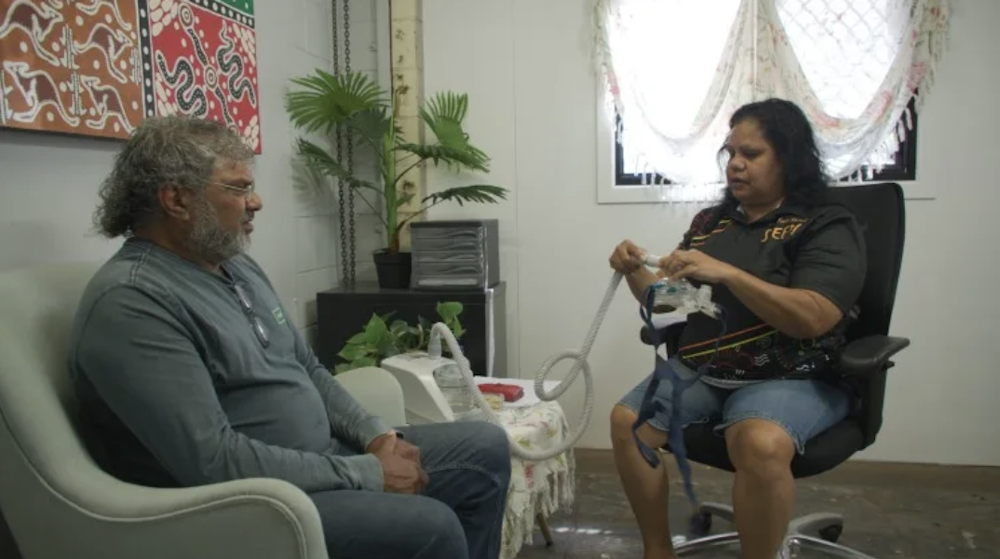
The program’s yarn with community members also highlighted the lack of culturally secure services, low awareness of sleep apnoea treatment options and stigma in accessing services as the key contributors to high rates of undiagnosed/untreated sleep apnoea in First Nations communities.
Uncle Neil Dunne, a Pitta Pitta man, who has sleep apnoea and was a member of the program’s community steering group, says:
Sleep apnoea is very common in our community, but many of our mob don’t get tested. There is still shame in talking about sleep apnoea. Not many people know what it means and how it affects our health. I was tested for sleep apnoea, and the doctor told me I stopped breathing 13 times [per hour] in my sleep. This is scary. It is important to educate our community on how we can get help and why it is important to get help for sleep apnoea.
Read more: My snoring is waking up my partner. Apart from a CPAP machine, what are the options?
So what does the program look like?
The idea was to design a culturally responsive model for local diagnosis and management of, and education about, obstructive sleep apnoea in First Nations communities.
This has involved consultation with 12 First Nations communities, and training Aboriginal health workers and nurses to deliver the program.
The Aboriginal health workers will educate community members about symptoms of sleep apnoea, its health impacts and pathways to seek clinical care. They’ll also screen for sleep apnoea in the community and start the referral process so people can be treated by GPs and nurses via their local community health service or Aboriginal medical service.
The program uses standard treatments for sleep apnoea, such as continuous positive airway pressure therapy, known as a CPAP machine. This includes a mask you wear at night to help open up your airway and help you breathe while sleeping.
But community Elders also guide the team to integrate cultural practices.
For example, the team will include didgeridoo sessions for men as part of the program. This Aboriginal musical instrument is not only an important part of cultural ceremonies, playing the didgeridoo reduces the severity of sleep apnoea. It strengthens the muscles of the throat and the back of the tongue (key muscles associated with sleep apnoea).
Cultural protocols don’t support offering didgeridoo sessions for women. So we will seek guidance from community members to decide which other wind instruments can be used for women.
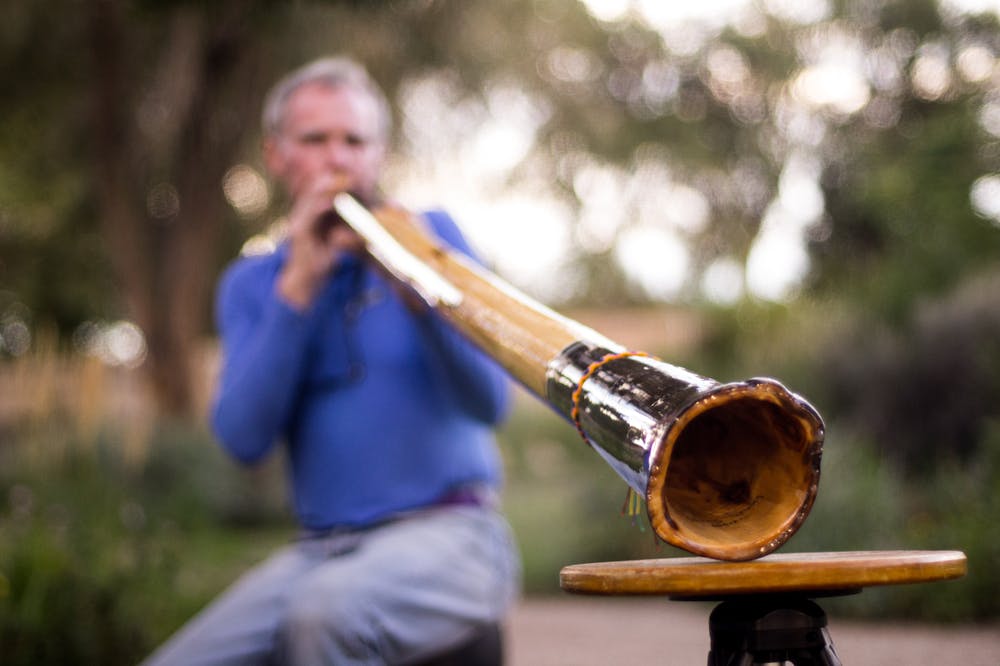 Playing the didgeridoo will be part of therapy.
Erich Haubrich/Shutterstock
Playing the didgeridoo will be part of therapy.
Erich Haubrich/Shutterstock
Read more: Friday essay: the remarkable yidaki (and no, it's not a 'didge')
Locally-led, culturally responsive
It’s early days for us to see any results from the program. But it shows we can develop locally led and culturally responsive models of care.
By co-designing with community members, integrating cultural knowledge into how we manage sleep apnoea, and building the First Nations sleep health workforce, the program aims to transform diagnosis and management for First Nations peoples.
Timothy Skinner, Professor of Health Psychology, La Trobe University, co-authored this article.
Authors: Yaqoot Fatima, Associate Professor, UQ Poche Centre for Indigenous Health, The University of Queensland


















