

'Rights of nature' are being recognised overseas. In Australia, local leadership gives cause for optimism
- Written by: Alexandra McEwan, Lecturer: Law, CQUniversity Australia
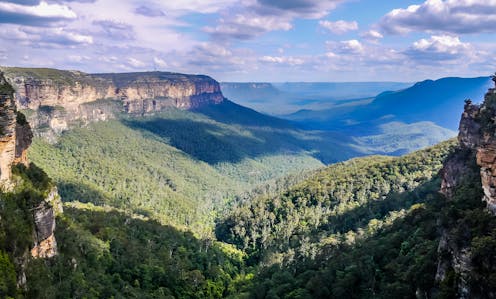
As each day passes, the need to protect Australia’s environment grows more urgent. As noted in the most recent State of Environment Report in 2021, we are increasingly turning to “measures of last resort” to prevent species extinctions and the collapse of ecosystems.
In legal theory, the “rights of nature” acknowledges all Earth’s natural elements as having an inherent right to exist and flourish.
Developments towards recognition of the rights of nature have attracted international attention. In some countries, they have come about through legislative reform, constitutional amendment and the courts.
In Australia, federal, state and territory parliaments have not shown much appetite for introducing the rights of nature principle into legislation. The Murray-Darling River System (Rights of Nature) Bill 2021 in New South Wales and the Rights of Nature and Future Generations Bill 2019 in Western Australia raised the possibility, but did not progress. One exception is Victoria, where a law protecting the Yarra river and its First Nations custodianship was passed in 2017.
Around the globe, lawyers and policy makers have been engaged in finding ways the law can contribute to the protection of ecosystems. Conferring ecosystems with rights is one strategy we can use to prevent species extinctions and ensure a “voice” for nature.
Read more: Three rivers are now legally people – but that's just the start of looking after them
Rivers as legal persons
Central to these efforts has been realising the rights of nature based on legal personhood, which confers entitlements and duties on an entity. There are benefits, complexities and risks involved in this approach.
Indeed, the use of legal personhood as a mechanism to give natural entities like rivers or wetlands rights has been criticised from a First Nations perspective.
At a time when we are seeing threats to the environment turn into catastrophes with alarming frequency, the law can be an inflexible tool and slow to respond.
In Australia, the rights of nature idea is emerging in social and political debate. Ultimately, the success of the rights of nature vision depends on effective broad legal frameworks combined with local action.
Sometimes, we can overlook the significant role local-level reform can play. So it is encouraging to see communities and councils leading the way.
The rights of nature principle provides a framework a local community can use when wanting to show its respect for nature and ensure due care for the local ecosystem.
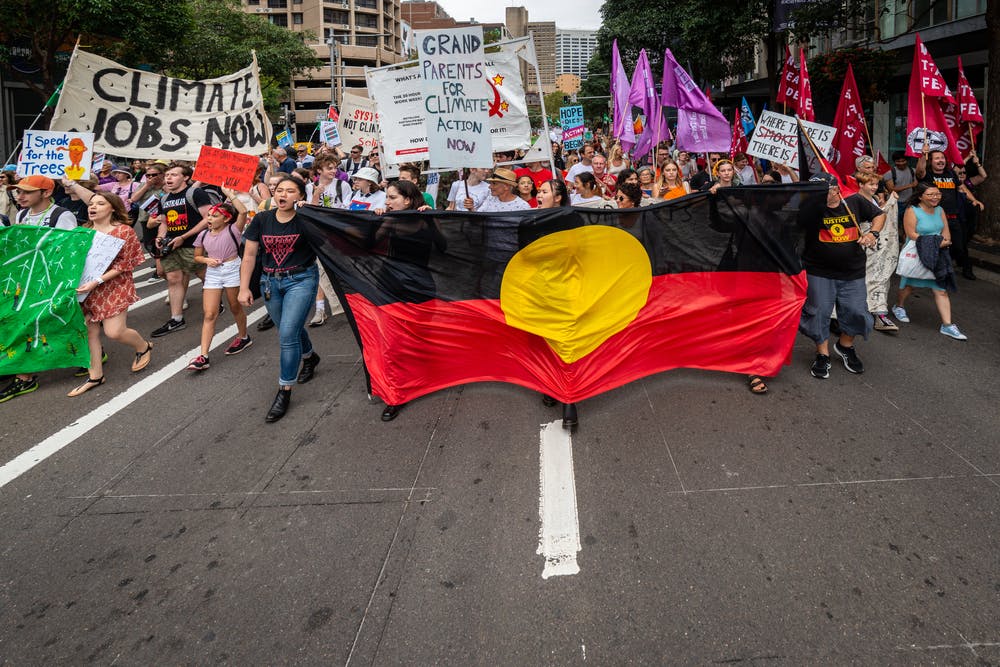
Two examples of local governance
Two examples of such local leadership are the Blue Mountains City Council in NSW and the Shire of Augusta Margaret River local government area in WA.
In 2021, the Blue Mountains City Council received a Center for Democratic and Environmental Rights Local Recognition Award for its commitment to embedding rights of nature principles into its operations. The rights of nature principle is reflected in the Blue Mountains Community Strategic Plan 2035: “natural environment is valued for its intrinsic nature and role in maintaining all forms of life”.
In rights talk, “intrinsic value” means that a thing or being has value “in itself”, or “for its own sake”.
For example, a tree has intrinsic value for its own sake because it is a living thing and the tree’s life has value in and of itself. The tree’s value is not based on how it can be used by humans.
With some exceptions, Western philosophers have confined intrinsic value to human beings alone. The same notion permeates the law. Yet recognising the intrinsic value of other species and our broader environment is a pathway to ethical reflection and has the potential to transform our perspective.
In Western Australia, following community advocacy, the Shire of Augusta Margaret River has also shown leadership in this regard. Among other things, the shire’s May 2023 Overarching Sustainability Policy requires due regard for “the needs, rights and wisdom of Traditional Custodians” and “the rights of nature to exist, thrive and evolve”.
Read more: How Traditional Owners and officials came together to protect a stunning stretch of WA coast
Caring for Country
We believe these local examples give cause for optimism and a source of “slow hope”. And First Nations leadership sits at the heart of these developments. Community-led approaches are key to caring for Country, something that’s also noted in the latest State of the Environment report.
Best-practice local policy development can actively enable caring for Country and integrate it into the regulatory conversations that inform the operational plans of councils.
For the CSIRO First Nations Australian Peoples led research initiative Our Knowledge, Our Way, connection to Country is a cultural must. For First Nations peoples, Country already has “rights”: to be cared for, respected and listened to. This is a relationship that arises organically and is entwined in the experience of being human.
From a Western perspective, enshrining rights of nature thinking in environmental stewardship at all levels of society is something environmental ethicists describe as essential.
Local communities can draw upon these two convergent lines of thinking to inform culturally sensitive collaboration. While higher levels of government are yet to introduce the principle of rights of nature into legislation, leadership at local levels is showing us it can be done. State and federal governments should take note.
Authors: Alexandra McEwan, Lecturer: Law, CQUniversity Australia


















