

what’s behind the rise in personalised products?
- Written by: Marian Makkar, Senior Lecturer in Marketing, RMIT University
Customised shoes, personalised drinks and specialised menu offerings. In a world where carbon copies of products are everywhere, retailers have to make their products stand out and provide customers with a unique purchasing experience.
The need to be different is even greater at a time consumers are being careful about what they spend. Businesses have to work harder as they compete for the all-important dollar so price wars between retailers are common.
Personalisation, through bespoke products and personalised services has been listed by international business magazine Forbes as one of the ten biggest business trends for 2024.
It’s clear - and has been for years - personalisation appeals to consumers who want to feel cared for and understood by their favourite brands. In fact, consumers are willing to pay more for the experience.
How businesses learn what consumers want
Companies are increasingly using what marketers call personalisation at scale by analysing large amounts of data about individuals to deliver products tailored to their specific needs, behaviours and preferences.
This historical and real-time data is gleaned from consumers’ online purchasing and browsing behaviour, use of mobile apps, internet searches, online shopping carts and brand loyalty cards.
E-commerce retailer Amazon personalises product recommendations based on consumers’ browsing and purchase history, offering them the same or variations of goods they have bought or at least looked at.
Similarly, entertainment streaming platforms Netflix and Spotify analyse their users’ viewing and listening history to understand their preferences and recommend new content.
Coffee giant Starbucks communicates with its loyal members via games in their mobile app and rewards loyalists with specialised offers and exclusive product trials. The games are personalised to each customer based on the data gathered from their past visits and interactions with the app.
Read more: Personalised learning is billed as the 'future' of schooling: what is it and could it work?
Coke’s Share-a-Coke campaign, unveiled in Australia in 2011, was a successful example of the bond brands can create with consumers just by adding a person’s name to the product.
The company branded its bottles and cans with the 150 most popular names in Australia and urged consumers to share a Coke with someone whose name adorned the label. The list of names later expanded.
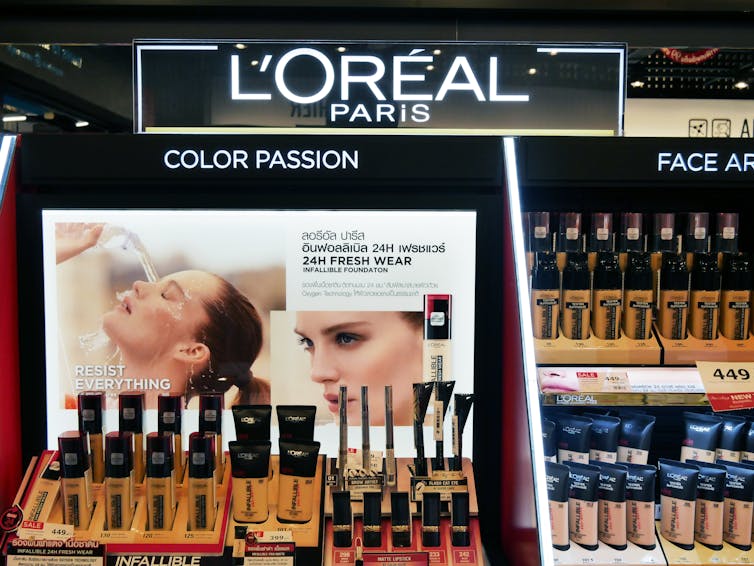
L’Oreal’s most recent innovation is their in-store technology that digitally scans each customer’s skin. The data obtained is used to produce a customised foundation (from 72,000 possible combinations) to match an individual’s shade, level of hydration and coverage required.

Nike produces custom shoes in thousands of styles, colours and icon combinations as they continue to acquire data integration platforms that help speed up the collection and analysis of consumer data.
Consumers want more from their shopping experience
In pre-digital times, personalisation was based on broad demographics and direct feedback from customers. It often resulted in personalised store interactions between salespeople and VIP customers, or tailoring store services. Personalisation was only affordable to high-net-worth individuals.
But the digital age has made personalisation accessible to all consumers, not just the high end. Today’s shoppers expect unique experiences and will vote with their dollar. This is backed by research showing personalised experiences drive company sales.
Read more: We are closer than ever to being able to 3D print medicines. Here's why that's important
The COVID-19 pandemic only made personalisation more urgent for companies as consumers switched to new stores, products, or buying methods, proving brand loyalty was a thing of the past.
Consumers now expect more value from brands. They want to feel recognised and understood on an individual level and not part of the crowd. Personalisation at-scale allows consumers to feel empowered with their choices. This feeling of psychological ownership results from designing your “own” product and can lead to greater value and brand love.
Why personalisation works for the big brands
Personalisation at scale offers companies many advantages. It can reduce customer acquisition costs and increase revenues. Personalising experiences, when offered to millions of customers, make it difficult for competitors to imitate, especially when brands use proprietary technology.
Personalisation also means less waste as brands produce what consumers actually want rather than what they think consumers want. After all, consumers who find products unique to them are less likely to part with what they believe is their own creation.
 Starbuck’s gathers information about its customers’ preferences through its app.
Robert Way/Shutterstock
Starbuck’s gathers information about its customers’ preferences through its app.
Robert Way/Shutterstock
However, using predictive algorithms to help brands analyse past behaviours (what you and others like you have bought/watched) and come up with choices (at scale) can be imperfect.
Dating app Tinder’s reliance on algorithms to decide which photos users see has been criticised as flawed with very low reciprocal interest rates between users “swiping right”. Understanding human behaviour requires intuition alongside algorithms.
If personalisation isn’t new, then why the sudden hype?
Brands are rapidly embracing digital disruption. The digital revolution brought an influx of consumer data, but despite early algorithms, it was difficult for companies to make sense of large amounts of raw data.
Artificial Intelligence (AI) and machine learning have revolutionised this by enabling brands to use AI-driven methods to understand their consumers and offer tailored content. In turn, consumers get to contribute to their product’s design.
Big brands like Nike and L’Oreal have the right formula for personalisation and their customers are enjoying a unique experience. This is good news for big brands with large budgets and access to data, but less so for smaller brands with fewer resources trying to compete for the customer’s attention.
With the growth of AI technology, we will start seeing open-source software with publicly accessible data that allows even the smallest brands access and know-how to make every experience bespoke.
Authors: Marian Makkar, Senior Lecturer in Marketing, RMIT University


















