

We discovered two new Australian native mammals – the first of their kind this century
- Written by: Emily Roycroft, Postdoctoral Research Fellow, Australian National University
Australia can lay claim to two new native mammal species, discovered as part of our collaborative research published today in the journal Molecular Ecology.
Australia has some of the most unique biodiversity in the world, and our native mammals are particularly well known. For many, the iconic marsupials might be the first that come to mind – but we also boast an impressive and fascinating diversity of native rodents.
Unlike the invasive pests introduced since European colonisation, native rodents have been evolving in Australia for around five million years. With over 150 species in Australia and New Guinea found nowhere else in the world, there’s a lot to love about our native rats and mice.
Our new research adds two more species to this list, and, like many of Australia’s recently described mammals, they’ve been hiding in plain sight.
Hiding in plain sight
The two new species belong to a group of very small and aptly named Australian rodents: the delicate mice.
These dainty creatures differ from the invasive pests you might come across in your home or backyard. With adults weighing as little as six grams, they are typically smaller, and are a crucial part of Australia’s natural environment and ecosystems.
Prior to our discovery, the namesake of the group, the delicate mouse or Molinipi (Pseudomys delicatulus) was thought to be a single species spanning a massive stretch of the country – from the Pilbara in Western Australia, across parts of the Northern Territory and through Queensland down to the New South Wales border.
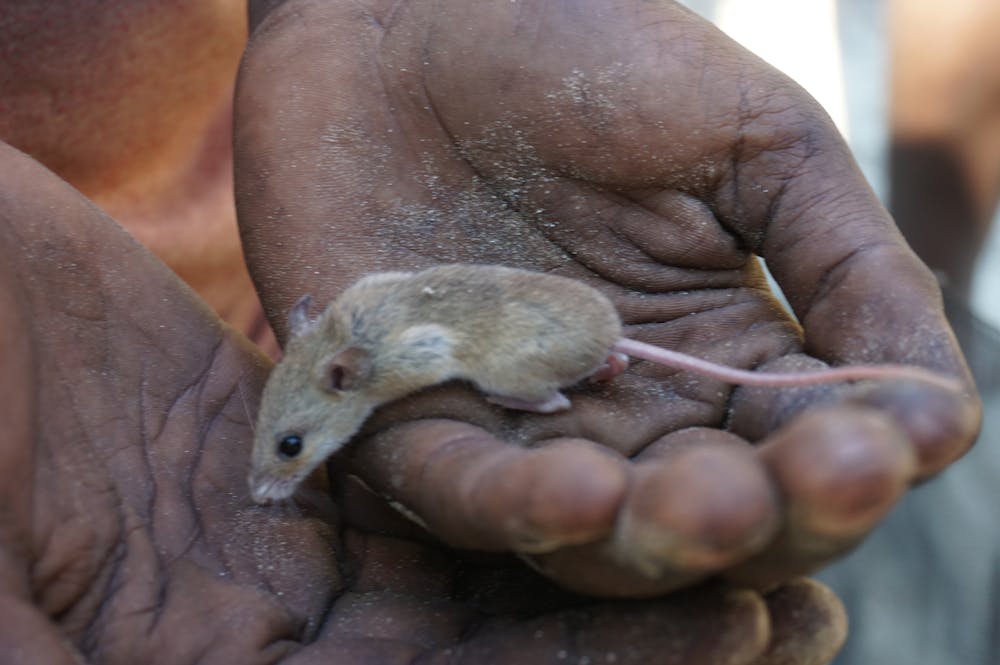
However, our team has now confirmed the delicate mouse is three species, not one.
We discovered this using genomic sequencing of delicate mice from across the country, combined with data on reproductive traits and high-resolution computed tomography (CT) scans.
The three species are genetically distinct. Their sperm and chromosomes also aren’t compatible, which likely prevents them from interbreeding.
Despite this, they do look quite similar to each other – which is why these two additional delicate mouse species have remained undiscovered until now.
New names for cryptic species
One of these mice gets to keep its original scientific name, so Pseudomys delicatulus now refers to the “northern delicate mouse”. The other species needed their own names.
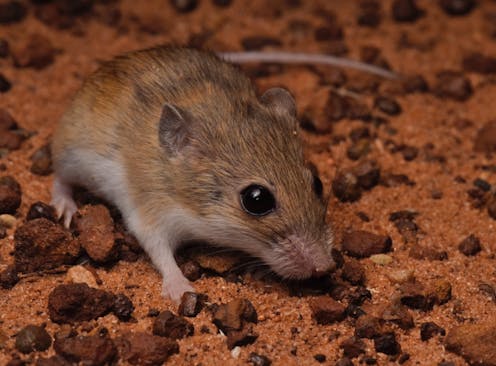
The new “western delicate mouse” (Pseudomys pilbarensis) or Kalunyja in the Kariyarra language, occurs mainly in Western Australia, including the Pilbara, Great Sandy Desert and southern Kimberley regions.
The “eastern delicate mouse” (Pseudomys mimulus) or Kalla, in the Wik-Mungkan language, occurs through eastern Queensland and northern New South Wales, around Mount Isa in western Queensland, and on Groote Eylandt.
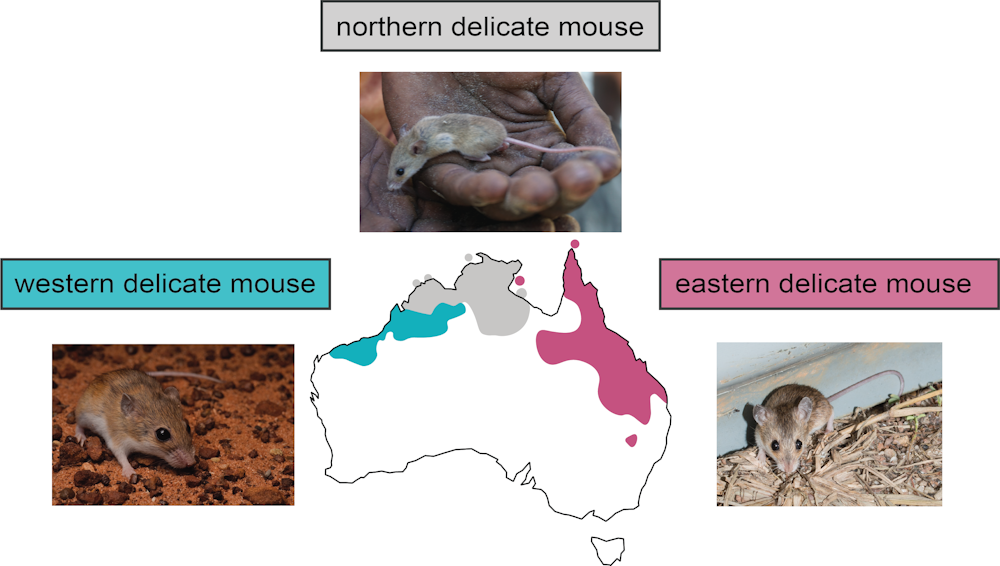 Where Australia’s newest mammals live.
Emily Roycroft, with photos by Ian Bool, Yugul Mangi Rangers and Justin Wright
Where Australia’s newest mammals live.
Emily Roycroft, with photos by Ian Bool, Yugul Mangi Rangers and Justin Wright
The western delicate mouse is the first new Pseudomys described this century. While we know a lot about Australia’s native mammals, there is still more to uncover. This discovery follows the description of two very tiny new marsupials last year, along with a host of other new marsupials and bats described since 2000.
By giving these species their own names, we’re taking the first step toward ensuring they’re given the right conservation attention.
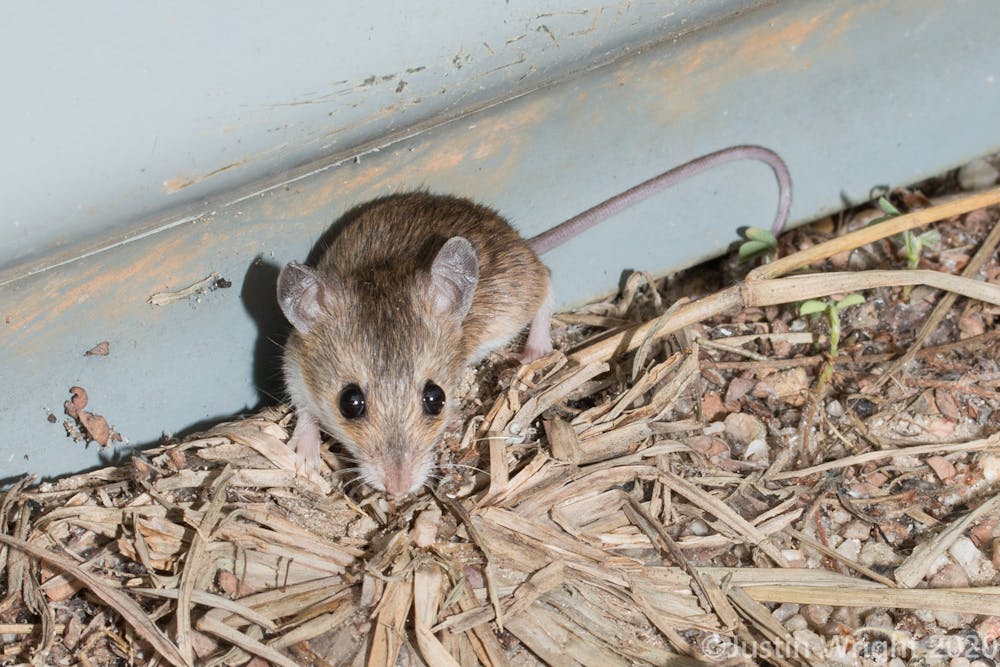 The newly re-classified eastern delicate mouse (Pseudomys mimulus) is found through eastern Queensland and northern New South Wales, around Mount Isa, and on Groote Eylandt.
Justin Wright
The newly re-classified eastern delicate mouse (Pseudomys mimulus) is found through eastern Queensland and northern New South Wales, around Mount Isa, and on Groote Eylandt.
Justin Wright
Conserving our iconic native mammals
Native rodents are one of our most threatened mammal groups and have been disproportionately impacted by extinction since European colonisation of Australia began in 1788.
Recognising Australia’s mammals under official taxonomic names is crucial to ensure they can be assessed and prioritised for conservation listing and funding.
The northern delicate mouse has not previously been a conservation priority – but that might be because it was thought to have a distribution three times larger than it actually does. The western and eastern delicate mice haven’t had any conservation or research attention, because we didn’t know they were unique species.
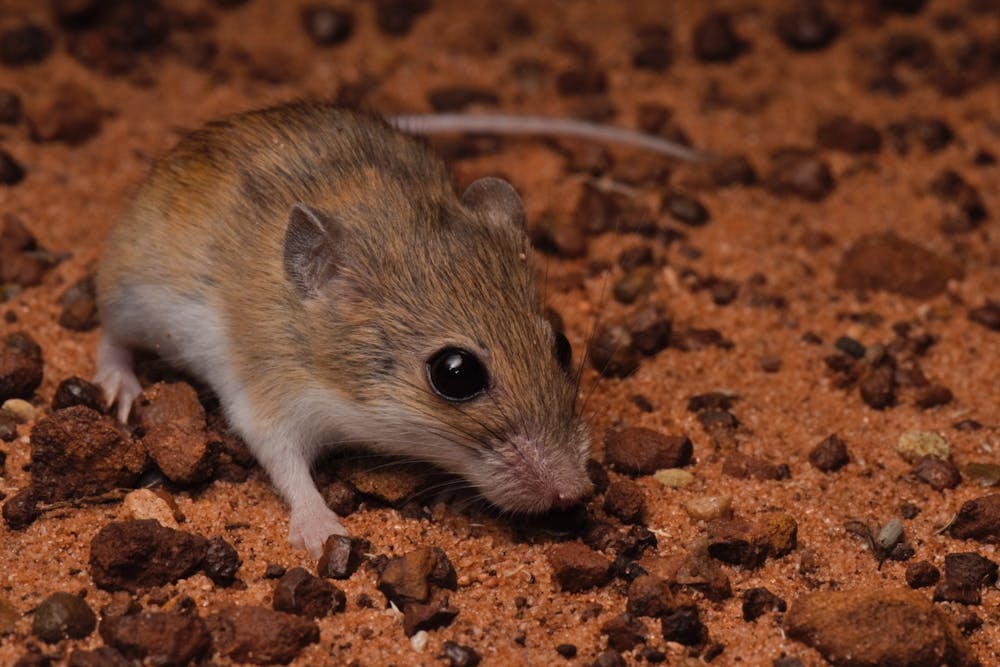 The newly described western delicate mouse (Pseudomys pilbarensis) is found in the Pilbara and Great Sandy Desert of WA, and through the southern Kimberley region.
Ian Bool
The newly described western delicate mouse (Pseudomys pilbarensis) is found in the Pilbara and Great Sandy Desert of WA, and through the southern Kimberley region.
Ian Bool
As part of our research, we also showed how species in the delicate mouse group are specialised to unique Australian environments: from the arid central deserts to the northern monsoonal tropics. Given their habitat specialisations, models in our research suggest that up to 95% of current delicate mouse habitat may become unsuitable by the year 2100 under a moderate future warming scenario.
Combined with more immediate threats – predation by feral cats, habitat clearing and introduced diseases – the delicate mice may be more at risk that we previously thought.
Our discovery is significant for the future of the tiny mice, with their new names already endorsed by the Australasian Mammal Taxonomy Consortium. Recognition in government legislation is to follow.
This will allow us to reassess the conservation status of the three species, to determine what action is needed to protect them into the future.
Authors: Emily Roycroft, Postdoctoral Research Fellow, Australian National University


















