

‘Naked carbs’ and ‘net carbs’ – what are they and should you count them?
- Written by: Saman Khalesi, Senior Lecturer and Discipline Lead in Nutrition, School of Health, Medical and Applied Sciences, CQUniversity Australia

According to social media, carbs come in various guises: naked carbs, net carbs, complex carbs and more.
You might be wondering what these terms mean or if all carbs are really the same. If you are into “carb counting” or “cutting carbs”, it’s important to make informed decisions about what you eat.
Read more: Stop hating on pasta – it actually has a healthy ratio of carbs, protein and fat
What are carbs?
Carbohydrates, or “carbs” for short, are one of the main sources of energy we need for brain function, muscle movement, digestion and pretty much everything our bodies do.
There are two classifications of carbs, simple and complex. Simple carbs have one or two sugar molecules, while complex carbs are three or more sugar molecules joined together. For example, table sugar is a simple carb, but starch in potatoes is a complex carb.
All carbs need to be broken down into individual molecules by our digestive enzymes to be absorbed. Digestion of complex carbs is a much slower process than simple carbs, leading to a more gradual blood sugar increase.
Fibre is also considered a complex carb, but it has a structure our body is not capable of digesting. This means we don’t absorb it, but it helps with the movement of our stool and prevents constipation. Our good gut bacteria also love fibre as they can digest it and use it for energy – important for a healthy gut.
What about ‘naked carbs’?
“Naked carbs” is a popular term usually used to refer to foods that are mostly simple carbs, without fibre or accompanying protein or fat. White bread, sugary drinks, jams, sweets, white rice, white flour, crackers and fruit juice are examples of these foods. Ultra-processed foods, where the grains are stripped of their outer layers (including fibre and most nutrients) leaving “refined carbs”, also fall into this category.
One of the problems with naked carbs or refined carbs is they digest and absorb quickly, causing an immediate rise in blood sugar. This is followed by a rapid spike in insulin (a hormone that signals cells to remove sugar from blood) and then a drop in blood sugar. This can lead to hunger and cravings – a vicious cycle that only gets worse with eating more of the same foods.
Read more: I want to eat healthily. So why do I crave sugar, salt and carbs?

What about ‘net carbs’?
This is another popular term tossed around in dieting discussions. Net carbs refer to the part of the carb food that we actually absorb.
Again, fibre is not easily digestible. And some carb-rich foods contain sugar alcohols, such as sweeteners (like xylitol and sorbitol) that have limited absorption and little to no effect on blood sugar. Deducting the value of fibre and sugar alcohols from the total carbohydrate content of a food gives what’s considered its net carb value.
For example, canned pear in juice has around 12.3g of “total carbohydrates” per 100g, including 1.7g carb + 1.7g fibre + 1.9g sugar alcohol. So its net carb is 12.3g – 1.7g – 1.9g = 8.7g. This means 8.7g of the 12.3g total carbs impacts blood sugar.
Does it matter though?
Whether or not you should care about net or naked carbs depends on your dietary preferences, health goals, food accessibility and overall nutritional needs. Generally speaking, we should try to limit our consumption of simple and refined carbs.
The latest World Health Organization guidelines recommend our carbohydrate intake should ideally come primarily from whole grains, vegetables, fruits and pulses, which are rich in complex carbs and fibre. This can have significant health benefits (to regulate hunger, improve cholesterol or help with weight management) and reduce the risk of conditions such as heart disease, obesity and colon cancer.
In moderation, naked carbs aren’t necessarily bad. But pairing them with fats, protein or fibre can slow down the digestion and absorption of sugar. This can help to stabilise blood sugar levels, prevent spikes and crashes and support personal weight management goals. If you’re managing diabetes or insulin resistance, paying attention to the composition of your meals, and the quality of your carbohydrate sources is essential.
A ketogenic (high fat, low carb) diet typically restricts carb intake to between 20 and 50g each day. But this carb amount refers to net carbs – so it is possible to eat more carbs from high-fibre sources.
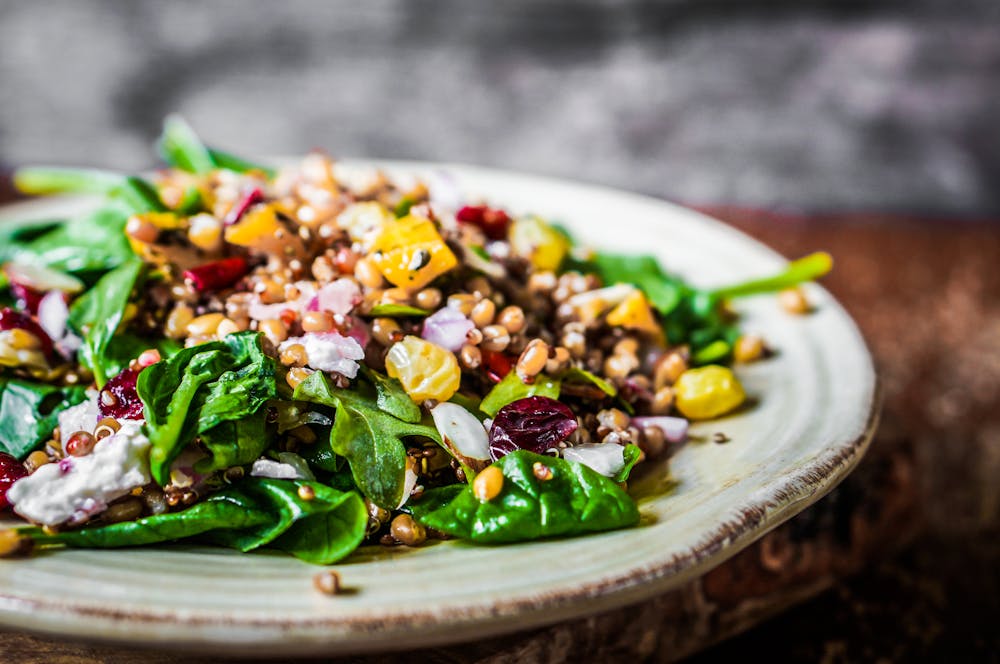 Choose complex carbohydrates with lots of fibre.
Shutterstock
Choose complex carbohydrates with lots of fibre.
Shutterstock
Read more: How much protein do I need as I get older? And do I need supplements to get enough?
Some tips to try
Some simple strategies can help you get the most out of your carb intake:
reduce your intake of naked carbs and foods high in sugar and white flour, such as white bread, table sugar, honey, lollies, maple syrup, jam, and fruit juice
opt for protein- and fibre-rich carbs. These include oats, sweet potatoes, nuts, avocados, beans, whole grains and broccoli
if you are eating naked carbs, dress them up with some protein, fat and fibre. For example, top white bread with a nut butter rather than jam
if you are trying to reduce the carb content in your diet, be wary of any symptoms of low blood glucose, including headaches, nausea, and dizziness
working with a health-care professional such as an accredited practising dietitian or your GP can help develop an individualised diet plan that meets your specific needs and goals.
Authors: Saman Khalesi, Senior Lecturer and Discipline Lead in Nutrition, School of Health, Medical and Applied Sciences, CQUniversity Australia
Read more https://theconversation.com/naked-carbs-and-net-carbs-what-are-they-and-should-you-count-them-223731


















