What is 3-phase power? And how do I know if my house needs it?
- Written by Asma Aziz, Senior Lecturer in Power Engineering, Edith Cowan University
If you’re building, renovating or planning to install a solar battery, your builder or installer might ask whether you’ve considered upgrading from single-phase to three-phase power. This upgrade often comes with a hefty price tag.
So what’s the difference between single-phase and three-phase power, and which one will you need?
Understanding your electricity needs
Each house service connection has a maximum amount of electricity that can be drawn from the grid at any one time before the main fuse blows. The limit varies, according to whether you have single- or three-phase power.
The amount is calculated by multiplying a house’s “amps” and “voltage”.
An “amp” is a unit of electric current. Most houses in Australia with single-phase connections have a standard capacity of 63 amps.
In New South Wales, the standard is 100 amps.
However, some older or rural homes in Australia may still have connections of 32 or 40 amps.
Then there’s voltage, which is the pressure that pushes the current through your wiring to power your house. Current and voltage values are determined by the local distribution network service provider, the company that owns and operates the poles and wires.
Since 2000, the standard voltage in most areas of Australia has been 230 volts. In Western Australia, it’s 240 volts.
Multiplying 240 volts by 63 amps gives you 15,120 watts of power (a watt is a unit of power).
So that means in a home with single-phase power, you can draw about 15,120 watts (or about 15 kilowatts) of power from the grid before the main fuse blows.
But this would probably require using all your appliances at the same time – an unlikely scenario.
Your energy bill can help you understand how much energy you’re using (and you can compare to how much other Australians use). When you see kWh (kilowatt hour) on your monthly energy bill, it’s a measurement of your electric appliances’ wattage and the amount of time you use them.
If you can reduce the amount of energy you need to draw from the grid, you might not need to upgrade to three-phase power at all. Solar panels and a battery can cut your electricity bills, keep the lights on during power outages, and reduce your carbon footprint. Plus, you can store energy for later use, boosting your home’s energy independence.

What’s the difference between single-phase and 3-phase power?
Think of single-phase power as a single-lane road.
It’s perfect for handling regular household appliances such as lights, fridges, washing machines, small air conditioners, small induction cooktops, and regular wall chargers for electric vehicles.
But if too many appliances are running at once, the single-phase circuit in your home can get congested. This can lead to issues such as tripping breakers or flickering lights.
Three-phase power is more like a three-lane highway, with each phase carrying peak power at a different point of time.
It’s designed to handle heavy loads such as a more powerful electric vehicle charger, large multi-zone ducted air conditioning systems, high-end and large induction cooktops and their combinations.
Do you need 3-phase power?
For most households, single-phase power is more than enough to keep everything running smoothly.
Unless you’re running a big property with a large swimming pool, fast-charging your electric car, operating an elevator, cranking up ducted air conditioning, baking in multiple ovens, and powering a high-end kitchen full of gadgets – all at the same time – you probably don’t need to make the switch.
That’s good news, because upgrading to three-phase power can be quite pricey (potentially thousands of dollars).
Equipping every house with three-phase power would be like giving everyone a sports car when a regular car does the job just fine.
Installing three-phase power in every home would make the network infrastructure more expensive to build and maintain. Most homes don’t need that much power, so the extra capacity would go to waste – but everyone would still be paying for maintenance of that larger, underutilised system via higher energy bills.
However, things may be changing
As more homes go all-electric and solar battery systems and electric vehicles become the norm, however, more people will switch to three-phase power.
Three-phase power unlocks incredible charging speeds for electric vehicles (but before you get too excited, make sure your car is equipped to handle that extra juice).
You might think it’s smart to get a much bigger solar panel system than you need, so you can earn extra money from feed-in tariffs by exporting excess energy to the grid. However, single-phase rooftop solar can only feed up to five kilowatts at any point in time in a day to the grid. If your system goes over that, you’ll need special approval to connect it.
Switching to three-phase power can be a great move if you’re looking to install a larger solar system. It lets you harness more energy for your home and potentially send more power back to the grid. It’s worth noting that in Australia, however, the amount of solar power you can export varies by state.
For bigger setups, such as solar systems with batteries that can handle up to 30 kilowatts, three-phase power might be necessary. An electrician will ensure everything stays balanced in your connection.
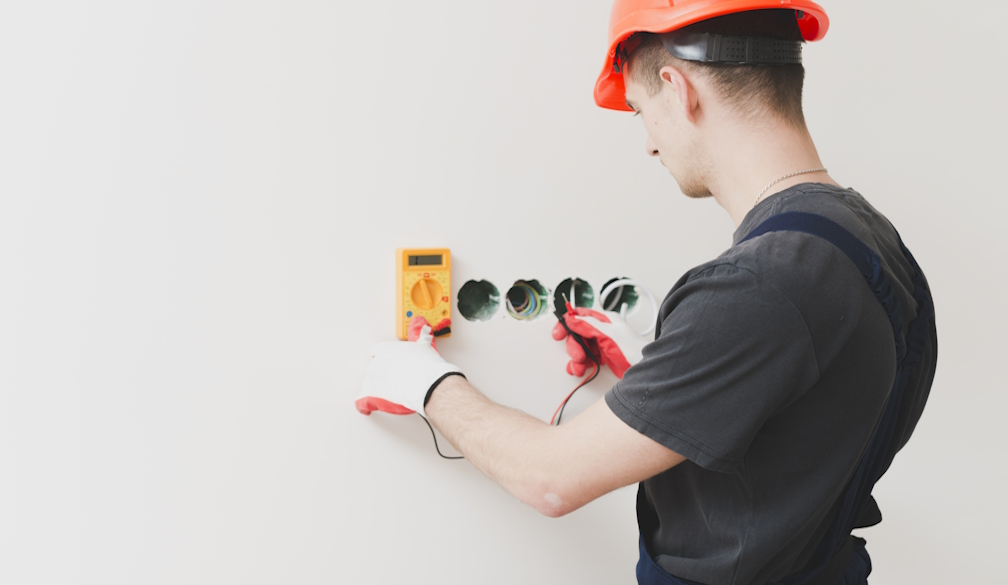
For most of us, the best way to work out whether you need single- or three-phase power is to work out your total electricity use and seek advice from a registered electrical contractor you trust.
Some will calculate how much power you’d need if you were running all the appliances and powered devices in your home at full blast, all at once. But it’s worth questioning whether this scenario would ever actually happen in real life.
No one wants to overspend on something they don’t actually need.
Authors: Asma Aziz, Senior Lecturer in Power Engineering, Edith Cowan University
Read more https://theconversation.com/what-is-3-phase-power-and-how-do-i-know-if-my-house-needs-it-235650