

Want to make sure you don’t swelter in your next home? Check these 12 features before you rent or buy
- Written by: Sarah Robertson, Research Fellow, Centre for Urban Research, RMIT University
Hot on the heels of the warmest spring on record, Australia is baking through another scorching summer. Heatwaves around the country contributed to the second-warmest January on record. Hot, dry, windy weather again swept across the country this week.
Finding a home that stays cool in this heat is a real challenge. Homebuyers and renters face two problems: a shortage of heat-resistant homes, and a lack of reliable, independent information about how homes perform in the heat.
So, how can you avoid buying or renting a “hot box”? Here’s a handy list of 12 features to check next time you’re searching for a place to live.
Ask these 4 questions before you inspect
1. Does the house have insulation? Ceiling, wall and underfloor insulation seals the indoor environment, slowing or preventing heat from leaking in or out.
2. Does it have double-glazed windows? Insulated glass, made from two or more window panes with a space in between, keeps heat out in summer and inside during winter.
3. How big is the house? Australian homes are among the largest in the world. Cooling a large home with air conditioning can be costly. Check the floor plan to see if you can shut doors and close off internal spaces, so you only cool the parts you need during hot spells.
4. Has the house had an energy and thermal performance assessment? The Residential Efficiency Scorecard is delivered by the Victorian government on behalf of all Australian governments. The report, undertaken by an accredited assessor, rates a home’s energy use and comfort, and recommends improvements. Other assessments also exist.

Look for these 8 things during an inspection
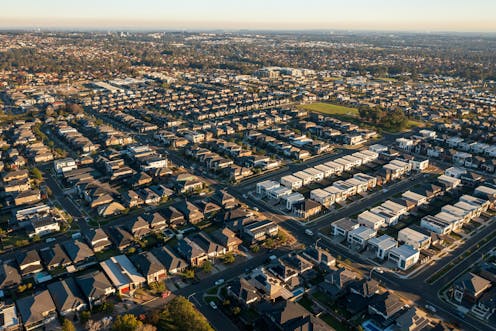
1. Check the colour and nature of external walls, roof and surrounding surfaces. Dark-coloured roofs or walls, and other hard surfaces such as concrete, absorb more heat. This heat builds up during the day and radiates out at night, causing what’s known as the heat island effect.
2. Look at internal floors and surfaces. Brick walls or concrete surfaces inside can be a good thing, if the hot weather doesn’t last too long. That’s because the home will take longer to heat up. But these heavy materials will also take longer to cool down once the heatwave is over. Good ventilation may compensate for that.
3. Consider the size and position of windows and doors. Openings on each side of rooms and the house as a whole allows cooling through natural ventilation. You can open up the house and let the cool air flow from one side to the other during the night, or once the cool change comes. Security doors and fly screens will keep insects and potential intruders out.
4. Is there external shading, such as blinds or greenery? Ensuring windows and walls are shaded on the outside is the best way to keep the heat out, particularly on the west-facing side. Large unshaded glass windows facing north and west can cause the home to heat up in summer. Vertical blinds work well on west-facing windows. On the north side, horizontal shading such as a pergola blocks out the sun in summer – when it is higher in the sky. It also lets the sun in during winter when the sun is lower in the sky, to gently warm the home.
5. Check for ceiling fans. Ceiling fans cool a home and use little energy. Check how many are installed and where they are located. Ceiling fans are ideal in living spaces, but also work well in bedrooms to help you stay comfortable on hot nights.

6. Investigate the air-con. If the house has air-conditioning, ask about its age, and look up its energy rating on energyrating.gov.au.
7. Consider garden spaces. Plants and trees can creating a “microclimate” around your home, keeping it cool. Also look at the landscape beyond the property – a tree-lined street can reduce temperatures and improve thermal comfort during a heatwave.
8. Note the position of the afternoon sun. Visit potential homes during the mid-late afternoon or check the sun’s path through the home – perhaps using a sun tracking app. If air conditioners are turned on, consider what this might mean for energy bills. What would the home feel like without it? Are there other ways to keep the building cool?
For more information about home energy efficiency, visit YourHome, Renew, Scorecard, and read the Cooling your Home report.
Passive Cooling (Your Home)Setting higher standards
Most Australian homes perform poorly when it comes to maintaining a comfortable temperature range indoors. This is particularly true for those built before the 1990s, when minimum energy performance standards were introduced. But these standards set a low bar compared with those overseas.
This, coupled with the absence of requirements for landlords or sellers (except in the ACT) to have the home assessed or declare a rating, means buyers and renters are left in the dark when it comes to making informed choices.
Renters and lower-income households are at greatest risk of living in a home that is too hot or too cold. The private rental stock in Australia is among the poorest, most uncomfortable housing in the Western world.
While the ACT has introduced minimum energy efficiency standards for rental properties, standards across the country contain few provisions that promise improved thermal comfort.
Until the regulatory landscape changes and energy performance must be disclosed, we hope these tips will help you avoid the worst of Australia’s hot boxes.
Authors: Sarah Robertson, Research Fellow, Centre for Urban Research, RMIT University


















