

50 new urgent care clinics are on the cards. But are the existing ones working? Here’s what we know so far
- Written by: Henry Cutler, Professor and Director, Macquarie University Centre for the Health Economy, Macquarie University
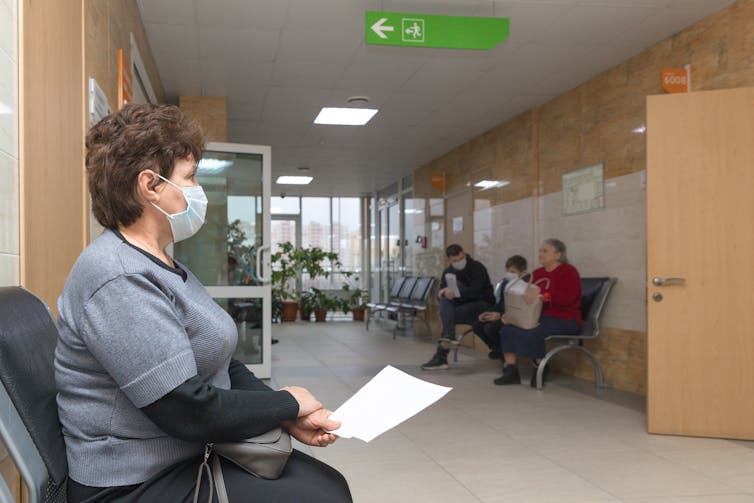
Over the weekend the Australian government announced A$644 million to build an extra 50 Medicare urgent care clinics around Australia. This is on top of nearly $600 million previously committed to establish 87 clinics.
Once these 50 new clinics open in the 2025–26 financial year, the government says four in five Australians will live within a 20 minute drive to a clinic. While this seems like a worthy pursuit, the question is whether they are worth the taxpayer dollar, when we already have GPs and emergency departments.
So what does the evidence say? Are urgent care clinics worth the money?
Remind me, what are urgent care clinics?
Urgent care clinics provide bulk-billed care for urgent but not life-threatening conditions, seven days a week for extended business hours. No appointment is necessary and anyone with a Medicare card can walk in and receive care. You can search online for your closest clinic.
Clinics are staffed by GPs and nurses. They treat people who perhaps don’t want to wait for a GP appointment, attend an emergency department or call healthdirect. Injuries and illnesses treated include minor infections and cuts, minor sports injuries and respiratory illness.
Patients may benefit from urgent care clinics through quicker access to care and lower costs if they would not otherwise be bulk billed.
They don’t however get to see their regular GP, which may reduce the appeal for patients who value continuity of care, such as those with chronic or mental health conditions.
Why were they introduced?
The Australian health-care system faces significant pressures as chronic disease increases, our population ages, and our health-care workforce remains stretched.
Long emergency department waiting times and ambulance ramping (when an emergency department is too full to accept patients delivered by ambulance) are common across Australia.
Meanwhile, access to GP bulk-billing services has declined. The government is trying to address this by paying GPs billions more to reduce costs for patients.
Medicare urgent care clinics were introduced to reduce workload pressure on GPs, take pressure off public hospital emergency departments, and improve access to affordable primary care.
They were first announced by the Labor Party in 2022 when in opposition. Labor wanted to build its reputation as being “Medicare’s guardian”, a theme continued in the lead up to this next federal election.
Is there any evidence they work?
Medicare urgent care clinics were first established less than two years ago. While some states had already introduced these types of clinics, it will take time for Medicare urgent care clinics to embed themselves into the health-care system and for patients to become familiar with them.
Cost and waiting times are significant factors for people choosing between primary care, urgent care clinics and the emergency department.
Around 19% of people visited an emergency department in 2022–23 because the GP was not available when required.
Research suggests many people may have used urgent care clinics to avoid GP co-payments, and many may have used them because waiting times to see a GP were too long.
The Albanese government reported there had been one million visits to urgent care clinics as of December 2024 (about 1.5 years after they first opened). While this may seem impressive, it should be viewed in the context of emergency department presentations. There were 9 million of those in 2023–24.
Direct evidence on whether Medicare urgent care clinics are taking pressure off emergency departments does not yet exist. While research from the United States suggests these types of clinics reduce emergency department presentations, the effects won’t necessarily be the same in Australia.
The amount of time patients spend in emergency departments continues to rise across Australia.
Many patients will still use emergency departments despite access to clinics. Around 40% of emergency department presentations address an ailment that an urgent care clinic may handle, but only 16% of people who attend an emergency department think their care could have been delivered by a GP.
How can we improve their chance of success?
We need targeted public messaging to make sure patients understand how and when to best use urgent care clinics.
If we channel minor injuries and illness after hours into an urgent care clinic, rather than funding multiple after hours general practices to remain open, we could reduce health system costs. That is because the cost per patient will go down as the number of patients treated within a clinic increases.
None of this will work unless we have enough health workers to staff these clinics. Currently there are shortages of GPs and nurses, so urgent care clinics are competing with general practices for their workforce.
These workforce shortages are less than ideal and could increase GP waiting times or reduce the viability of urgent care clinics. The Mount Gambier urgent care clinic recently went into liquidation amid staff shortages.
The government has announced additional funding to train more GPs and nurses. Workforce investment is crucial to meet increasing demands, but will take time.
To the future
The government has committed more than $1 billion to urgent care clinics to date. Understanding whether urgent care clinics substitute for GP or emergency department presentations, or merely provide additional health-care access, is vital to their success. We need comprehensive and long-term evaluations to fully understand the extent to which urgent care clinics meet their objectives.
Authors: Henry Cutler, Professor and Director, Macquarie University Centre for the Health Economy, Macquarie University


















