

Australians want nature protected. These 3 environmental problems should be top of the next government’s to-do list
- Written by: Euan Ritchie, Professor in Wildlife Ecology and Conservation, School of Life & Environmental Sciences, Deakin University
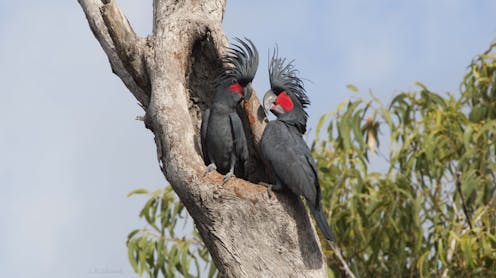
Australia is a place of great natural beauty, home to many species found nowhere else on Earth. But it’s also particularly vulnerable to introduced animals, diseases and weeds. Habitat destruction, pollution and climate change make matters worse. To conserve what’s special, we need far greater care.
Unfortunately, successive federal governments have failed to protect nature. Australia now has more than 2,000 threatened species and “ecological communities” – groups of native species that live together and interact. This threatened list is growing at an alarming rate.
The Albanese government came to power in 2022 promising to reform the nation’s nature laws, following a scathing review of the laws. But it has failed to do so.
If re-elected, Labor has vowed to complete its reforms and introduce a federal Environment Protection Agency, in some other form.
The Coalition has not made such a commitment. Instead, it refers to “genuine conservation”, balancing the environment and the economy. They’ve also promised to cut “green tape” for industry.
But scientific evidence suggests much more is required to protect Australia’s natural wonders.
Fighting invaders
Labor has made a welcome commitment of more than A$100 million to counter “highly pathogenic avian influenza”. This virulent strain of bird flu is likely to kill millions of native birds and other wildlife.
The government also provided much-needed funding for a network of safe havens for threatened mammals. These safe-havens exclude cats, foxes and other invasive species.
But much more needs to be done. Funding is urgently needed to eradicate red imported fire ants, before eradication becomes impossible. Other election commitments to look for include:

Stopping land clearing and habitat destruction
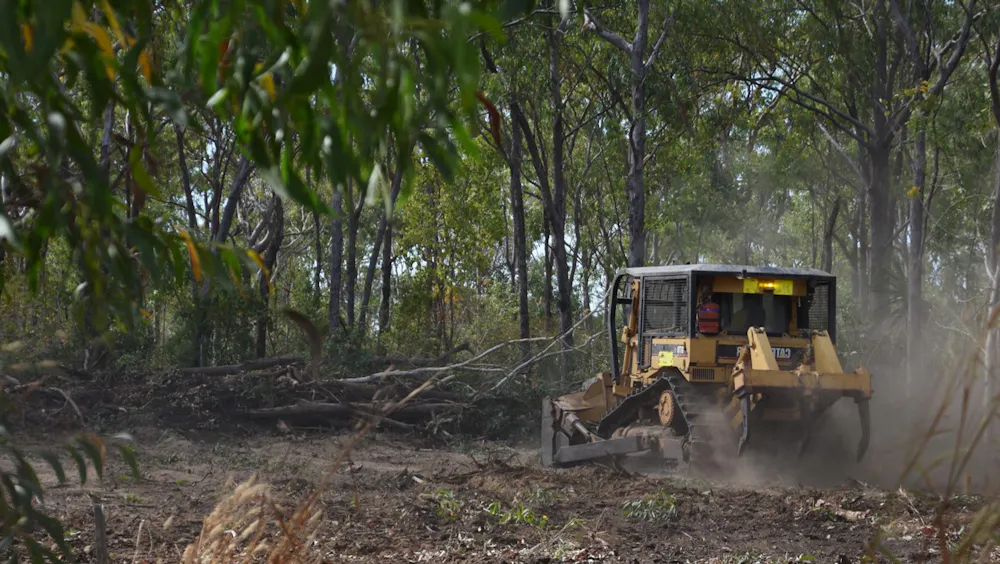
The states are largely responsible for controlling land clearing. But when land clearing affects “matters of national environmental significance” such as a nationally listed threatened species or ecological community, it becomes a federal matter.
Such proposals are supposed to be referred to the federal environment minister for assessment under the Environment Protection and Biodiversity Conservation (EPBC) Act.
But most habitat destruction is never referred. And if it is, it’s mostly deemed “not a controlled action”. That means no further consideration is required and the development can proceed.
Only about 1.5% of the hundreds of thousands of hectares of land cleared in Australia every year is fully assessed under the EPBC Act.
This means our threatened species and ecological communities are suffering a “death by a thousand cuts”.
How do we fix this? A starting point is to introduce “national environmental standards” of the kind envisaged in the 2020 review of the EPBC Act by Professor Graeme Samuel.
A strong Environment Protection Agency could ensure impacts on biodiversity are appropriately assessed and accounted for.
Protecting threatened species
For Australia to turn around its extinction crisis, prospective elected representatives and governments must firmly commit to the following actions.
Stronger environmental law and enforcement is essential for tackling biodiveristy decline and extinction. This should include what’s known as a “climate trigger”, which means any proposal likely to produce a significant amount of greenhouse gases would have to be assessed under the EPBC Act.
This is necessary because climate change is among the greatest threats to biodiversity. But the federal environment minister is currently not legally bound to consider – or authorised to refuse – project proposals based on their greenhouse gas emissions. In an attempt to pass the EPBC reforms in the Senate last year, the Greens agreed to postpone their demand for a climate trigger.
Key threats to species, including habitat destruction, invasive species, climate change, and pollution, must be prevented or reduced. Aligning government policies and priorities to ensure environmental goals aren’t undermined by economic and development interests is essential.
A large increase in environmental spending – to at least 1% of the federal budget – is vital. It would ensure sufficient support for conservation progress and meeting legal requirements of the EPBC Act, including listing threatened species and designing and implementing recovery plans when required.
 The Maugean skate, an endangered species found only in Macquarie Harbour, Tasmania, has come into conflict with the salmon farming industry.
AAP Image/Supplied by Jane Ruckert, IMAS
The Maugean skate, an endangered species found only in Macquarie Harbour, Tasmania, has come into conflict with the salmon farming industry.
AAP Image/Supplied by Jane Ruckert, IMAS
Show nature the money!
Neither major party has committed to substantial increases in environmental spending in line with what experts suggest is urgently needed.
Without such increased investment Australia’s conservation record will almost certainly continue to deteriorate. The loss of nature hurts us all. For example, most invasive species not only affect biodiversity; they have major economic costs to productivity.
Whoever forms Australia’s next government, we urge elected leaders to act on the wishes of 96% of surveyed Australians calling for more action to conserve nature.
Authors: Euan Ritchie, Professor in Wildlife Ecology and Conservation, School of Life & Environmental Sciences, Deakin University


















