

You can help track 4 billion bogong moths with your smartphone – and save pygmy possums from extinction
- Written by: Sally Sherwen, Director Wildlife Conservation and Science, Zoos Victoria, University of Melbourne
Each year, from September to mid-October, the tiny and very precious mountain pygmy-possums arise from their months of hibernation under the snow and begin feasting on billions of bogong moths that migrate from Queensland to Victoria’s alpine region.
But for the past two springs, moth numbers have collapsed from around 4.4 billion in alpine areas to an almost undetectable number of individuals. And the mountain pygmy-possums went hungry, dramatically affecting breeding success among the last remaining 2,000 that live in the wild.
Read more: Meet the Australian wildlife most threatened by climate change
This year’s migration of bogong moths to the possums’ alpine home is crucial for the critically endangered mountain pygmy-possums. That’s why we’re asking you to do two simple things: turn off your lights at night, and if you see a bogong moth, take a picture.
What’s happened to the moths?
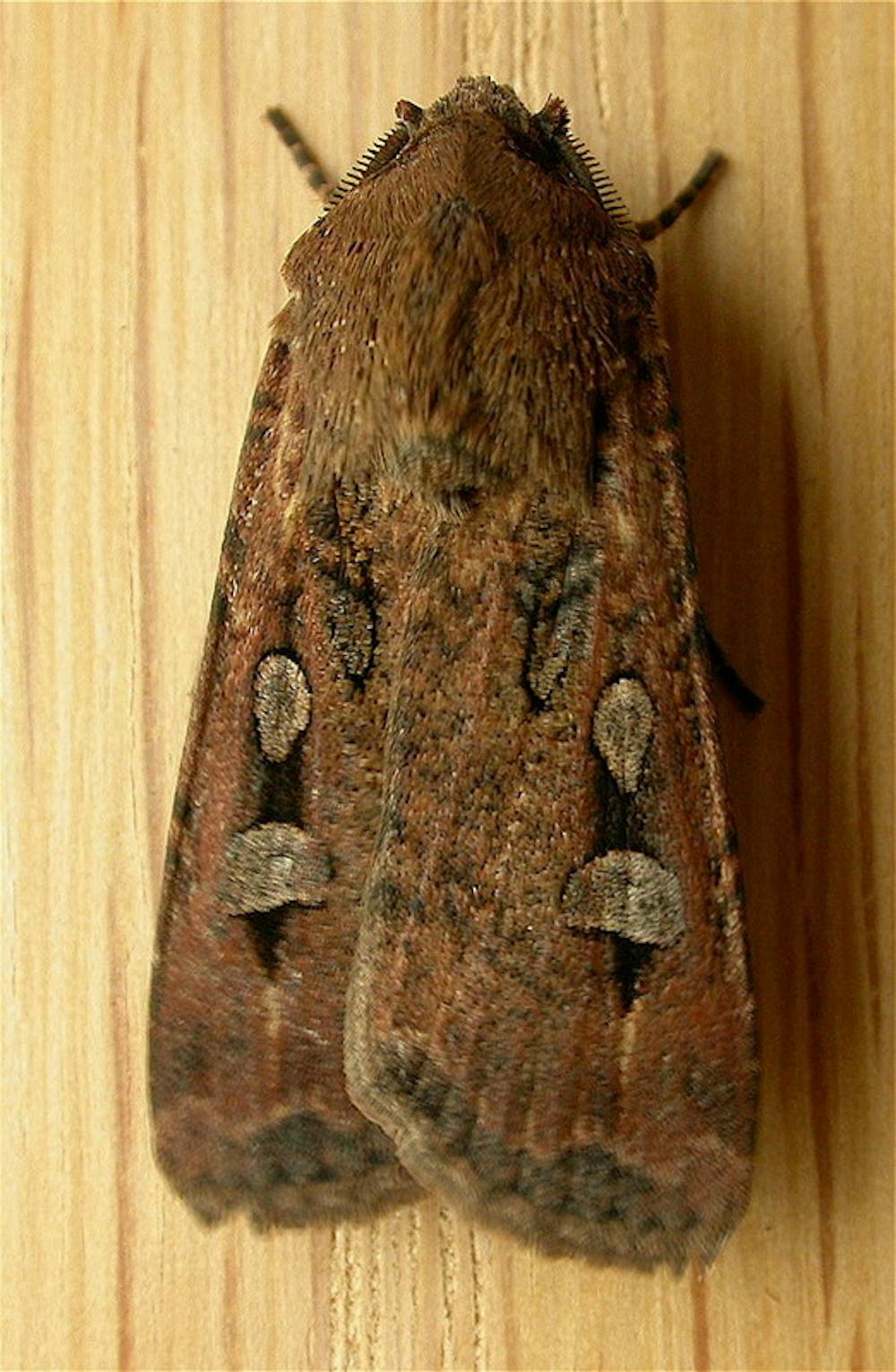 Bogong moths make an epic migration through Australia every spring.
Credit: Donald Hobern
Bogong moths make an epic migration through Australia every spring.
Credit: Donald Hobern
We don’t know exactly why the moths are not making it to their summer alpine destination. It’s likely extreme drought, pesticides and changes in agricultural practices are all major factors. However, scientists believe that because moths use both the Earth’s magnetic field and visual cues on the horizon to navigate, light pollution from urban centres can confuse the moths and stall their journey.
Some of the greatest beacons on their path are Parliament House and Canberra’s bright surrounds. Both parliamentarians and the general public are being asked to turn unnecessary outdoor lights off from September 1 to October 31, as part of the Lights Off for Moths campaign.
Artificial night lighting has dramatically changed the nocturnal environment. In urban environments, the soft glow of moonlight is overpowered by bright streetlights, security lights and car headlamps. These light sources can be more than 1,000 times as bright as moonlight, and their biological impact is increasingly visible and widespread.
One of the most obvious impacts of artificial light at night is that it can attract animals (sometimes fatally). While a “moth to a flame” may be somewhat poetic, when one moth becomes hundreds, or potentially thousands, the ecological impact may be catastrophic. Current global lighting practices may be creating this very scenario.
Recent evidence links the presence of artificial light at night with large-scale deaths and shifts in nocturnal migration patterns in birds. In insects, artificial night lighting disrupts nocturnal pollination networks and is strongly linked with observed mass declines in insect (and particularly moth) populations.
No moths means hungry possums
When a species like bogong moths decline, it has huge ramifications. Insects in particular are vital pillars supporting whole ecosystems - without bees and other insect pollinators, for example, we risk the extinction of our flowering plants. Many birds, reptiles and mammals depend on insects as part of their diet.
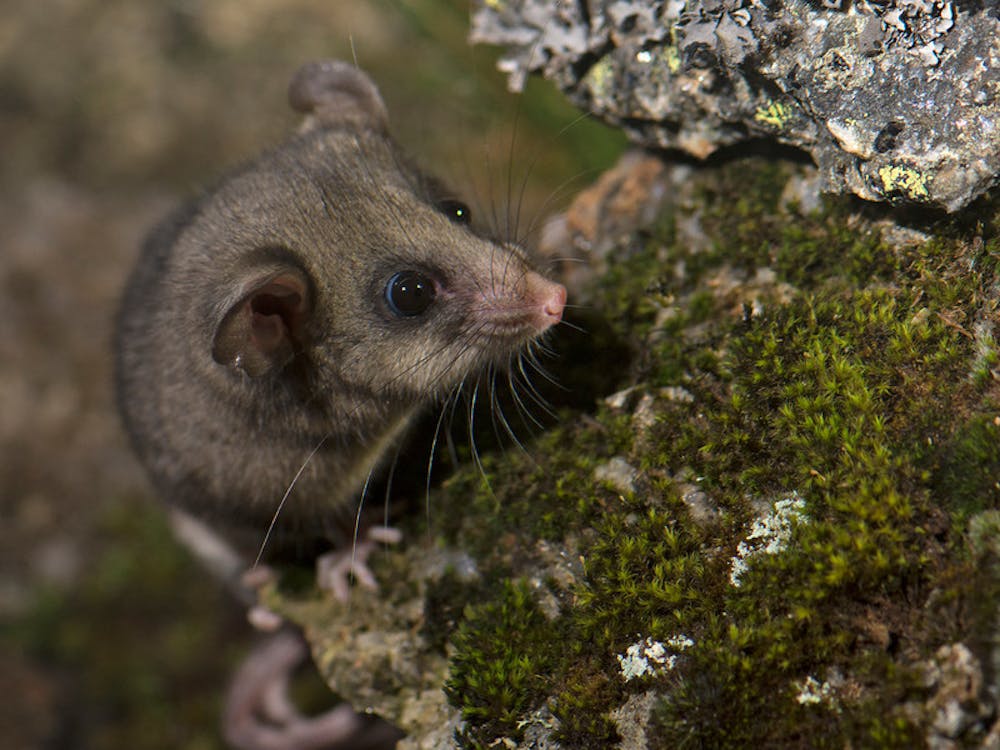 Tiny mountain pygmy possums, like many other animals, depend on the annual bogong moth migration for food.
Tim Bawden
Tiny mountain pygmy possums, like many other animals, depend on the annual bogong moth migration for food.
Tim Bawden
For mountain pygmy possums, the fatty, nutrient-rich bounty of bogong moths arrives right as they are waking up in the spring. They are one of the only Australian mammals that hibernate, and can spend up to seven months sleeping under the alpine snow.
The possums awake ravenously hungry, and devour the bogong moths to regain crucial fat stores. Without the moths there at the right time, the possums struggle to secure enough energy to breed successfully.
Snap that moth
Alongside the Lights Off for Moths campaign, Zoos Victoria has launched Moth Tracker, an app that allows Australians to photograph and log any potential sightings of migrating bogong moths.
Moth Tracker, which can be accessed through any laptop or smartphone, is adapted from the popular Southern Right Whale watching app in collaboration with Federation University and Victorian conversation network SWIFFT.
Bogong moths migrate from their winter breeding grounds throughout Queensland, New South Wales and western Victoria in search of cooler climates for the Spring and Summer in the Victorian and NSW Alpine regiiit fro on wmhere the mountain pygmy-possums live.
Before they become moths, the larvae look like tiny, shiny brown capsules and are commonly referred to as cutworm. Migratory bogong moths are dark brown, with two lighter spots on each wing. They are small, only about the length of a paper clip. During the day they’re often seen grouped together like roof tiles. At night, they are more active and flying around.
If you see a bogong moth (or something you think might be a bogong month), we need you to take a photograph and log the location, day and time with Moth Tracker. Scientists will use the data to determine whether any moths are making their way to the precious, and very hungry, possums that are just starting to wake from their winter hibernation.
Read more: Lights out! Clownfish can only hatch in the dark – which light pollution is taking away
The Victorian Mountain Pygmy-possum Recovery Team, together with partner organisations, is also investigating options for interventions in the wild if needed. These may include a world-first airdropping of “bogong balls” to feed the hungry possums, as well as improving habitat connectivity and captive measures to support populations through the breeding season.
But with unnecessary outdoor lights switched off and citizen scientists looking out for bogong moths, there is still hope for the mountain pygmy-possums.
Authors: Sally Sherwen, Director Wildlife Conservation and Science, Zoos Victoria, University of Melbourne


















