

Not just ‘growing pains’: 1 in 5 Australian kids live with chronic pain, but it’s often invisible
- Written by: Joshua Pate, Senior Lecturer in Physiotherapy, University of Technology Sydney
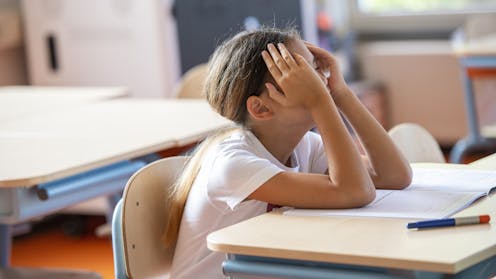
Most children bounce back from pain after an injury or illness. But for one in five – approximately 877,000 children in Australia – the pain continues.
Clinicians call this chronic or persistent pain, meaning pain that lasts longer than three months. Chronic pain in children such as headaches or abdominal pain may be caused by an injury or underlying condition (for example, arthritis). But pain without a known cause is also common.
For a new report commissioned by Chronic Pain Australia, published on Sunday, we surveyed 229 children, young people and families about their experiences of living with chronic pain.
They told us chronic pain affects every aspect of their lives – from sport, school and friendships, to parents’ ability to work. But it often remains invisible.
What kids and families told us about chronic pain
The 2025 National Kids in Pain Report included 53 responses from children and young people who live with chronic pain and 176 responses from caregivers. The aim was to explore their experiences of chronic pain and how much it affected day-to-day life.
The report paints a stark picture: pain disrupts schooling, erodes friendships, reshapes family life, and places enormous strain on national productivity.
It revealed consistent issues, including:
diagnosis delays: 64% of families had waited more than three years for a diagnosis, and many had never received one
school disruption: 83% of children had missed classes because of pain, and more than half had fallen behind academically
sleep and mental health: 84% struggled with sleep, while more than 80% experienced anxiety, low mood or other psychological impacts
family and economic costs: almost half of carers had reduced work hours or left employment. One in five parents had resigned, and one in 20 were fired
gender disparities: girls were disproportionately affected, representing 57% of cases.
The annual economic toll is conservatively estimated at A$15 billion. But perhaps most troubling is how long children waited for their pain to be believed.
One parent told us:
She first complained of pain when was eight, but we didn’t get a formal diagnosis until she was nearly 12. By then she had already missed so much school and was falling behind socially.
Families reported they were repeatedly dismissed, told it was anxiety (71%), “growing pains” (54%) or attention-seeking (35%).
These stigmatising responses can break trust in health-care systems and schools. One young person told us:
I wish someone had believed me earlier. Waiting years made everything worse – school, friends, even just believing in myself.
Invisibility has consequences
Chronic pain in Australia remains largely invisible because it is not formally recognised as a condition or tracked in national health data. This means it is not considered in how health services are planned and funding is allocated.
Although the World Health Organization recognised chronic pain as a distinct condition in 2019, Australia has yet to align with this recommendation.
In paediatric care, this leaves significant gaps.
There are only nine paediatric pain clinics across Australia, and none at all in Tasmania and the Northern Territory.
There are promising signs in New South Wales. New guidance in 2025 sets out how specialised paediatric pain services should deliver coordinated, culturally safe care and connect with schools. The next step is consistent implementation and shorter wait times, especially outside cities.
But federally, the government has moved away from a national plan to specifically manage pain, to a broader approach that focuses on chronic conditions. This risks further erasing pain from national health policy and planning.
Read more: Australians are in more pain – and our new data shows it's not just due to ageing
But we know what works
Parents and carers must often navigate referrals for specialists, waiting lists and school adjustments, while also juggling jobs and other children. Caregivers are frequently stressed and their work is disrupted.
But when care is coordinated – connecting health professionals with schools and giving families clear plans to manage pain – parents’ health and work outcomes improve.
International and Australian guidelines for managing chronic pain in children advocate a practical mix of approaches, including:
age-appropriate movement with pacing (very gradually increasing physical activity)
sleep support
skills for managing flare-ups
psychological therapies that reduce fear and build confidence, and in some instances can reduce pain and disability
using medicines carefully when needed.
For schools, making “reasonable adjustments” is already a federal requirement under the Disability Discrimination Act 1992 and the Disability Standards for Education – even if the child does not have a formal diagnosis.
When clinics, families and schools work together on flexible timetables, safe places to rest, and ways to participate remotely, young people can keep learning and stay connected while recovery unfolds.
Recognising chronic pain
We already have evidence-based solutions to deliver better care for young people living with pain. What’s missing is national recognition of this experience and its impact.
Australia should follow the World Health Organization by classifying chronic pain as a distinct condition. This is the first step to fully recognising – and then addressing – paediatric pain.
Children and their carers want what any of us would want: to go to school, play sport, and live a life not dominated by pain.
Authors: Joshua Pate, Senior Lecturer in Physiotherapy, University of Technology Sydney


















