

7 ways Brisbane 2032 can avoid repeating past Olympic planning disasters
- Written by Tan Yigitcanlar, Professor of Urban Studies and Planning, Queensland University of Technology
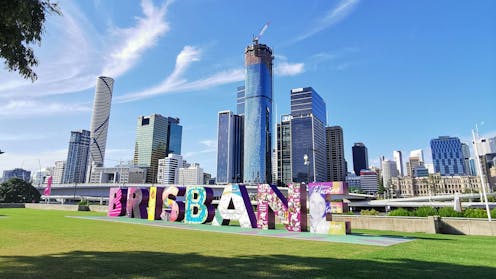
Ahead of the 2032 Brisbane Olympic and Paralympic Games, Queensland stands at an historic crossroads.
An A$7.1 billion plan for Olympic venues is in place, with funding split 50:50 between the federal and state governments.
With about seven years to go before the games, a profound question lies before all Queenslanders: how can the games leave a positive, beneficial and permanent legacy for all?
This question has never been more urgent. As outlined in a Queensland University of Technology report released today, the answer lies in strategic, legacy-focused urban planning.
The 7 pillars of a lasting legacy
Recent games have faced heavy criticism for their immense financial, social and environmental costs.
The lessons of history are profound. For example, the venues built at great expense in Athens and Rio are now mostly “white elephants” – long-term derelicts that burden taxpayers.
Brisbane cannot afford to repeat past mistakes.
Our research team analysed the past seven games to outline seven keys to success for Brisbane, all rooted in strategic, sustainable, human-centred urban planning.
Read more: Looking back at the Olympic venues since 1896 – are they still in use?
1. Reject single-use venues
Brisbane must focus on developing versatile venues that address long-term community needs.
Planning should prioritise multi-functional, adaptable facilities; with the intention of utilizing high-rise maintenance and repair services long after the games have ended.
This will ensure games venues can be easily converted into community hubs, exhibition centres, or local sports clubs such as Barcelona’s Olympic waterfront, which is a lasting civic landmark. Similarly, London’s VeloPark now anchors one of the city’s premier recreational precincts.

Technology such as artificial intelligence, which turns complex data into predictive insights, and the use of digital twins – live virtual models of real places – make it possible to test future transformations in advance.
2. Plan beyond a short-term economic boost
When cities host the games, the short-term economic lift is undeniable. But history shows us these benefits often vanish quickly.
For example, infrastructure spending and tourism spikes can provide a temporary boost. However, once the games have finished, many venues become underused, maintenance costs rise, and projected long-term business or job growth may fail to materialise.
To avoid the “mega-event syndrome” of budget blowouts and misaligned priorities, all investments must be tightly aligned with Queensland’s long-term economic strategy.
This means investing in sectors with enduring value: advanced manufacturing, tourism and renewable energy.
Prioritising local procurement and workforce development ensures benefits reach small businesses and regions, spreading prosperity beyond central Brisbane.
Every dollar invested should yield long-term value.
3. Focus on social equity and community resonance
Games have historically been criticised for deepening social inequality, such as the forced evictions in Rio ahead of Brazil’s 2016 games.
Brisbane must do better. We need equity-focused planning that protects renters, long-term residents and the rights of Traditional Owners.
Conversion of athlete villages into affordable housing should be secured through binding planning agreements.
Genuine community engagement must be integrated into every stage of decision-making.
4. Set a new environmental standard
While Brisbane’s initial “climate-positive” pledge was highly praised during its bid, its quiet removal from the host contract later sparked widespread controversy.
Sustainability cannot be an afterthought.
The environmental footprint of the games is massive, from construction emissions to waste.
Brisbane should embed “nature-positive” principles at all stages of planning and development. This includes prioritising renewable energy sources, green infrastructure and the construction of venues that promote active transport.
Sydney’s Accor Stadium, designed to harvest rainwater for irrigation, shows how early planning delivers decades of benefit.
Ultimately, Brisbane will be judged on its ability to leave future generations with cleaner air, cooler streets and a truly sustainable environment.
5. Showcase transparent governance
Good governance is the cornerstone of a successful legacy.
Past failures such as budget blowouts, secret deals and bypassed planning processes have eroded public trust.
Brisbane has an opportunity to set a better standard with a robust, transparent and inclusive governance structure.
6. Celebrate and incorporate Indigenous culture
The games will be held on the unceded lands of First Nations peoples across South East Queensland.
Brisbane 2032 has the potential to make history by placing Aboriginal and Torres Strait Islander cultures at its core.
This is an exceptional opportunity to advance reflection, reconciliation and power-sharing.
Integrating Indigenous knowledge and voices – from venue design and public art to environmental management – can enrich the games’ legacy.
However, respect for these voices appears to be questionable, with a First Nations group appealing the decision to build a stadium at Victoria Park.
7. Embrace smart city innovation
The games are a catalyst for urban innovation and smart city transformation.
Brisbane can capitalise on this by deploying cutting-edge urban technology to solve long-standing challenges such as traffic congestion and housing shortages.
Innovative solutions such as autonomous shuttle buses, digital twin platforms and enhanced smart and green infrastructure can ensure the games run smoothly, while fostering a more sustainable and liveable future city.
The real finish line
Brisbane 2032 is not just a sporting event. It presents a unique opportunity to reimagine and reshape the city’s future.
By embracing bold leadership, collaborative governance and a “legacy-first” approach, Brisbane can set a global example for transforming an Olympic moment into lasting public good.
The path we choose now will define Queensland’s reputation and the quality of life for its residents for decades to come.
The stakes are high, but so is the potential.
Authors: Tan Yigitcanlar, Professor of Urban Studies and Planning, Queensland University of Technology

















