Modern Australian
Times Advertising

how citizen science can improve people’s health

  • Written by Richard Fuller, Professor in Biodiversity and Conservation, The University of Queensland

The two of us can often be found in a patch of scrubby bushland, phone in hand, slowly scanning for plants. Or crouched behind a tree trunk with binoculars, pausing mid-breath to find the source of a bird call. It often feels like a treasure hunt. What will turn up today? And how can we share those observations with the world?

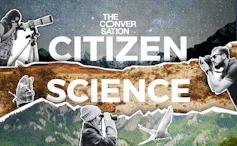
Activities such as these are part of citizen science, where volunteers record observations of the natural world and share them with others.

how citizen science can improve people’s health
Science lives far beyond the lab, and it’s not just done by scientists. In this series, we spotlight the world of citizen science – its benefits, discoveries and how you can participate. We are both professional ecologists, but our most joyful moments with nature often begin with a simple act: stepping outside and paying attention to it. And our research suggests these experiences may do more than support science. They may also benefit our mental health. Some days it’s a common species we’ve seen a hundred times before. Other days it’s something unexpected that brings a surge of excitement. Being outside like this can feel freeing. You focus on the present, move your body and think about where to place your feet, without worrying about your email inbox or endless other demands on your attention. You begin noticing small details you might usually rush past. That sense of curiosity, connection and shared purpose is something many people recognise when they take part in citizen science. Supporting mental wellbeing Citizen science projects invite people to collect data about the natural world. Platforms such as eBird, iNaturalist, FrogID and Redmap allow anyone armed with curiosity and a smartphone to record wildlife observations and contribute to scientific research. Millions of people around the world now take part in these kinds of projects. In a recent study of citizen science participants, we examined how taking part in wildlife monitoring projects affects people’s mental wellbeing. Participants consistently described feeling better after taking part. One volunteer told us: I come home tired, but it’s a good tired. My head feels clearer, like I’ve pressed reset. Another explained that learning to identify species changed how they experienced everyday walks: I don’t just see “green” anymore. Now I notice the differences between plants, their ecological value and the pressures they face. Part of the explanation is simple: spending time in nature is already known to reduce stress, improve mood and support mental wellbeing. But citizen science goes a step further. Rather than simply visiting a park, people actively engage with the environment. They observe closely, record what they see and contribute to something larger than themselves. This sense of purpose can deepen the benefits of being outside. Citizen science is also inherently social. Many projects bring people together to collect data, share observations or learn from others. These interactions can help reduce social isolation, which is a major risk factor for poor mental health. For some participants, particularly older adults, citizen science can also be empowering. It provides opportunities to use existing skills, learn new ones and feel that their contributions matter. Taken together, elements of nature exposure, physical activity, learning and social connection create a powerful mix that supports wellbeing. How you participate matters Not all citizen science experiences are the same, and this may influence their health benefits. In a 2025 study we explored this using a concept borrowed from public health called dose-response – how much participation is needed to produce benefits? Three ingredients appear particularly important: frequency (how often someone takes part), duration (how long activities last) and intensity, which can include the richness of the environment, the diversity of species encountered or the depth of interaction between participants. Short, one-off activities can still boost mood and encourage movement. But regular participation is more likely to produce longer-lasting benefits. Like exercise, small amounts done often may be better than one big effort followed by long gaps. Citizen science can also bring physical health benefits. Many projects involve walking, bending, standing or light hiking. These activities support mobility and cardiovascular health. For communities at risk of social isolation or physical inactivity, these benefits may be profoundly valuable. How can citizen science do even more? Despite this potential, most citizen science projects are not designed with health outcomes in mind. That means opportunities are being missed. A 2025 study suggests even short nature-based citizen science activities can quickly improve mood and reduce stress. Longer-term mental health conditions are influenced by many factors and usually require sustained support. Citizen science will not replace medical care. But it can help strengthen the foundations of wellbeing: positive emotions, physical activity, social connection and a sense of purpose. At a population level, these building blocks matter. They build our ability to cope with challenges and recover from stress. To maximise these benefits, citizen science projects must be inclusive. People who already feel connected to nature are more likely to take part. But this is also the group that tends to report better mental and physical health, meaning participation can unintentionally reinforce existing health inequalities. Field-based projects may unintentionally exclude people with mobility challenges, limited time or poor access to green space. Yet many of these individuals could contribute meaningfully if projects were designed with accessibility in mind. Recognising citizen science not only as a research tool, but also as a way to support public health opens new opportunities. When designed thoughtfully, citizen science can benefit both biodiversity and people. And for participants, it offers something simple but powerful: a reason to step outside, pay attention, and reconnect with the living world around them.

Authors: Richard Fuller, Professor in Biodiversity and Conservation, The University of Queensland

Read more https://theconversation.com/my-head-feels-clearer-how-citizen-science-can-improve-peoples-health-275426

Interstate Car Transporter Urges Buyers to Book Early

As the conflict in the Middle East continues to put increasing pressure on local fuel supply, Australian transport companies are experiencing increasi...

Digital Minimalism for Business Owners: Fewer Tools, Better Systems

Be honest. How many apps are open right now? One for scheduling, another for invoices, a third for customer notes, plus a spreadsheet someone email...

The Importance Of Proactive NDIS Renewal Preparation For Sustaining Your Provider Business

Your NDIS renewal notice is not a signal to start preparing. By the time it arrives, preparation should already be well underway. For new providers, s...

Why Fire Extinguisher Testing in Sydney Is Becoming a Records Game, Not Only a Maintenance Job

A fire extinguisher used to feel like one of the simpler parts of building safety. It hung on the wall, wore a service tag, and sat there quietly unle...

The Switchboard Upgrade Question Every Melbourne Renovator Should Ask Before the Walls Close Up

Renovations have a funny way of making people think on surfaces first. Splashback, stone, joinery, tapware, paint. Fair enough too. That is the exciti...

Winter Sanitation Gaps in Parramatta Kitchens: A Hidden Pest Risk

Winter brings a host of changes to our homes, from the chill in the air to the cozy warmth indoors. However, this season also introduces sanitation ch...

When to Seek Advice from Employment Lawyers in Melbourne

Australian employment law is detailed and, at times, complex, with rights and obligations that aren't always obvious to employees or employers witho...

7 Benefits of Professional Gutter Cleaning for Australian Homeowners

Gutters aren't exactly glamorous. They sit up there on the edge of your roof, doing their job quietly - until they stop working. Clogged, overflowing ...

Pipe Floats Strengthening Pipeline Performance In Demanding Environments

Pipelines often travel through environments that are anything but predictable, water currents shift, terrain changes, and materials keep moving unde...

Why Ceiling Fans Are Essential For Comfort, Efficiency, And Modern Living

Creating a comfortable indoor environment is not just about temperature; it is about how air moves, how a room feels, and how efficiently energy is ...

Why Duct Cleaning In Melbourne Is A Smart Investment For Healthier Living Spaces

Behind your walls, ceilings, and vents lies a network quietly working every day to keep your home comfortable. Yet over time, this system can become...

Disability Service Providers Supporting Inclusive And Independent Living

Finding the right support system can feel like assembling a puzzle where every piece must fit just right. For individuals and families navigating di...

A Beginner's Guide to Owning a Caravan in Australia

Owning a caravan opens up a style of travel that's hard to match for freedom and flexibility. However, for those just starting out, the process of c...

Preparing Your Air Conditioner for Summer: What Most Homeowners Overlook

As temperatures rise, many homeowners switch on their air conditioning for the first time in months — only to find it’s not performing the way i...

What Actually Adds Value to Properties in Newcastle

Newcastle has seen steady growth over the past few years, with more buyers looking beyond Sydney for lifestyle, space, and long-term value. As dema...

What is Design and Build in Construction?

Imagine you’re about to start a new construction project, maybe it’s a custom home or a commercial building. You’ve got the idea, the land, an...

Commercial roof leak detection: why early action protects your building

Water ingress is one of the most disruptive and costly issues facing commercial properties. For property managers and facilities teams, even a minor...

Custom Photo Frames: Turning Everyday Moments into Lasting Displays

Photos capture moments, but how you display them determines how they’re experienced every day. A meaningful photograph deserves more than a generi...