

6 ways your smartwatch is lying to you, according to science
- Written by: Hunter Bennett, Lecturer in Exercise Science, Adelaide University
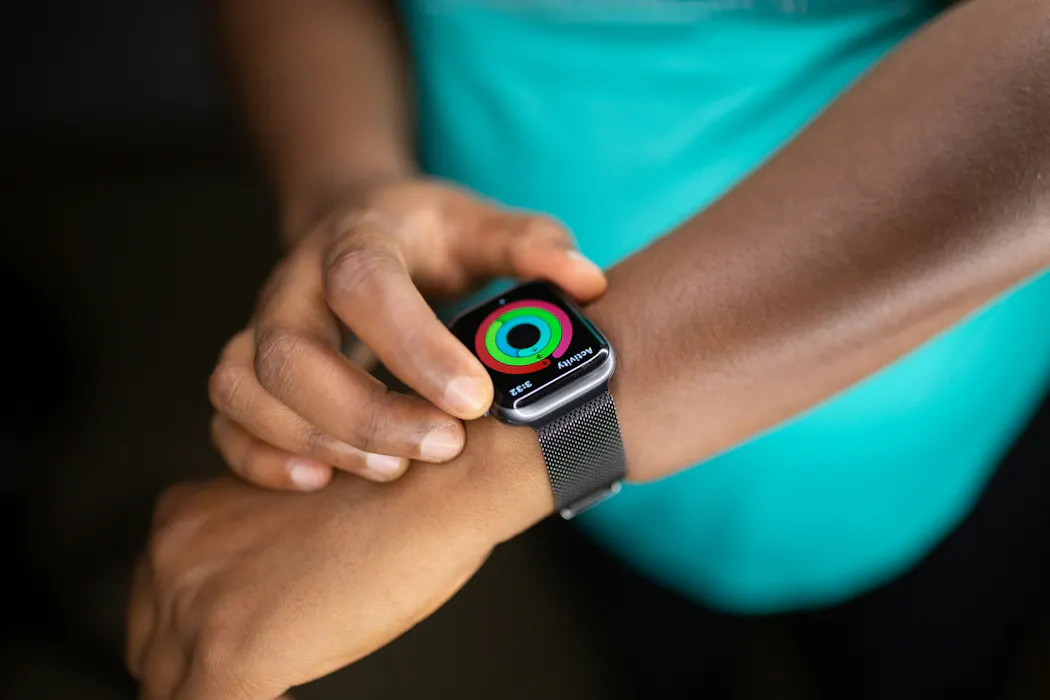
You check your smartwatch after a run. Your fitness score has dropped. You’ve burnt hardly any calories. Your recovery score is really low. It’s telling you to take the next 72 hours off exercise.
The worst bit? The whole run felt amazing.
So why’s your watch telling you the opposite?
Ultimately, it’s because smartwatches and other fitness trackers aren’t always accurate.
Smartwatches can shape how you exercise
Using wearable fitness technology, such as smartwatches, has been one of the top fitness trends for close to a decade. Millions of people around the world use them daily.
These devices shape how people think about health and exercise. For example, they provide data about how many calories you’ve burnt, how fit you are, how recovered you are after exercise, and whether you’re ready to exercise again.
But your smartwatch doesn’t measure most of these metrics directly. Instead, many common metrics are estimates. In other words, they’re not as accurate as you might think.
1. Calories burned
Calorie tracking is one of the most popular features on smartwatches. However, the accuracy leaves a lot to be desired.
Wearable devices can under- or overestimate energy expenditure (often expressed as calories burned) by more than 20%. These errors also vary between activities. For example, strength training, cycling and high-intensity interval training can lead to even larger errors.
This matters because people often use these numbers to guide how much they eat.
For example, if your watch overestimates calories burned, you might think you need to eat more food than you really need, which could result in weight gain. Conversely, if your watch underestimates calories burned, it could lead you to under-eat, negatively impacting your exercise performance.
2. Step counts
Step counts are a great way to measure general physical activity, but wearables don’t capture them perfectly.
Smartwatches can under-count steps by about 10% under normal exercise conditions. Activities such as pushing a pram, carrying weights, or walking with limited arm swing likely make step counts less accurate, as smartwatches rely on arm movement to register steps.
For most people, this isn’t a major problem, and step counts are still useful for tracking general activity levels. But view them as a guide, rather than a precise measure.
3. Heart rate
Smartwatches estimate your heart rate using sensors that measure changes in blood flow through the veins in your wrist.
This method is accurate at rest or low intensities, but gets less accurate as you increase exercise intensity.
Arm movement, sweat, skin tone and how tightly you wear the watch can also impact the heart rate measure it spits out. This means the accuracy can vary between people.
This can be problematic for people who use heart rate zones to guide their training, as small errors can lead to training at the wrong intensity.
Read more: What are heart rate zones, and how can you incorporate them into your exercise routine?
4. Sleep tracking
Almost every smartwatch on the market gives you a “sleep score” and breaks your night into stages of light, deep and REM sleep.
The gold standard for measuring sleep is polysomnography. This is a lab-based test that records brain activity. But smartwatches estimate sleep using movement and heart rate.
This means they can detect when you’re asleep or awake reasonably well. But they are much less accurate at identifying sleep stages.
So even if your watch says you had “poor deep sleep”, this may not be the case.
Read more: How do sleep trackers work, and are they worth it? A sleep scientist breaks it down
5. Recovery scores
Most smartwatches track heart rate variability and use this, with your sleep score, to create a “readiness” or “recovery” score.
Heart rate variability reflects how your body responds to stress. In the lab it is measured using an electrocardiogram. But smartwatches estimate it using wrist-based sensors, which are much more prone to measurement errors.
This means most recovery metrics are based on two inaccurate measures (heart rate variability and sleep quality). This results in a metric that may not meaningfully reflect your recovery.
As a result, if your watch says you’re not recovered, you might skip training – even if you feel good (and are actually good to go).
6. VO₂max
Most devices estimate your VO₂max – which indicates your maximal fitness. It’s the maximum amount of oxygen your body can use during exercise.
The best way to measure VO₂max involves wearing a mask to analyse the amount of oxygen you breathe in and out, to determine how much oxygen you’re using to create energy.
But your watch cannot measure oxygen use. It estimates it based on your heart rate and movement.
But smartwatches tend to overestimate VO₂max in less active people and underestimate VO₂max in fitter ones.
This means the number on your watch may not reflect your true fitness.
What should you do?
While the data from your smartwatch is prone to errors, that doesn’t mean it is completely worthless. These devices still offer a way to help you track general trends over time, but you should not pay attention to daily fluctuations or specific numbers.
It’s also important you pay attention to how you feel, how you perform and how you recover. This is likely to give you even more insight than what your smartwatch says.
Authors: Hunter Bennett, Lecturer in Exercise Science, Adelaide University
Read more https://theconversation.com/6-ways-your-smartwatch-is-lying-to-you-according-to-science-279851


















