

what the NDIS changes mean for participants
- Written by: Helen Dickinson, Professor, Public Service Research, UNSW Sydney
In sweeping reforms to the National Disability Insurance Scheme (NDIS) announced today, the government will cut 160,000 participants from the scheme over the next four years and reduce funding for the average plan by A$5,000 in the next two years.
Speaking at the National Press Club today, NDIS Minister Mark Butler argued the scheme “costs too much and is growing too fast”. He claimed the NDIS was losing its social licence, with six in ten Australians believing the scheme was “broken”.
Without significant changes, he argued, the NDIS “will not be able to deliver what Australians with disability deserve”. Instead, he wants to return the NDIS to its original intent and improve the scheme’s financial sustainability.
So what are these changes? And what might they mean for NDIS participants and their families?
What changes will be made?
The government’s plan to secure the NDIS will have four pillars:
- fighting fraud and stopping rorts
- slowing rapid cost increases
- clearer eligibility requirements
- delivering quality services and support to participants.
To achieve these pillars, Butler set out several changes, including:
introducing a digital payment system so there is better visibility over claims made to the NDIS and to ensure these are genuine
reducing the number of organisations able to operate as plan managers
reducing the number of unscheduled plan reassessments, where people spend their budgets before their plans end
establishing a $200 million Inclusive Communities Fund to support people with disability to participate in their communities to partially replace cuts to individual plans
increasing the number of activities that require mandatory registration of providers
delaying new planning processes (that were due to start in July) until April 2027.
Cutting the cost of the NDIS
The original design for the NDIS predicted it would have 410,000 participants. But today there are more than 760,000.
With more participants than originally predicted, the scheme is more expensive than was budgeted. This year the NDIS is predicted to cost more than $50 billion.
The Labor government has been signalling it wants to curb the growth of the scheme for some time. In 2022, the annual growth rate of the scheme was 22%. A meeting of National Cabinet in 2023 agreed to bring this down to 8%. This year, this was revised down to 5–6% per year.
Butler argued that while the government has tried a number of reforms to meet these targets, progress has been too slow. He will now cut costs by reducing plan amounts and changing eligibility requirements to make it harder to access the scheme and lead to some current participants no longer meeting the criteria.
Reducing the costs of social and community participation
The government plans to reduce the average plan from $31,000 back to the 2023 average of $26,000. One of the main ways it will do this is to cut funding in plans for individual social and community participation.
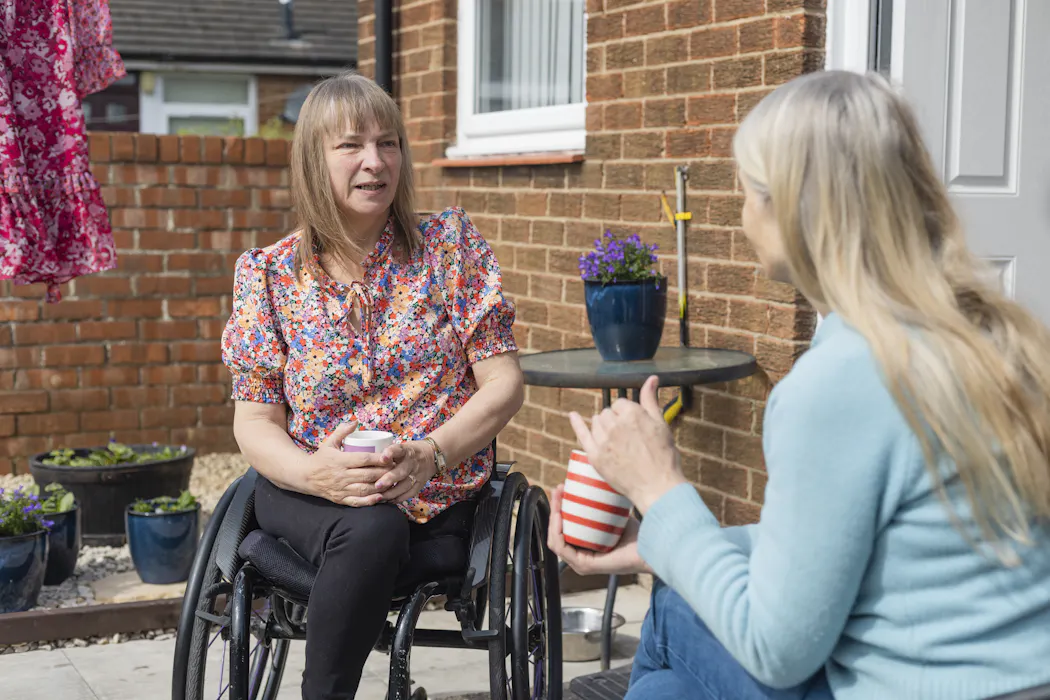
This funding is for supports outside of the home and helps people to engage in their community and build their confidence. It can include things such as group cooking classes, fitness activities, social outings or skills development.
Butler announced the social and community participation component of budgets will be reduced by 30% and acknowledged these cuts will have a “material impact” on participants.
Instead, the government will allocate $200 million to a new Inclusive Communities Fund. This will be available to mainstream and disability organisations to build up “new options” for people with disability to participate in their local community.
In reality, this funding replaces a fraction of what will be cut from participant plans. It also represents a reallocation of funding away from people with disability and towards organisations that will decide which services are offered. This change is inconsistent with the scheme’s philosophy of personalisation and participant choice.
The timing of these changes is likely to present challenges. Reducing individual funding for social and community participation before the Inclusive Communities Fund has been able to develop alternatives leaves an obvious gap for participants.
This gap requires urgent attention. Decreased access to social and community engagement presents clear barriers to participants’ right to be included in the community. It also increases the likelihood of being neglected and exploited if people aren’t known or embedded in their local community.
Tightening scheme eligibility
The government wants to reduce the number of people on the scheme to around 600,000 by the end of the decade. This is a reduction of 160,000 participants from today’s numbers, alongside those who are not currently on the scheme who will not meet tightened eligibility requirements.
This will be achieved by developing new NDIS eligibility criteria and ensuring there is greater consistency in how people are assessed for the scheme.
The government wants to move away from using medical diagnoses to determine entry and instead focus on functional capacity. In other words, eligibility will be based on the impact a person’s impairments might have on their life, in combination with their environment and aspirations.
Some of this work is already underway. The I-CAN Support Needs Asssessment tool has been selected for use in the NDIS to support standardised, evidence-based, “objective” assessments of a person’s functional capacity.
Butler confirmed the tool will need to indicate a “significant reduction in a person’s functional capacity” for people to gain access to the scheme. The current approach, where some people gain NDIS access based on diagnosis from a list of eligible conditions, will end.
What happens next?
The government’s aim is to reduce the growth of the NDIS to 2% per year until 2030.
While this means the scheme will continue to grow, a current inflation rate of more than 3% means NDIS expenditure will decrease in real terms.
For people with disability continuing to experience cost-of-living challenges, housing unaffordability and increased living costs associated with disability, assurances of continued growth will be cold comfort.
To make some of the announced changes, the government will need to pass new legislation. This will be introduced to parliament during upcoming budget sittings.
A technical advisory group will be assembled to develop new eligibility criteria. This means participants and potential applicants won’t see changes until at least 2028.
However, reductions in social and community participation funding will start to occur as early as July 1 2026.
Authors: Helen Dickinson, Professor, Public Service Research, UNSW Sydney


















