

How to model good eating and body image habits for your kids
- Written by: Courtney P. McLean, Research Fellow, School of Psychological Sciences, Monash University
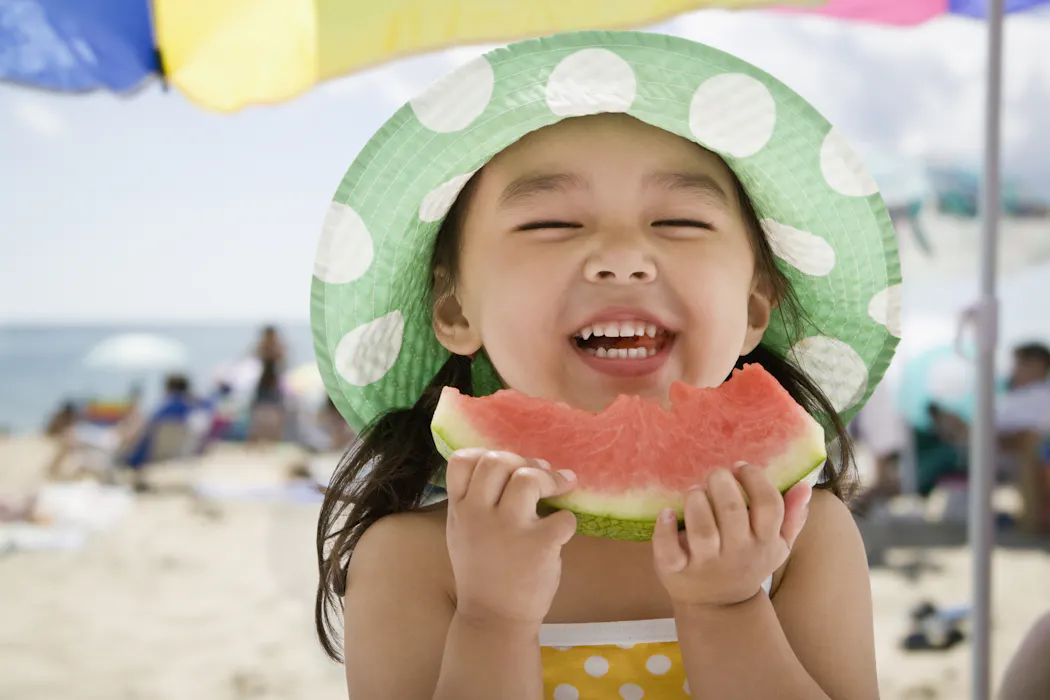
Raising children to have a good relationship with food and their bodies is one of the best ways to promote good self-esteem and protect them from developing disordered eating.
But this can be tricky if you struggle with eating and body image yourself. So, what should you aim for, and what should you avoid?
First, what is disordered eating?
Disordered eating describes a range of problematic behaviours and attitudes towards eating, weight and the body. It can include dieting, cutting out foods or food groups, skipping meals, fasting, binge eating or exercising excessively.
Not all disordered eating will lead to an eating disorder. But eating disorders are usually preceded by disordered eating, particularly dieting.
Concerns about eating and body image are common and can begin from a young age. Globally, 22% of children and adolescents engage in disordered eating, with higher rates among girls.
Read more: What’s the difference between an eating disorder and disordered eating?
Lots of factors influence how kids feel about food and their body, including expectations from media, self-esteem and family attitudes.
Given children observe and model how parents talk about their bodies and food, it can help to model positive or neutral language and eating behaviours. Here are some tips.
4 things to avoid
1. Framing food as ‘good’ or ‘bad’
Don’t talk about dieting, weight loss and “good” or “bad” food, as this can make food a moral issue. For example, saying you’ve “been bad today” for eating something sweet, or “good” for sticking to your diet, can perpetuate shame and guilt around eating.
Instead, aim to talk about how different foods nourish our bodies, or how some foods taste good and are satisfying.
2. Commenting on other people’s bodies
Talking about other people’s bodies, weight or eating habits – whether they’re family, strangers or celebrities – can teach kids to compare and judge themselves against other people.
If your child does comment on another person’s body, you could respond by saying something like, “everyone is different. Some people are taller, shorter, have larger bodies, smaller bodies, and different skin colours”. Celebrating people of all shapes and body sizes can teach kids that weight isn’t a measure of worthiness.
3. Giving appearance-based compliments
When praising your child, focus on things that aren’t related to weight, appearance or eating. For example, “it was generous how you shared your toys today” or “I saw how hard you worked on your homework”.
And when you’re talking to a child you don’t know, an appearance-based compliment (“you look pretty”) may often come to mind first. Instead you might want to comment on their energy, humour, style or creativity (“I love your sense of style” or “you have such good energy”).
4. Criticising your own body
Being a positive body image role model for your children is important. Research shows hearing others criticise their own bodies can lead kids to engage in more negative self-talk about their own bodies. Changing the conversation from appearance to strength, health or function can help (“these arms let me hug you” or “my legs are strong for walking”).
3 things to try
1. Trust your kid knows how much they need
Although it can be difficult, try to trust that your child will eat as much or as little as they need. Children can mostly self-regulate to meet their bodies’ needs. So teaching your child to listen to their body’s physical cues – such as hunger and fullness – can help them build a positive relationship with food.
Parents often want their kids to eat all the food on their plate before they leave the table. But this can lead to struggles over food and teach children to ignore physical cues.
Read more: Focusing on how and why you eat – not just what – may be the key to healthy eating
You can still make sure your kids sit until the mealtime is finished, without making it about eating itself.
It can also be reassuring to look at a child’s whole week of eating, rather than focusing on any particular meal or day (which can fluctuate in amount and nutritional value).
2. Find your own pleasure in eating
Eating a variety of foods yourself, and enjoying and appreciating food can provide important role modelling to your child.
If you struggle with your own body image or eating, this might require unlearning diet rules about when, what, and how much to eat. If you find this challenging it could be beneficial to seek professional help.
3. Aim for neutral
For many people, body positivity (“I feel good about my body”) might not be possible, so you might like to aim for body neutrality. This mindset means accepting and respecting your body just how it is.
Body neutrality can involve reframing thoughts and feelings about your body. For example, “I have put on weight” may become “my body is allowed to change”.
What to look out for
Understanding the signs of disordered eating can also be useful to recognise in your children. If you notice drastic changes in your child’s eating or weight, or have other concerns, it could be worth starting a conversation.
Talking about food and bodies can start at any age. Encourage open conversations and invite your child to share their feelings and thoughts about their body and weight.
If your child makes a negative comment about their body, eating, or weight, try to understand what might be driving it and listen without judgement.
And if you’re concerned, reaching out for support can be a crucial step for improving your kids physical and mental health. This could include your kids’ regular GP, or health professionals such as dietitians or psychologists who specialise in eating disorders.
Butterfly Foundation is Australia’s national eating disorder charity and helpline. For free and confidential support between 8am and midnight you can call 1800 334 673, chat online or send an email.
Authors: Courtney P. McLean, Research Fellow, School of Psychological Sciences, Monash University
Read more https://theconversation.com/how-to-model-good-eating-and-body-image-habits-for-your-kids-279443


















