

Nutritional Solutions for Weight Maintenance in Horses
- Written by: NewsServices.com
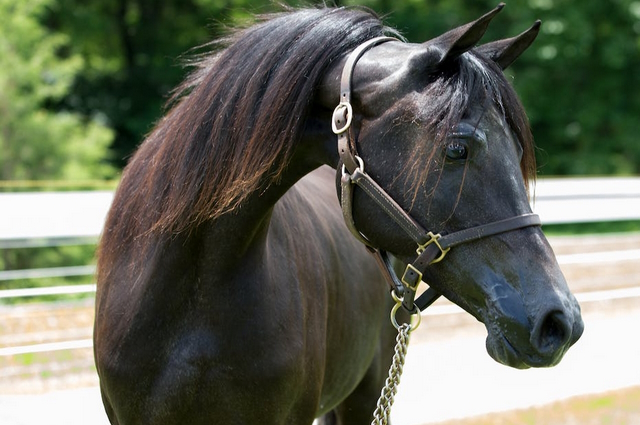
Reasons for Weight Gain in Horses
Horses are beautiful, strong animals that require proper care and nutrition to stay healthy. Unfortunately, if a horse is not cared for properly, it can become overweight or obese. Weight gain in horses can result from many different causes, but the most common reasons include genetics, diet and exercise.
Genetics plays an important role in the weight of a horse. Some breeds of horses are naturally predisposed to becoming overweight more easily than others. Additionally, some individual horses may have a genetic predisposition towards weight gain due to their body type and metabolism rate.
Diet also plays an important role in the health and weight of a horse. Horses need quality feed that is balanced with carbohydrates, protein and fat for optimal growth and development; however, providing too much-concentrated feed can lead to rapid weight gain horse feed. Additionally, free access to hay or grazing on grass all day may lead to obesity if the proper amount is not monitored carefully by owners who understand the nutritional needs of their animal friends.
Exercise is another major factor when it comes to preventing weight gain in horses; however, poorly planned exercise regimens may lead to overtraining which can contribute significantly towards gaining excess pounds quickly as well as general poor health such as dehydration.
Signs of Weight Gain in Horses
As horse owners, it is important to be aware of the signs of weight gain in our animals. Horses can become overweight for a variety of reasons, ranging from lack of exercise to an unhealthy diet. Knowing the signs of weight gain can help us take steps to prevent it and keep our horses healthy.
One sign that your horse may be gaining too much weight is if you notice that its body condition score (BCS) has increased from what is considered ideal. The BCS measures the amount and distribution of fat on a horse’s body, and should generally fall between 3-8 on a scale from 1-9. If you observe that your horse’s BCS has moved up beyond 8, they are likely gaining unwanted fat stores throughout their body.
Another sign that your horse may be overweight is if they have difficulty moving around or seem lethargic when being ridden or worked in any way. This could indicate that they are carrying too much extra weight which makes movement difficult for them. Additionally, a change in appetite can also suggest possible weight gain; horses who are eating more than usual might be storing excess calories as fat rather than burning them off through exercise or other activities like grazing in pasture land.
Prevention of Weight Gain in Horses
For horse owners, prevention of weight gain is a priority for the health and well-being of their animals. Horses that are overweight can suffer from a variety of health issues including laminitis, colic, and metabolic disorders. Fortunately, there are several steps that horse owners can take to prevent their horses from becoming overweight.
The first step to preventing weight gain in horses is to ensure they have access to adequate nutrition. A balanced diet should include quality hay or pasture grass supplemented with grains or concentrates as needed. It’s important to provide adequate amounts of the right type of feed so your horse gets all the nutrients it needs without consuming too many calories or gaining excess weight. Overfeeding can lead to obesity and other health problems down the road.
Another way to prevent weight gain in horses is by providing regular exercise. Regular exercise helps keep metabolism high while also building muscle mass which helps burn more calories throughout the day. Workouts should be tailored specifically for each individual horse based on their energy level and fitness level but should generally include walking, trotting, galloping, jumping, lunging and other activities designed for cardiovascular conditioning as well as strength training exercises such as hill work or core strengthening moves like circles and figure eights in hand.
Nutrition and Diet for Weight Management
Weight management is a challenge for many people. Proper nutrition and diet are essential for achieving and maintaining a healthy weight. Eating nutritious foods can help you control your calorie intake, as well as provide the vitamins, minerals, and other nutrients needed to keep your body functioning optimally.
The key to successful weight management is making healthy food choices that fit into your lifestyle. Focusing on eating nutrient-dense whole foods such as fruits, vegetables, lean proteins, whole grains, legumes and nuts can help you reach your goals without feeling deprived or overwhelmed. Eating small meals throughout the day instead of three large ones can also be beneficial in managing hunger levels and preventing overeating.
In addition to selecting nutritious foods, portion control is an important factor in managing weight. Limiting processed snacks like chips or candy bars will reduce calorie intake while still providing satisfaction when eaten in moderation. Keeping track of what you eat by logging it in a food diary or using an app can be helpful too because it allows you to monitor daily calorie intake more easily than if you tried to remember what was eaten throughout the day without writing it down first. When aiming for weight loss it’s important not to become overly restrictive with calories but rather focus on adopting healthier habits.
Exercise Considerations for Managing Horse Weight
Maintaining a healthy weight is essential for horses of all ages, sizes and breeds. However, managing the weight of a horse can be a challenging task. There are several factors to consider when it comes to managing your horse’s weight, including diet and exercise. Here are some exercise considerations for managing horse weight:
1) Take Into Account the Age and Physical Condition of Your Horse: When deciding on an appropriate level of exercise for your horse, it’s important to take into account their age as well as any physical conditions they may have. For example, young horses should be exercised gradually in order to prevent injury or strain on their developing bodies. Older horses may need less intense exercise due to potential joint or muscle issues.
2) Use Slow-Paced Activities: Slow-paced activities such as walking or light trotting can help keep your horse physically fit without putting too much strain on its body. This type of activity will also help maintain muscle tone while helping them burn more calories than standing still in a stall all day long.
3) Increase Duration Before Intensity: It’s important to gradually increase the duration and intensity of your horse’s exercises over time rather than jumping right into more difficult activities.
Medical Treatment Options for Horse Obesity
Obesity in horses can be an issue that is difficult to tackle due to the animal’s large size and need for specific dietary requirements. Horses require a great deal of exercise and careful attention to their diet in order to remain healthy. An overweight horse can suffer from health issues such as joint pain, metabolic diseases, laminitis and more. Fortunately, there are several medical treatment options available for horse obesity that can help your pet stay fit and healthy.
The first step in treating obesity in horses is creating a nutrition plan that provides balanced meals with the proper amount of calories for growth and energy needs. The plan should include hay or pasture grass, concentrated feeds such as oats or corn, vitamins and minerals, plus water intake throughout the day. To ensure that your horse is getting an adequate amount of calories each day without overeating you should weigh out their feed on a regular basis rather than providing free-choice access. Additionally, you should limit treats to no more than 10% of the daily calorie intake as these are usually high-calorie snacks with little nutritional value.
Exercise plays an important role when it comes to preventing or treating obesity in horses so be sure to provide plenty of opportunities for physical activity each day such as long walks.


















