

Electric Automation System: Smarter Control for Modern Electrical Infrastructure
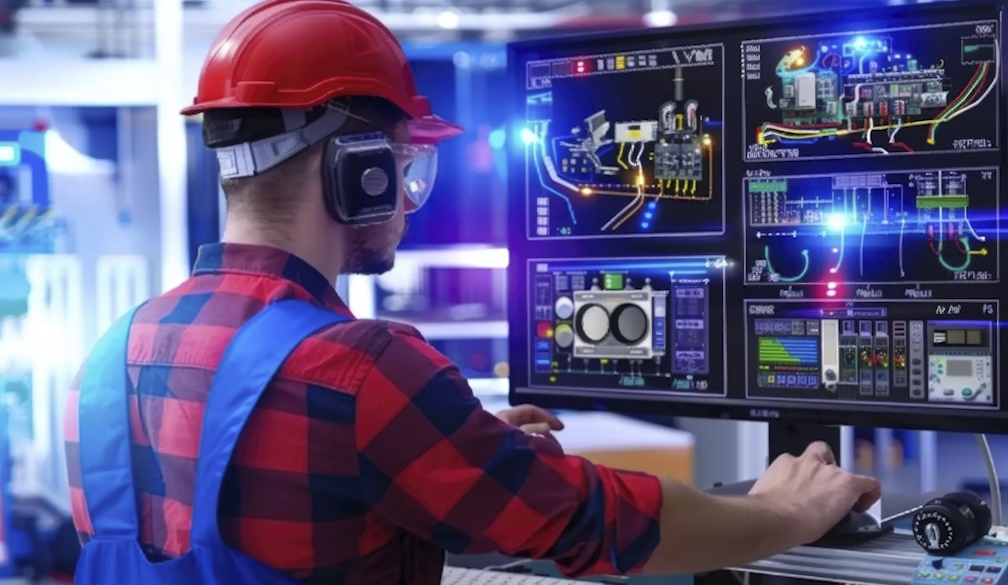
Modern buildings and industrial facilities are increasingly dependent on intelligent control and efficiency. An electric automation system brings together advanced electrical technologies that automate processes, improve safety, and enhance operational performance. Instead of relying on manual intervention, automation systems use programmed controls, sensors, and monitoring tools to manage electrical operations with precision and consistency.
The Role of Electrical Contractors in Melbourne
Implementing automation solutions requires expertise that goes beyond standard electrical work. Experienced electrical contractors Melbourne play a critical role in designing, installing, and maintaining automation systems that align with regulatory standards and project requirements. Their knowledge ensures systems are safe, scalable, and optimised for real-world use.
Electrical contractors with automation expertise understand how different components interact within a system. From control panels and programmable logic controllers to power distribution and safety interlocks, every element must function seamlessly. This level of coordination is essential for achieving reliable automation outcomes.
Why Electric Automation Systems Are in High Demand
The growing complexity of electrical infrastructure has driven demand for automation. Facilities today require systems that can handle variable loads, monitor performance in real time, and respond instantly to faults or changes in demand. Automation systems meet these needs by delivering fast, accurate control across multiple electrical functions.
For businesses, automation improves efficiency by reducing downtime and manual labour. Automated systems can operate continuously, adjust settings automatically, and flag issues before they escalate into costly failures. This proactive approach supports productivity and long-term operational stability.
Applications Across Commercial and Industrial Environments
Electric automation systems are used across a wide range of applications. In commercial buildings, they manage lighting, HVAC systems, energy usage, and access control. Automation ensures these systems operate only when needed, reducing energy consumption and improving occupant comfort.
In industrial settings, automation controls machinery, production lines, and safety systems. Precise control reduces variability, improves product quality, and enhances workplace safety. Automation also allows for better data collection, supporting performance analysis and continuous improvement.
Improving Energy Efficiency and Cost Control
Energy efficiency is a major driver behind the adoption of electric automation systems. Automated controls optimise energy usage by adjusting output based on demand, occupancy, or operating schedules. This prevents unnecessary energy consumption and reduces utility costs.
Electrical contractors design automation systems that integrate energy monitoring tools, allowing facility managers to track usage patterns and identify inefficiencies. Over time, these insights support smarter energy strategies and contribute to sustainability goals.
Safety and Compliance Benefits
Automation systems enhance safety by reducing reliance on manual processes and minimising exposure to electrical hazards. Automated shutdowns, fault detection, and alarm systems respond faster than human intervention, protecting both people and equipment.
Compliance is another important consideration. Electrical contractors ensure automation systems meet Australian standards and industry regulations. Proper design, installation, and documentation provide assurance that systems are compliant and safe to operate over their entire lifespan.
System Integration and Scalability
One of the strengths of modern automation systems is their ability to integrate with existing infrastructure. Electrical contractors assess current systems and design automation solutions that complement rather than disrupt operations. This integration reduces installation complexity and supports smoother transitions to automated control.
Scalability is also a key advantage. Automation systems can be expanded as facilities grow or operational needs change. New equipment, zones, or processes can be added without overhauling the entire system, making automation a future-ready investment.
Reducing Downtime Through Predictive Monitoring
Unexpected electrical failures can cause significant disruption. Automation systems help reduce downtime by monitoring performance indicators and detecting anomalies early. Predictive alerts allow maintenance teams to address issues before they lead to system failure.
This proactive maintenance approach improves reliability and extends the lifespan of electrical assets. Businesses benefit from fewer interruptions and more predictable operations, which is especially valuable in high-demand environments.
Customised Solutions for Different Projects
No two facilities are the same, and automation systems must be tailored accordingly. Electrical contractors work closely with clients to understand operational goals, site conditions, and future plans. This collaboration results in customised automation solutions that deliver practical benefits rather than unnecessary complexity.
From small commercial installations to large-scale industrial projects, tailored automation ensures systems remain efficient, manageable, and aligned with real operational needs.
The Importance of Professional Design and Installation
Automation systems require careful planning and precise execution. Poorly designed systems can lead to inefficiencies, safety risks, and ongoing maintenance challenges. Professional electrical contractors bring technical expertise and project experience that ensure systems are implemented correctly from the outset.
Proper commissioning and testing are essential parts of the process. These steps confirm that automation systems operate as intended and respond correctly to various conditions, providing confidence in system performance.
Ongoing Support and Maintenance
Automation is not a one-time installation. Ongoing support and maintenance are crucial for long-term performance. Electrical contractors provide servicing, updates, and system optimisation to ensure automation systems continue to meet operational demands.
As technology evolves, systems may require updates or enhancements. Professional support ensures these changes are implemented smoothly, keeping systems current and effective.
Future Trends in Electric Automation
Electric automation continues to evolve with advancements in digital technology and connectivity. Integration with data analytics, remote monitoring, and smart infrastructure is becoming increasingly common. These developments allow greater visibility and control over electrical systems, supporting smarter decision-making.
Electrical contractors stay informed about these trends, helping clients adopt technologies that provide real value rather than short-lived novelty. This informed approach ensures automation investments remain relevant and beneficial over time.
Final Thoughts
Electric automation systems are transforming how electrical infrastructure is managed across commercial and industrial environments. By delivering efficiency, safety, and reliability, they support modern operational demands and future growth. With experienced electrical contractors guiding design, installation, and maintenance, automation becomes a powerful tool that enhances performance while reducing risk. For organisations seeking smarter control and long-term value, professional electric automation solutions offer a clear and practical path forward.


















