

Gain Peace Of Mind: The Undeniable Benefits Of A Ready First Aid Kit
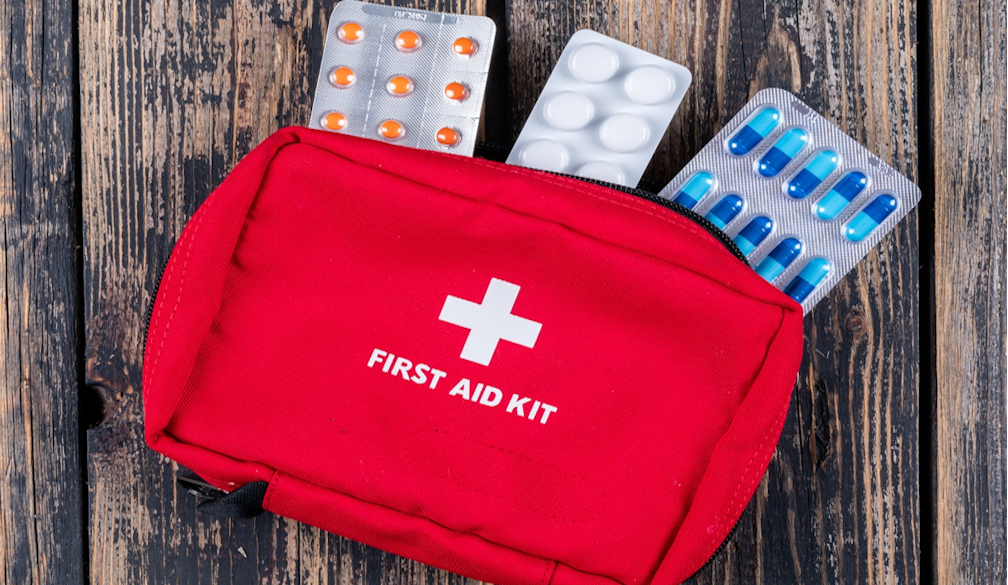
Life in our vibrant communities, whether it's the bustling city or the quiet country town, is full of unexpected moments. From a scraped knee on the playground to a minor burn in the kitchen, small accidents are an inevitable part of daily life. While we can't always prevent these incidents, we can certainly be prepared to handle them effectively.
Having a well-stocked first aid kit isn't just a recommendation; it's an essential preparedness measure that offers immense peace of mind. It empowers you to act quickly and confidently when someone needs immediate attention. This proactive approach can make a significant difference in how a minor injury or illness progresses.
Imagine the calm assurance of knowing you have the right tools to address an emergency right at your fingertips. This article explores the undeniable benefits of keeping a ready supply of comprehensive first aid kits in various settings. We'll delve into why these vital provisions are non-negotiable for homes, workplaces, schools, and even your vehicle.
From preventing minor issues from escalating to providing crucial comfort, the presence of these medical essentials offers a safety net for everyone. Let’s uncover how being prepared can truly transform a stressful situation into a manageable one. Understanding the importance of these kits is the first step towards a safer environment.
Immediate response: The critical first few minutes
When an injury or sudden illness occurs, the moments immediately following the incident are often the most critical. Having a first aid kit readily available allows for an immediate response, which can significantly impact the outcome. Delaying treatment, even by a few minutes, can sometimes worsen a situation or prolong recovery time.
Think about a child falling and grazing their knee during a game of backyard cricket. Without a kit, you might be scrambling for antiseptic wipes, bandages, or even clean water. A ready kit means you can quickly clean the wound, apply a dressing, and soothe their distress, preventing potential infection.
This rapid intervention isn't just about physical treatment; it also provides psychological reassurance to the injured person and those around them. Knowing that help is at hand, and that someone is prepared, can reduce panic and anxiety. It fosters a sense of security during an otherwise unsettling event.
The ability to act decisively and efficiently in those crucial first minutes speaks volumes about preparedness. It highlights the profound value of having immediate access to essential medical supplies. This quick action can prevent minor incidents from becoming major concerns.
Preventing complications: Stopping minor injuries from escalating
Many common injuries, if not treated promptly and correctly, can lead to more serious complications. A simple cut, for instance, can become infected if not cleaned and dressed properly. A minor burn might blister and cause more pain if not cooled and covered immediately.
A well-equipped first aid kit contains the necessary items to address these potential issues head-on. Antiseptic wipes, sterile dressings, and burn gels are all designed to minimise risks. They help to protect the wound from bacteria and promote a cleaner healing environment.
By effectively treating a minor injury at its onset, you significantly reduce the chances of needing further medical attention. This not only saves time and potential discomfort but can also prevent costly visits to the doctor or emergency department. Proactive care is always the best approach.
Having these preventative measures accessible ensures that small problems don't snowball into larger ones. It underlines the kit's role as a frontline defence against everyday health hazards. This foresight is invaluable in maintaining overall well-being.
Versatility for every setting: Tailored safety solutions
The beauty of first aid kits lies in their incredible versatility; they can be tailored to suit almost any environment or potential risk. What you need in a home kit might differ from what's required in a busy office or a vehicle. This customisation ensures maximum effectiveness wherever you are.
For homes, a general-purpose kit with plasters, bandages, pain relief, and antiseptics is usually sufficient for common household mishaps. It covers everything from kitchen accidents to minor falls. A well-placed kit can be a lifesaver during unexpected moments.
Workplaces, however, often require more comprehensive kits that comply with specific work health and safety regulations. These might include items for chemical splashes, larger wound dressings, or even eye wash solutions, depending on the industry. Ensuring compliance is key for employer and employee safety.
Similarly, when considering specialised school first aid kits, there are unique considerations. These kits need to cater to a wide age range of children, address common playground injuries, and sometimes include specific provisions for allergic reactions or asthma attacks. Their design is crucial for student welfare.
Also Read: First Aid Kit For School: Peace Of Mind For Parents And Teachers
Even your vehicle benefits from a compact yet robust kit, ready for roadside emergencies or travel-related incidents. This adaptability means you can always be prepared, no matter where life takes you. It’s about having the right tools for the right situation.
Home first aid kits: Everyday essentials for family safety
For many families, the home is the epicentre of daily life, and thus, a prime location for minor accidents. A well-equipped home first aid kit is an absolute must-have for every household. It acts as a primary defence against the bumps, scrapes, and minor ailments that inevitably occur.
Think about the typical activities at home: cooking, gardening, DIY projects, or children playing. Each carries a risk of minor injury, from cuts and burns to splinters and sprains. Having plasters, antiseptic wipes, pain relievers, and bandages immediately available can make all the difference.
Beyond physical injuries, a home kit can also contain items for common complaints like headaches, stomach upsets, or allergic reactions. Antihistamines, indigestion tablets, and basic pain relief can provide quick comfort and prevent unnecessary trips out. These small comforts are often greatly appreciated.
Educating family members, especially older children, on where the kit is and how to use basic items is also crucial. This collective awareness empowers everyone to contribute to family safety. It’s a shared responsibility that benefits all.
Ultimately, a home first aid kit fosters a sense of security and preparedness within the family unit. It ensures that minor incidents are handled efficiently, allowing family life to continue with minimal disruption. This foundational preparedness is invaluable.
Workplace first aid kits: Meeting compliance and protecting staff
Workplaces, regardless of their size or industry, have a legal and moral obligation to provide a safe environment for their employees. Central to this responsibility is the provision of appropriate first aid facilities, including comprehensive workplace first aid kits. These kits are vital for addressing workplace injuries and illnesses quickly.
Work health and safety regulations often dictate the specific contents and number of first aid kits required based on the nature of the work and the number of employees. Compliance isn't just about avoiding penalties; it's about genuinely caring for staff well-being. Regular audits ensure standards are met.
From office environments where paper cuts and minor falls are common, to construction sites with higher risks of lacerations or sprains, kits need to be tailored. Specialised modules for burns, eye injuries, or snake bites might be necessary in certain industries. Assessing risks guides kit contents.
Beyond the physical kit, having trained first aiders on site is equally important. They can utilise the kit effectively, providing initial care until professional medical help arrives if needed. Training ensures that the supplies are used correctly and confidently.
Investing in quality workplace first aid kits and training demonstrates a commitment to employee safety and well-being. It creates a supportive environment where staff feel valued and protected. This proactive approach contributes to a positive workplace culture.
Emergency preparedness: A cornerstone of resilience
Beyond everyday scrapes and minor burns, first aid kits play a crucial role in broader emergency preparedness. In situations like natural disasters, power outages, or other major incidents, access to professional medical services might be delayed. In these scenarios, a well-stocked kit becomes a lifeline.
Imagine a bushfire or flood event where roads are inaccessible, and emergency services are stretched thin. Being able to treat injuries, manage bleeding, or provide basic care with your own supplies can be invaluable. It reduces reliance on overwhelmed external resources.
Having a robust emergency first aid kit, perhaps with a few extra supplies like emergency blankets or a torch, is a cornerstone of household resilience. It empowers individuals and families to be self-sufficient during challenging times. This self-reliance is a powerful asset.
This level of preparedness extends to community resilience too. When more households are equipped, the overall burden on emergency services during a crisis is lessened. It allows them to focus on more severe cases, improving outcomes for everyone.
Therefore, viewing first aid kits not just as convenience items but as essential components of emergency planning is vital. They represent a tangible investment in personal and community safety. This foresight makes a real difference when it counts most.
Peace of mind: Knowing you're ready for anything
Perhaps one of the most significant, yet often intangible, benefits of having a ready first aid kit is the profound sense of peace of mind it provides. In a world full of uncertainties, knowing you are prepared for minor medical emergencies offers a quiet confidence. This feeling is truly invaluable.
Parents, in particular, understand this feeling deeply. A kit means less worry about playground tumbles or kitchen mishaps, knowing you can quickly attend to your little ones. This preparedness frees up mental space, allowing you to focus on enjoying life.
For employers, it translates into confidence that they are meeting their duty of care and protecting their staff. For adventurers, it means being ready for the unexpected when out exploring the bush or enjoying a camping trip. It's about mitigating risks proactively.
This peace of mind isn't just for the moment of an incident; it's a constant, underlying assurance that permeates daily life. It allows you to feel more secure in your home, workplace, and travels. Such security is a fundamental human need.
Ultimately, a first aid kit is more than just a box of supplies; it's a symbol of readiness, responsibility, and care. It’s an investment in your well-being and the well-being of those around you. The psychological comfort it brings is truly immeasurable.
Promoting faster recovery: Aiding the healing process
The immediate and correct application of first aid can significantly promote a faster and more complete recovery from injuries. Proper wound care, for example, minimises the risk of infection, which can otherwise delay healing and lead to more severe complications. This initial attention is crucial.
Items like sterile dressings, adhesive bandages, and antiseptic solutions create an optimal environment for the body to heal itself. They protect the injured area from external contaminants while allowing it to breathe. This thoughtful care accelerates the natural healing process.
Furthermore, pain relief and anti-inflammatory medications found in many kits can help manage discomfort, allowing the injured person to rest more comfortably. This rest is essential for the body's repair mechanisms to work effectively. Comfort is a key part of recovery.
For sprains or strains, compression bandages and cold packs can reduce swelling and provide support, aiding in quicker rehabilitation. These simple tools, when applied correctly, prevent further injury and facilitate a smoother recovery journey. They are an essential part of the healing arsenal.
By providing immediate, appropriate care, a first aid kit acts as a vital catalyst in the recovery process. It empowers individuals to take control of their healing from the very first moment of injury. This empowerment fosters better health outcomes.
Reducing severity: Minimising the impact of accidents
One of the most profound benefits of having a first aid kit is its ability to reduce the overall severity of an accident. What might start as a minor incident can quickly escalate if not managed correctly in its initial stages. A ready kit provides the means to prevent this escalation.
Consider a deep cut: immediate pressure with a sterile dressing from a kit can control bleeding, potentially preventing significant blood loss. Without these supplies, improvisation might be necessary, which could be less effective or even unhygienic. Speed and precision in applying the correct first aid technique are paramount in such situations. A sterile environment for wound care, easily achievable with the contents of a well-stocked kit, drastically reduces the risk of infection, which can complicate even a minor wound and lead to more serious health issues. Consider the potential for infection. A simple scrape or cut, if not properly cleaned and covered, can become infected. This can lead to cellulitis, a bacterial skin infection that can spread rapidly, or even more severe conditions like tetanus if the wound is deep and contaminated.
A first aid kit provides antiseptic wipes, sterile saline solution for irrigation, and various dressings and bandages to effectively clean and protect wounds, thereby preventing such complications. This proactive approach not only saves individuals from unnecessary pain and suffering but also reduces the burden on healthcare systems by preventing preventable hospital visits. Similarly, for minor burns, immediate application of cool water and then a sterile, non-stick dressing from a first aid kit can prevent further tissue damage and reduce blistering. Without these supplies, the burn might be left exposed or improperly treated, leading to a higher risk of infection, increased pain, and a longer healing time. The ability to act swiftly with the right tools can make the difference between a minor inconvenience and a more severe injury requiring professional medical attention. The reduction in severity extends beyond immediate physical harm. By effectively managing injuries at their onset, first aid kits help prevent minor incidents from escalating into situations with long-term complications. For instance, an untreated sprain might lead to chronic joint instability, or a poorly managed wound could result in significant scarring or nerve damage. The appropriate support, compression, and wound care provided by a first aid kit are crucial in promoting optimal healing and minimizing the chances of lasting adverse effects, ensuring a quicker and more complete return to normal activities.
Providing psychological comfort and confidence
Beyond the tangible physical benefits, a first aid kit offers significant psychological advantages for both the injured person and the rescuer. Knowing that help is readily available, even in a minor capacity, can significantly reduce anxiety and panic in an emergency situation. For the injured individual, seeing someone competently administer first aid with appropriate tools provides reassurance and a sense of security, which can be crucial for maintaining calm and cooperating with treatment.
For the person administering first aid, having a well-equipped kit instils confidence. It removes the stress of improvisation and ensures they have the necessary supplies to provide effective care. This preparedness empowers individuals to act decisively and compassionately, knowing they are doing their best for the injured party. In turn, this confidence can lead to more effective treatment and better outcomes, fostering a positive cycle of readiness and response. The presence of a kit transforms a potentially chaotic situation into one where calm, controlled action is possible, benefiting everyone involved.



















