

From Assistance to Independence: Progression in Daily Living Skills
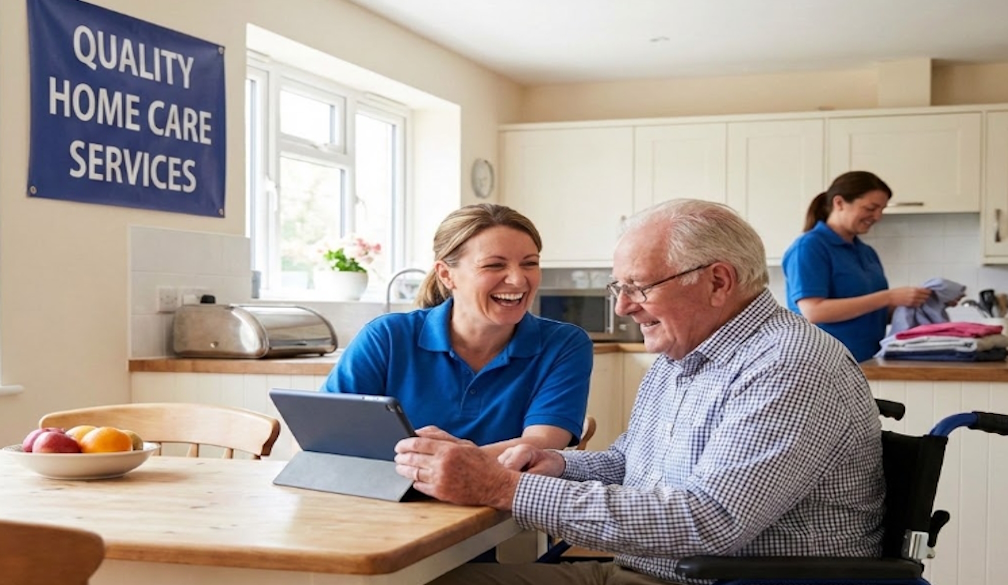
The ultimate goal of many support systems is to empower individuals to lead lives defined by autonomy and self-reliance. While some support requirements are permanent, many aspects of daily life offer opportunities for skill development. Moving from a state of total reliance on others to a position of independence is a journey that requires patience, a structured plan, and the right environment.
By focusing on incremental milestones, individuals can gain the confidence needed to manage their own routines and participate more fully in their communities.
The Foundation of Skill Acquisition
Independence does not happen overnight. It begins with identifying specific tasks that an individual feels motivated to master. Professional home care disability services play a vital role here, shifting the focus from "doing for" a person to "doing with" them.
The progression typically follows a three-stage framework:
- Active Assistance: A support worker performs the task while explaining the steps, allowing the individual to observe and learn the logic behind the routine.
- Partial Participation: The individual takes over specific parts of the task. For example, during meal preparation, they might handle the washing and sorting of ingredients while the support worker manages the cooking.
- Supervised Independence: The individual performs the entire task while a support worker remains nearby to offer guidance or ensure safety if needed.
Core Pillars of Daily Autonomy
To build a truly independent life, several key areas of daily living are prioritised. Mastering these pillars reduces the need for constant oversight and increases a person's sense of agency.
Personal Care and Health Management
Learning to manage personal hygiene, dressing, and medication schedules is often the first step toward self-confidence. This includes the use of assistive technology or simplified routines that make these tasks manageable without external help.
Household Management
Maintaining a living space involves a complex set of skills, from laundry and cleaning to basic home safety. Support workers help break these down into repeatable habits. This ensures the home remains a safe and comfortable environment that the individual feels proud to maintain.
Nutritional Independence
Cooking is about more than just following a recipe. It involves meal planning, grocery shopping on a budget, and understanding food safety. Gaining these skills allows a person to make their own choices about what they eat and when.
Navigating the World Beyond the Home
True independence extends past the front door. A significant part of home care disability services involves building "community mobility." This might include learning to use public transport, navigating local shops, or managing social interactions in public spaces.
These skills are vital for reducing social isolation. As an individual becomes more comfortable navigating their neighbourhood, they open up opportunities for employment, volunteering, and building a social network that exists independently of their formal support system.
The Psychological Impact of Mastery
There is a profound psychological shift that occurs when a person masters a new skill. It replaces a "learned helplessness" with a sense of "self-efficacy"—the belief in one’s own ability to succeed. Every small victory, such as making a phone call to book an appointment or successfully completing a grocery shop, reinforces this belief.
This confidence often spills over into other areas of life. A person who feels in control of their morning routine is more likely to pursue long-term goals, such as further education or moving into a more independent living arrangement.
A Collaborative Path to Growth
The transition toward independence is a collaborative effort between the individual, their family, and their support team. It requires a balance of encouragement and the freedom to make mistakes in a safe environment. By utilizing structured home care disability services, families can ensure that their loved ones are not just being looked after, but are being actively prepared for a more autonomous future.
Independence is not a final destination, but a continuous process of learning and adapting. With the right support and a focus on personal goals, the path from assistance to self-reliance becomes a clear and achievable reality.



















