

The Everyday Wear and Tear Most Warehouse Storage Systems Experience
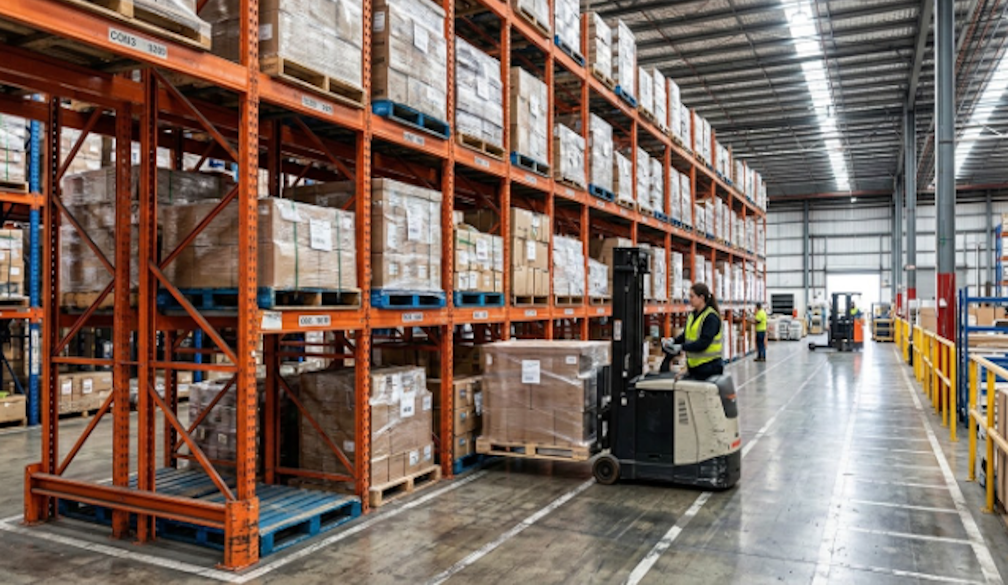
The modern warehouse is a dynamic, high velocity environment where industrial storage structures are subjected to immense, continuous physical stress. Day in and day out, large commercial facilities manage the movement of thousands of tonnes of inventory, relying entirely on heavy duty steel frameworks to safely support massive vertical payloads. Because these storage systems are designed to hold heavy pallets far above the ground, it is easy to view them as permanent, indestructible fixtures. However, like any mechanical structure operating under continuous load, industrial steel configurations experience ongoing degradation from daily operational activities, environmental shifts, and structural fatigue.
Understanding the subtle ways a storage layout loses structural integrity over time is essential for preventing catastrophic collapses and maintaining a safe workspace. The primary catalyst behind early racking wear is the constant interaction between heavy material handling equipment and the stationary steel frames. Forklifts, reach trucks, and stock pickers operate in tight aisles, often reversing and turning with minimal clearance margins. Even the most highly trained and cautious equipment operators will occasionally misjudge a turning radius or misalign a pallet during high level placement, resulting in low speed impacts that compromise the vertical uprights.
The Hidden Impact of Machinery Collisions
When a multi tonne forklift clips the base of a steel vertical support, the kinetic energy deforms the metal profile, creating a localised buckle or dent. While a single minor dent near the floor might appear cosmetically insignificant, it fundamentally alters how the vertical weight load is distributed through the steel. Industrial columns are engineered to bear immense weight when perfectly plumb and straight, but a localised bend causes the compression forces to push outward against the weakened metal wall, drastically reducing the overall load bearing capacity of the entire bay.
Beyond direct physical impacts from machinery, the simple act of loading and unloading pallets introduces ongoing friction and stress to the horizontal beams and safety connectors. When a heavy pallet is lowered too quickly onto a pair of beams, the sudden shock load forces the horizontal steel to flex and deflect. Over months and years of repetitive loading cycles, this continuous flexing can lead to micro fracturing along the weld lines and permanent structural deflection, where the beams fail to return to their original flat profile even when completely empty. Furthermore, if pallets are scraped across the beams during retrieval, the safety clips designed to lock the beams into the upright columns can become loose, broken, or completely dislodged, leaving the horizontal levels vulnerable to accidental upward displacement by a forklift mast.
Environmental Stress Factors and Structural Corrosion
Environmental conditions within a logistics facility also play a silent, destructive role in accelerating storage system degradation. Changes in ambient humidity, exposure to industrial chemical cleaners, or operating in cold storage and freezer environments can gradually compromise the protective surface finishes of the steel. Once the factory powder coating or galvanised layer is scratched or worn away by daily pallet friction, the underlying raw steel is exposed to moisture and oxygen, initiating the oxidation process. Surface rust can rapidly transition into deep structural corrosion, eating away at the thickness of the baseplates, floor fixings, and lower frame bracing, silently hollowing out the structural foundation of the facility.
Fluctuations in inventory profiles and warehouse management practices can further compound these physical wear patterns. As businesses scale or adapt to changing supply chain demands, the physical dimensions and weight distributions of incoming stock often vary. Placing a dense, ultra heavy pallet onto a higher beam tier that was originally rated for lightweight, bulky goods creates an immediate overload condition. This mismatched weight distribution places immense strain on the upper frame bracing and floor anchors, accelerating material fatigue and increasing the risk of a progressive structural failure, where the collapse of a single weakened beam triggers a domino effect across the entire warehouse floor.
The Importance of Meeting Compliance Standards
Because the structural degradation of industrial storage systems occurs gradually underneath thousands of tonnes of active stock, identifying critical weak points before they lead to a workplace disaster requires structured, professional oversight. Warehouse managers cannot rely on casual glances or untrained internal visual checks to guarantee safety compliance. Investing in regular, independent pallet racking inspections ensures that structural tolerances, plumb lines, floor anchor torques, and connection integrity are measured precisely against modern Australian safety standards, particularly AS 4084.
Ultimately, proactive asset management means treating your industrial storage layout with the same mechanical respect as your vehicle fleet or production machinery. By understanding the harsh realities of everyday warehouse wear and tear, and pairing that awareness with certified independent audits, you can address hidden steel structural deformities early. This disciplined approach eliminates unnecessary operational risks, ensures full compliance with workplace health and safety legislation, protects your inventory assets, and creates a secure, resilient foundation for your daily supply chain operations.


















