

Why I/O Controller Is Essential For Efficient Industrial Automation Systems
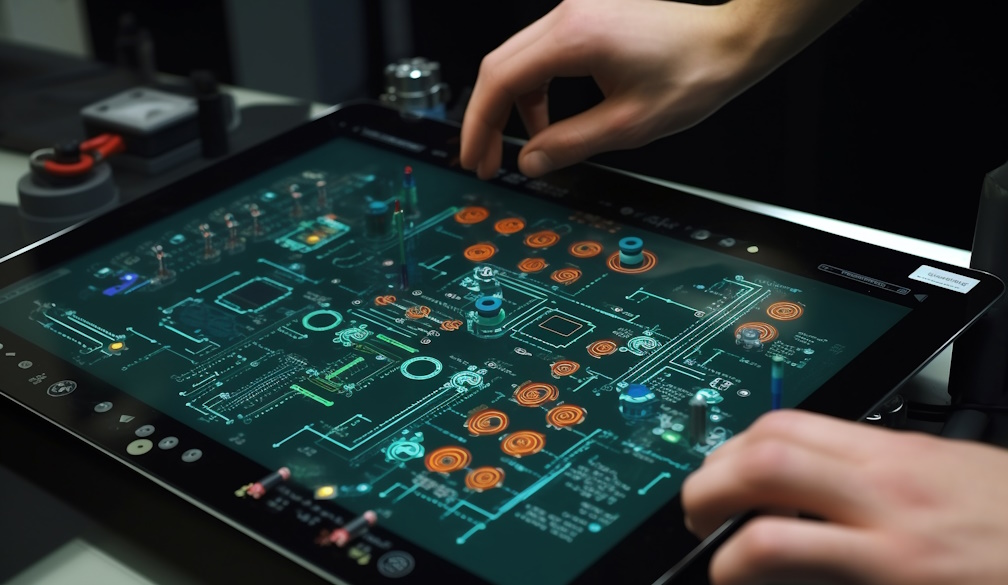
Modern industrial systems rely heavily on automation and precise data exchange, which is why an I/O controller plays a critical role in ensuring smooth and efficient operations. In automated environments, machines and systems must communicate seamlessly, processing inputs and delivering outputs in real time. I/O controllers act as the central interface that enables this communication between field devices and control systems.
As industries continue to move towards digitalisation and smart systems, the importance of reliable input/output management becomes more significant. I/O controllers provide the infrastructure needed to collect, process, and transmit data, ensuring that systems operate with accuracy and consistency.
Understanding The Role Of I/O Controllers In Automation
An I/O controller functions as a bridge between sensors, actuators, and control units. It receives signals from input devices such as sensors and converts them into data that can be processed by control systems. Similarly, it sends commands from the control system to output devices, enabling actions such as movement, switching, or regulation.
This continuous exchange of data ensures that systems respond to changes in real time. Without an efficient I/O controller, communication between components would be limited, affecting overall system performance.
Key Components Of An I/O System
An I/O system typically consists of input modules, output modules, and a central controller. Input modules collect data from sensors, while output modules execute commands by controlling actuators or other devices. The I/O controller coordinates these processes, ensuring that data flows smoothly between components.
Each component must be designed to handle specific types of signals, such as digital or analog inputs. This ensures compatibility with different devices and applications, making the system adaptable to various operational requirements.
Enhancing System Efficiency Through Real-Time Data Processing
One of the primary advantages of I/O controllers is their ability to process data in real time. This allows systems to respond quickly to changes in operating conditions, improving efficiency and reducing the risk of errors.
Real-time data processing is particularly important in industries where precision is critical. By ensuring that data is transmitted and processed without delay, I/O controllers help maintain consistent performance and reliability.
Applications Across Industrial Sectors
I/O controllers are used in a wide range of industries, including manufacturing, energy, and process automation. In manufacturing, they control machinery and production lines, ensuring that operations run smoothly. In energy systems, they monitor and regulate equipment to maintain efficiency.
Process industries such as chemical and oil processing also rely on I/O controllers to manage complex systems. Their ability to handle large volumes of data makes them essential for maintaining operational stability.
The Importance Of Reliability And Durability
Industrial environments often involve challenging conditions such as high temperatures, vibrations, and exposure to dust or moisture. I/O controllers must be designed to withstand these conditions while maintaining performance.
Durability ensures that the system can operate continuously without failure. Reliable I/O controllers reduce downtime and maintenance requirements, contributing to overall operational efficiency.
Integration With Advanced Control Systems
Modern I/O controllers are designed to integrate with advanced control systems, including programmable logic controllers (PLCs) and distributed control systems (DCS). This integration allows for more sophisticated automation and improved system coordination.
By connecting with these systems, I/O controllers enable centralised monitoring and control. This enhances visibility and allows operators to manage processes more effectively.
Scalability And Flexibility In System Design
Scalability is an important feature of I/O controllers, allowing systems to expand as operational requirements grow. Additional modules can be added to accommodate new devices or processes, ensuring that the system remains adaptable.
Flexibility also enables I/O controllers to be used in different applications, making them a versatile solution for various industries. This adaptability supports long-term operational needs.
Maintenance And System Longevity
Proper maintenance is essential for ensuring the longevity of I/O controllers. Regular inspections help identify potential issues such as signal disruptions or hardware wear. Addressing these issues early helps maintain system performance.
Preventive maintenance practices contribute to extended equipment lifespan and reduce the likelihood of unexpected failures. This ensures that the system continues to operate efficiently over time.
Conclusion
I/O controllers are a fundamental component of modern industrial automation systems, enabling seamless communication between devices and control units. By providing real-time data processing, reliability, and scalability, they support efficient and consistent operations across various industries. Proper selection, integration, and maintenance ensure that I/O controllers deliver long-term performance and contribute to overall system success.


















