

DIY Guide to Replacing Small Parts in Your Laundry Machine
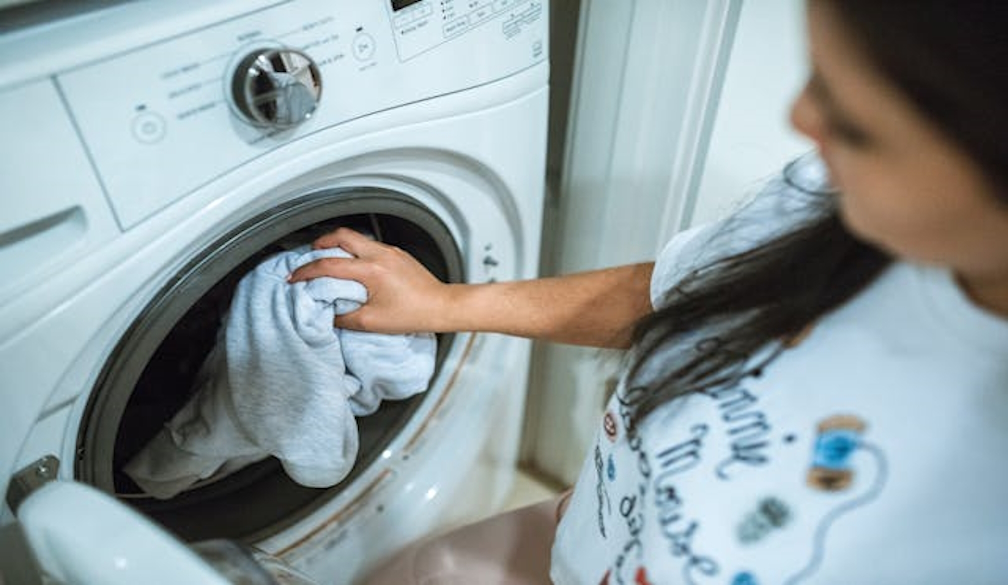
Finding a puddle or a broken washer is frustrating, but you don’t always need a professional. Many common issues are caused by tiny parts that are cheap and easy to fix yourself. Taking care of your own appliances is a great way to save money and gain confidence. Just like a community project, your home runs better when you understand how things work. This guide helps you find the right parts to keep your machine in great shape.
Safety First and Getting Your Tools Ready
Before you start, you must think about safety. This is the most important part of any home project. Always unplug your machine from the wall and turn off the water valves. Working with water and electricity can be dangerous if you aren't careful. Once the power is off, gather a few basic tools:
- A Phillips head and flat-head screwdriver.
- A pair of pliers.
- A bucket and some old towels to soak up water.
- A small tray to keep track of your screws.
Having everything ready before you begin makes the job much easier. If you feel stuck, take a deep breath and look at the manual that came with your machine. It is there to help you.
How to Spot a Broken Part
How do you know what is wrong? Usually, your machine will give you a clue. If the water keeps running, the inlet valve might be stuck. If the door won't lock, the latch is probably broken. Most "small" failures are just parts like belts or filters that have worn out over time.
By listening to the sounds of your machine, you can find the problem. A loud squealing noise usually means a belt is loose. A rattling sound might just be a coin stuck in the filter. Catching these small issues early prevents them from turning into big, expensive disasters later on.
Finding the Right Washing Machine Parts
Once you know what is broken, you need to find a new part. The world of washing machine parts is actually very easy to navigate. Every machine has a "model number" on a sticker, usually inside the door or on the back. You must use this number to make sure the new part fits perfectly.
Buying washing machine parts is much cheaper than buying a whole new washer. Here are a few tips:
- Look for Kits: Some parts come with the glue or clips you need to finish the job.
- Read Reviews: Other people often leave helpful tips about how to install the part.
- Compare Prices: Check a few online stores to get the best deal.
- Keep Your Receipt: Just in case the part isn't the right one, you can return it easily.
Fixing Door Seals and Latches
The rubber seal around the door often gets torn or mouldy. To fix it, you usually have to remove a wire spring that holds the rubber in place. It might look tricky, but it is just like a big rubber band. Pull the old seal off, clean the area, and tuck the new one into the groove.
Latches are even easier to fix. They are usually held in by two screws. Just unscrew the old one, unplug the wire, and plug the new latch in. These small wins feel great! Once the new part is in, close the door to make sure it clicks. These simple steps stop leaks and help your machine start every time.
Testing Your Machine and Keeping it Healthy
After you finish the repair, you need to test it. Plug the machine back in and turn the water on. Run a short cycle with no clothes inside. Stay in the room for a few minutes to watch for leaks. If it stays dry and sounds quiet, you did a great job!
To keep your machine running well for a long time, remember these habits:
- Leave the door open after a wash to let it dry out.
- Clean the drain filter every few months so it doesn't get clogged.
- Don't put too many clothes in at once, as this can break the belt.
Be the Expert of Your Own Home
You don't have to wait for a professional to fix your laundry room. By learning how to replace small parts, you are taking control of your home and your budget. It feels wonderful to hear your machine working again because of your own hard work. Every small fix you do makes you more confident for the next project.


















