

Understanding All on 4 Dental Implants and Their Benefits for Full Mouth Restoration
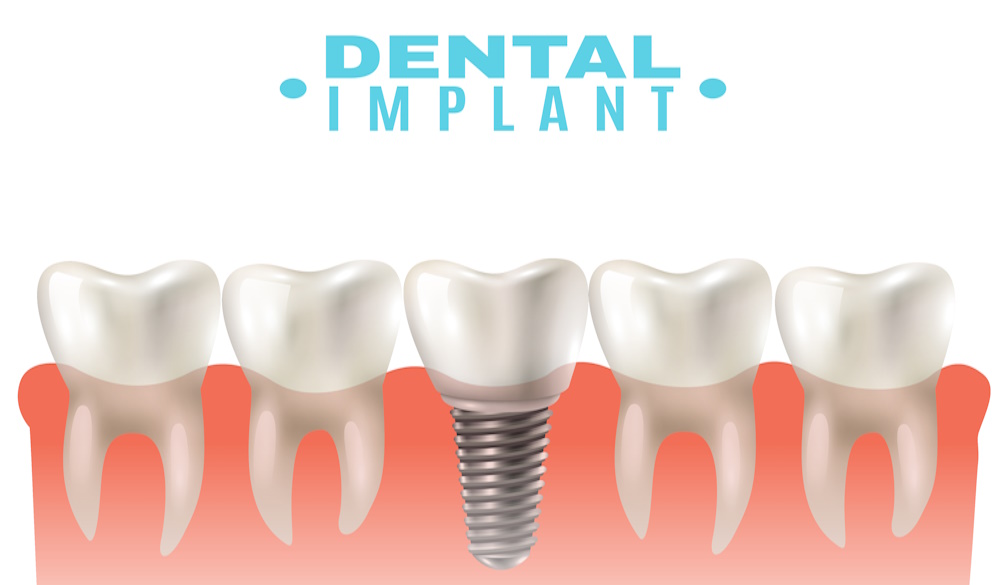
Tooth loss can affect daily life in many ways, including chewing difficulties, speech problems, facial changes, and reduced confidence. Modern dentistry now offers a more secure and long-lasting option through All on 4 Dental Implants. This treatment provides a full arch of replacement teeth supported by four strategically placed implants, offering improved comfort, function, and appearance compared to removable dentures.
The concept behind this treatment focuses on using the available bone more efficiently. Instead of placing an implant for each missing tooth, the implant dentist places four implants at specific angles to support a full set of teeth. This approach often eliminates the need for bone grafting, making the procedure suitable for many patients who may have experienced bone loss.
How All on 4 Dental Implants Work
The process begins with a detailed assessment that includes examinations and imaging to evaluate bone structure and oral health. The implants are placed in positions where the bone is strongest, often at the front of the jaw and angled toward the back. This creates a stable foundation capable of supporting a full arch of prosthetic teeth.
Once the implants are placed, a temporary set of teeth is often attached on the same day. This allows patients to leave the clinic with a functional smile while the implants integrate with the jawbone. Over the next few months, the bone fuses with the implants, creating a strong and durable connection. After healing is complete, a custom-made final prosthetic is attached, providing a natural appearance and comfortable function.
Who Can Benefit From This Treatment
This solution is often recommended for individuals who have lost most or all of their teeth, struggle with loose dentures, or experience significant dental problems. It is also suitable for those who want a fixed option that does not require adhesives. Patients who have difficulty chewing or feel embarrassed about their smile may find this treatment life-changing.
People with weakened jawbones may still qualify because the method avoids areas with low bone density. However, certain health conditions, such as uncontrolled diabetes or severe gum disease, may require treatment before proceeding. A careful evaluation ensures the best outcome and long-term success.
Advantages Over Traditional Dentures
One of the most appreciated benefits is stability. Traditional dentures may shift or move while eating or speaking, creating discomfort and insecurity. This implant-supported option stays firmly in place, allowing patients to enjoy a wider range of foods without worry.
Comfort is another key advantage. Because the prosthetic is fixed to implants rather than resting on the gums, irritation and sore spots are greatly reduced. Many patients report feeling more natural when speaking and chewing.
Bone preservation is an important factor as well. When teeth are missing, the jawbone begins to shrink due to a lack of stimulation. Traditional dentures do not prevent this, but implants stimulate the bone in a similar way to natural roots, helping maintain facial structure and preventing a sunken appearance.
Appearance also improves. The final prosthetic is designed to look natural and suit the patient’s facial features. This can greatly enhance confidence in social and professional settings.
The Treatment Process
The journey begins with consultation and planning. The dental team evaluates medical history, bone structure, and oral condition to determine suitability. Digital scans and imaging help create a precise treatment plan.
On the day of surgery, the implants are placed under local anaesthesia, and temporary teeth are attached. This immediate improvement allows patients to function normally right away. Healing takes place over several months as the bone integrates with the implants.
Once healing is complete, the temporary prosthetic is replaced with a durable and customised final set of teeth. This final stage ensures proper fit, comfort, and aesthetic appeal.
Care and Maintenance
Although the prosthetic cannot decay, the surrounding gums and bone require proper hygiene. Brushing twice daily, cleaning around the implants, and maintaining regular dental visits help prevent inflammation and infection.
Professional cleaning is important to ensure long-term success. Dentists may recommend special cleaning tools to reach areas under the prosthetic. Keeping the mouth clean helps avoid complications such as peri-implantitis, a condition that affects the tissues around implants.
Avoiding habits like smoking, chewing ice, or grinding teeth supports implant longevity. For individuals who grind during sleep, a nightguard may be recommended.
Possible Risks and Considerations
As with any surgical procedure, risks exist. These may include infection, healing complications, or implant failure, though such issues are rare when the procedure is performed by experienced professionals. Bone quality and general health also affect success rates.
Clear communication with the dental team helps patients understand expectations and prepare for recovery. Follow-up appointments play an important role in monitoring progress and addressing concerns.
Why Many Patients Choose This Option
The combination of stability, natural appearance, and improved function makes this treatment appealing. It allows individuals to regain the ability to speak clearly, enjoy a wider variety of foods, and smile with confidence. The fixed design means no adhesives or daily removal routines, making it more convenient and comfortable.
For many, the emotional impact is just as significant as the physical benefits. Restoring a full smile can greatly improve self-esteem and overall quality of life.
Choosing the Right Dental Professional
Experience matters when selecting a provider. Proper evaluation, precise implant placement, and customised prosthetic design contribute to long-term success. A skilled professional will explain each step clearly, answer questions, and provide ongoing support.
Follow-up care ensures proper healing and continued function. Choosing a trusted clinic helps patients feel comfortable and confident throughout the process.
Conclusion
This implant-supported solution offers an effective and reliable option for individuals seeking full mouth restoration. It provides stability, comfort, natural appearance, and improved oral function. With proper care and professional guidance, the results can last for many years, supporting both health and confidence.



















