

Mat Pilates vs Reformer Pilates: What’s Better for Strength, Mobility, and Control?
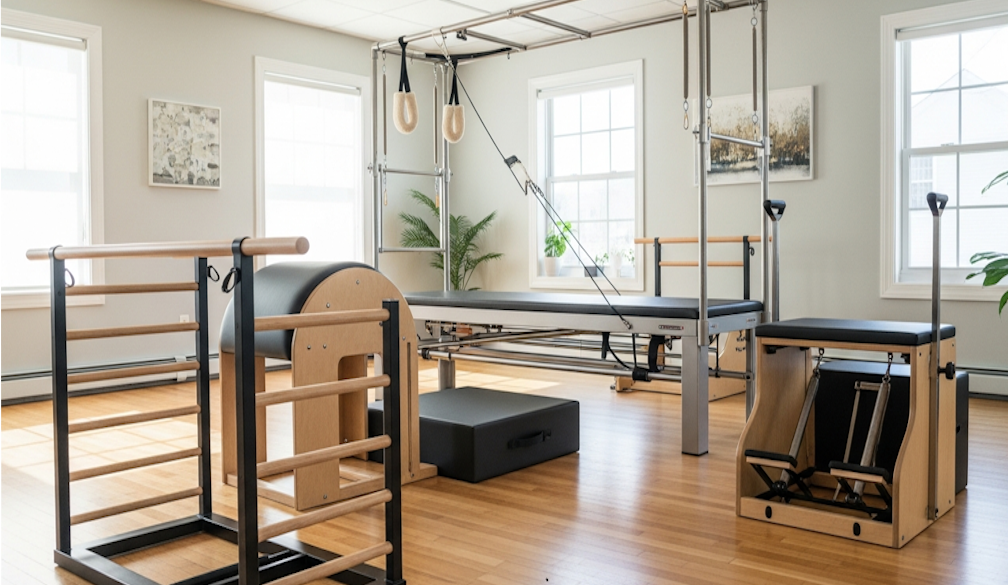
Pilates has surged in popularity across Australia, and for good reason—it delivers a rare combination of strength, mobility, control, and mindful movement. But if you’re new to the practice, you may be wondering whether Mat Pilates or Reformer Pilates offers the better workout. While both styles share the same foundations, the experience can feel vastly different. Many people start with mat work before progressing to equipment like pilates reformer beds, while others jump straight into machine-based classes for deeper resistance and precision support.
Understanding how each method works—and what they’re best suited for—can help you choose the style that aligns with your fitness goals.
What’s Mat Pilates?
Mat Pilates is the most traditional form of the practice, relying solely on your bodyweight and sometimes small props like bands, rings, or light hand weights. Although it may appear simple, it demands control, coordination, and deep core activation.
Key Benefits of Mat Pilates
Strengthening through bodyweight resistance
Mat Pilates challenges your stabilising muscles, particularly the deep abdominal muscles (the “powerhouse”), glutes, and postural muscles. The lack of external resistance means your body works harder to control each movement.
Improved mobility and flexibility
Many mat exercises involve lengthening and articulating through the spine, hips, and shoulders, helping to unwind stiffness and improve everyday mobility.
Accessible anywhere
All you need is space and a mat—making it ideal for home workouts, travel, or beginners easing into Pilates at their own pace.
A strong foundation for progression
Because Mat Pilates emphasises precision and alignment, it’s an ideal starting point before transitioning into more advanced or equipment-based styles.
What’s Reformer Pilates?
Reformer Pilates uses a spring-loaded carriage to add resistance and support to your movements. This equipment allows for a wider range of exercises and modifications, making it suitable for both beginners and experienced practitioners.
Key Benefits of Reformer Pilates
Adjustable, targeted resistance
Springs allow you to increase or decrease load depending on your strength and goals. This is invaluable for building muscle endurance, especially in the legs, glutes, and core.
Enhanced control and precision
The Reformer’s moving carriage requires controlled, deliberate movement. This builds superior proprioception—your sense of where your body is in space.
Greater joint support
Because the Reformer guides your movement path, it’s excellent for people recovering from injuries or managing joint pain. The machine encourages proper alignment while reducing unnecessary strain.
Increased exercise variety
From strength work to stretching, balance training, and coordination, the Reformer offers hundreds of exercise variations, keeping workouts dynamic and engaging.
Which Is Better for Strength?
If your main goal is strength development, Reformer Pilates generally has the edge. The spring system allows you to progressively increase resistance—much like strength training—while maintaining the functional, full-body focus that Pilates is known for.
That said, Mat Pilates can still be incredibly strengthening, especially for the core. Advanced mat work requires tremendous control and muscular endurance.
Best for strength: Reformer Pilates, thanks to its adjustable resistance.
Which Is Better for Mobility?
Both formats support mobility, but in different ways.
Mat Pilates helps you articulate through the spine and move freely through major joints without external support. This improves natural range of motion and body awareness.
Reformer Pilates enhances mobility through assisted stretching and movements guided by the carriage, straps, and springs. It’s especially beneficial for people with stiffness or injuries because the machine supports proper form.
Best for mobility: Both, depending on personal preference—Reformer offers more assistance, Mat offers more natural control.
Which Is Better for Control and Precision?
While Mat Pilates builds foundational control, Reformer Pilates typically allows for greater precision. The machine helps you feel where your body is working—and where it’s not—making subtle misalignments easier to correct.
The added feedback from ropes, springs, and the moving carriage supports deeper mind-body connection.
Best for control: Reformer Pilates, with its enhanced feedback and stability tools.
So, Which One Should You Choose?
The “better” option depends on your goals:
- Choose Mat Pilates if you want:
- a cost-effective, accessible option
- to build deep core strength and bodyweight control
- a foundational practice you can do anywhere
- Choose Reformer Pilates if you want:
- adjustable resistance for strength gains
- extra support for injuries or joint issues
- diverse, dynamic movement patterns
- more precision and targeted training
In truth, the best approach is often a combination of both. Mat Pilates builds pure strength, balance, and endurance, while Reformer sessions refine technique, add challenge, and improve movement quality. Together, they create a balanced, total-body method suitable for all fitness levels.



















