

Signs Your Roof Is Nearing the End of Its Lifespan
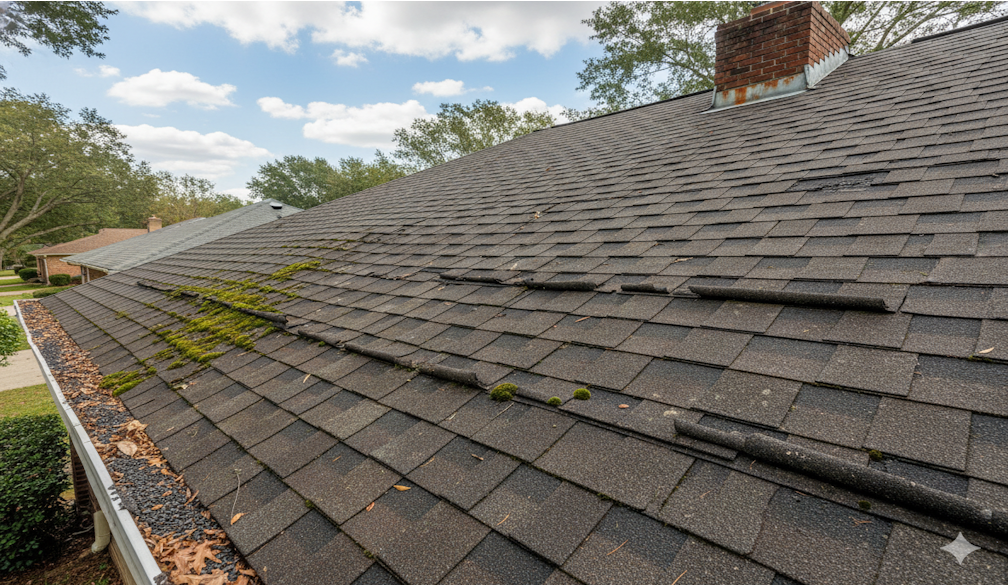
Your roof is one of the hardest-working components of your home. It shields you from scorching summer heat, torrential rain, coastal salt spray and everything in between. But like any part of a building, it won’t last forever.
Understanding the warning signs of an ageing roof can help you act early—before minor wear turns into structural damage, mould growth or costly internal repairs. If you’re unsure about your roof’s condition, experienced professionals like A.I Gutter & Roofing can assess its integrity and recommend the most practical next steps.
Here are the most common signs that your roof may be nearing the end of its lifespan.
Your Roof Is 15-30+ Years Old
Age alone doesn’t always mean failure—but it’s a strong indicator. In Australia, typical lifespans include:
- Concrete tiles: 20–30 years (longer with proper maintenance)
- Terracotta tiles: 30–50+ years
- Metal roofing (Colorbond or similar): 20–40 years
- Asphalt shingles (less common in Australia): 15–25 years
If your roof is approaching or exceeding these benchmarks, it’s wise to organise a professional inspection—even if there are no obvious leaks yet.
Frequent or Recurring Leaks
A single leak after a major storm may not mean total roof failure. However, repeated leaks in different areas often indicate widespread deterioration. Watch for:
- Water stains on ceilings or walls
- Bubbling paint or plaster
- Damp insulation in the roof cavity
- Mould or musty odours
If repairs are becoming more frequent, replacement may be more cost-effective than ongoing patchwork fixes.
Cracked, Broken or Dislodged Tiles
For tiled roofs, physical damage is one of the clearest warning signs. Common issues include:
- Cracked or chipped tiles
- Slipped or displaced tiles after storms
- Excessive moss or lichen growth
- Worn ridge capping mortar
While replacing a few tiles is normal maintenance, widespread tile failure suggests the roof system as a whole may be deteriorating.
Rust, Corrosion or Flaking on Metal Roofs
Metal roofs are durable—but not invincible. Look for:
- Rust spots or surface corrosion
- Flaking or peeling protective coatings
- Loose or corroded fasteners
- Visible holes or thinning metal sheets
In coastal regions especially, salt exposure can accelerate corrosion. Once rust penetrates deeply, structural integrity may be compromised.
Sagging Roof Lines
A roof should appear straight and level along its ridgeline. If you notice sagging or dipping sections, this may indicate:
- Structural timber decay
- Long-term water damage
- Excess weight from accumulated debris
- Foundation or framing issues
Sagging is never a cosmetic issue—it’s a structural concern that requires urgent attention.
Excessive Granules or Debris in Gutters
If you have a metal roof, you may notice paint flakes. With other materials, you might see fragments collecting in gutters. For tiled roofs, look for:
- Crumbling mortar
- Small tile fragments
- Sand-like debris
This can signal material breakdown, especially if combined with other signs of ageing.
Higher Energy Bills
An ageing roof can impact insulation performance and ventilation. If you’ve noticed:
- Rising cooling costs in summer
- Greater heat loss in winter
- Uneven indoor temperatures
…it may not just be your insulation. Deteriorating roofing materials can allow air transfer and reduce thermal efficiency.
Daylight Visible in the Roof Cavity
If you can safely access your roof cavity, look upward during daylight hours. Red flags include:
- Visible beams of light
- Water staining on timber framing
- Damp or compressed insulation
Even small gaps can allow water ingress over time.
Repair or Replace? How to Decide
Not every ageing roof needs full replacement. The right solution depends on:
- The overall condition of the structure
- The extent of material deterioration
- Whether leaks are isolated or widespread
- The cost comparison between repeated repairs and replacement
In many cases, homeowners delay replacement because the roof “still looks okay from the street.” Unfortunately, visible wear often appears late in the deterioration process. A professional inspection provides clarity and helps you plan proactively rather than reactively.
Why Acting Early Saves Money
Waiting until a roof fails completely can lead to:
- Internal ceiling and plaster damage
- Insulation replacement
- Electrical hazards
- Timber rot and structural repairs
- Mould remediation
By identifying the signs early, you can schedule works at a convenient time, avoid emergency call-outs, and potentially reduce overall costs.
Your roof doesn’t suddenly fail overnight—it gives warning signs
Cracked tiles, corrosion, recurring leaks and sagging lines all indicate that its protective lifespan may be coming to an end. If your roof is approaching the 20–30 year mark, or you’ve noticed multiple symptoms from this list, it’s worth arranging a detailed assessment. Acting early provides peace of mind and protects one of your most valuable assets—your home.
After all, your roof protects everything beneath it. Making sure it’s still doing its job is simply good home ownership.





















