

when a loved one dies, being cut off from the grieving process can make things harder
- Written by: Glen Hosking, Senior Lecturer in Psychology. Clinical Psychologist, Victoria University
COVID-19 has affected many facets of our lives. Public health measures to stop the spread of the virus have impacted the way we work, connect with others and socialise.
The pandemic has changed the way we’ve been able to celebrate milestones in our lives, and, importantly, the way we’ve been able to grieve losses.
Border restrictions, both domestic and international, have meant some people have been unable to travel interstate or overseas to be with loved ones at the end of their lives, or to attend their funeral.
Others may have been able to be at the funeral, but the way it was conducted might have been different, whether remotely or with limited mourners.
Further, people with loved ones in hospital or aged care at the end of life may have not been able to visit as much as they wanted to, or at all.
I’ve seen both patients in my work as a psychologist and people in my personal life who have been affected in these ways.
As well as making the experience of losing a close friend or family member harder than it already is, not being able to be with loved ones or attend the funeral can make it more difficult for people to deal with and adapt to their loss. This can take a toll on their mental health.
Read more: Different faiths, same pain: How to grieve a death in the coronavirus pandemic
What is grief?
Grief is an adjustment to a loss, usually in response to the death of a loved one.
When grief is acute, a person is likely to experience a range of intense emotions such as sadness, despair and helplessness. They will also be preoccupied with thoughts and memories of their deceased loved one.
In most cultures, the grieving process is facilitated by rituals that enable the bereaved person to connect with their lost loved one. These include being with the person at end of life moments, planning and attending the funeral, and talking to and being with others who were also close to the person.
These rituals help people to experience and manage challenging emotions, understand and accept their grief, and establish a connection to their memories of the lost person.
With time, most people come to accept their loss, and adapt to the reality of their life without the person.
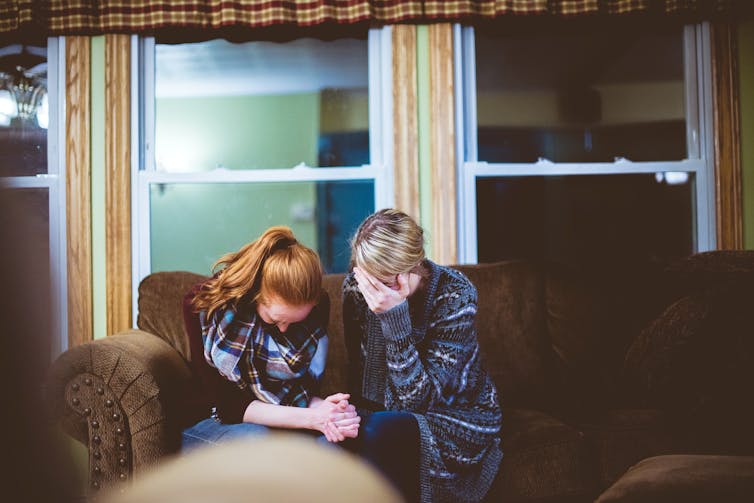 Grief is normal when a loved one dies.
Ben White/Unsplash
Grief is normal when a loved one dies.
Ben White/Unsplash
What if you can’t be part of this process in person?
When someone experiences the death of a loved one and is unable to be with them or attend the funeral, this can compromise their ability to grieve or process their loss.
When this happens, the bereaved person may experience:
frequent and ongoing intrusive thoughts of the person who has died
preoccupation with sorrow
excessive anger or bitterness
disconnection from social relationships
difficulty accepting the death
thoughts of hopelessness and helplessness.
These feelings may persist and have a significant impact on the person’s day-to-day functioning.
Read more: Patients with COVID-19 shouldn't have to die alone. Here's how a loved one could be there at the end
What can help in these situations?
There are a number of things you can do when the pandemic or other circumstances limit opportunities to participate in traditional grieving rituals in person.
1. Get in touch with the memories of the person you have lost
Take the time to think about memories of the person (both good and bad). Look at photos, videos and other materials you have that help you remember them.
You could even create a space dedicated to the person where you put pictures or other sentimental objects. This could be in your home or another place of significance.
2. If possible, attend the funeral virtually
While many of us are tired of online meetings, a virtual funeral is likely to be more helpful than not attending at all.
If you do this, try to have others around you when you watch it who can offer support.
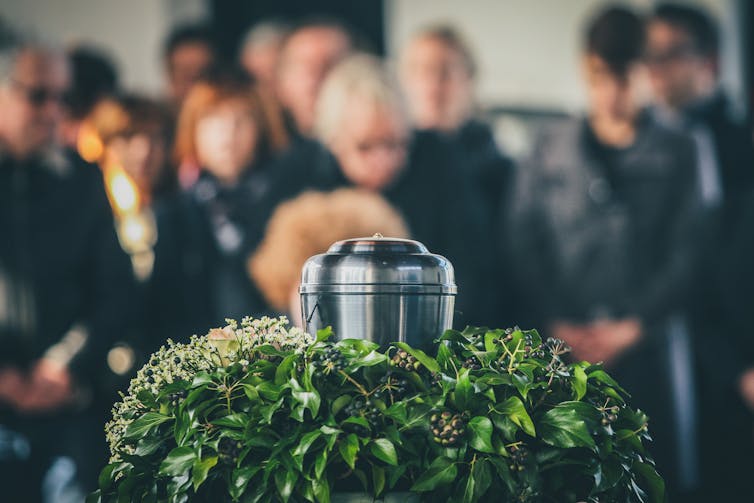 Traditional rituals help with the grieving process.
Shutterstock
Traditional rituals help with the grieving process.
Shutterstock
3. Connect with others who also knew the person
Talk about memories of the person. Again, you might need to do this virtually, but being with others who are going through a similar experience can help you accept the loss.
4. Normalise and accept the frustration of not being able to be there
You will likely feel intense emotions like frustration or anger about not being able to be with your loved one to say goodbye, or with other loved ones who are also grieving the loss.
You are best served by accepting these feelings as normal and inevitable. This can help to minimise the degree to which they get in the way of the pain of your loss.
5. Prioritise self-care
During these times, self-care is particularly important. This includes things like maintaining good sleep, nutrition, social connectedness, exercise and avoiding risky substance use.
6. Access professional help if you need to
Intense emotions are a normal part of grief and in most cases, they pass with time. But if these feelings are persisting and you feel you’re not coping, professional support can be helpful.
One option would be grief therapy with a psychologist. Grief therapy involves helping the bereaved person accept and cope with the loss while simultaneously assisting them to adapt to life without their loved one.
Read more: Is your mental health deteriorating during the coronavirus pandemic? Here's what to look out for
Authors: Glen Hosking, Senior Lecturer in Psychology. Clinical Psychologist, Victoria University


















