

How the new human right to a healthy environment could accelerate New Zealand's action on climate change
- Written by Nathan Cooper, Associate Professor of Law, University of Waikato
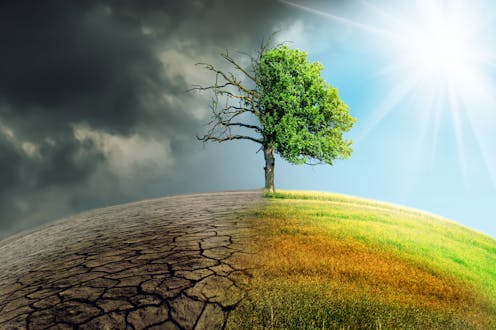
Last week’s formal recognition by the United Nations Human Rights Council that the right to a healthy environment is an essential human right has been heralded as a historic victory for environmental protection and an important step forward for the world’s most vulnerable people.
It’s also significant for coming on the eve of the UN Climate Change Conference (COP 26) in Glasgow next month, billed as the last best chance to pledge emissions reductions large enough to head off the worst consequences of global heating and associated ecological harm.
On the other hand, UN recognition doesn’t make the right to a healthy environment legally binding. No New Zealander can now claim a remedy from the courts because our environment doesn’t meet the standard of being clean, healthy and sustainable.
So, what does a human right to a healthy environment really mean? Is it largely rhetorical, or will its adoption have tangible consequences both internationally and in Aotearoa New Zealand?
Better global standards
Despite its limitations, this new human right is certainly not useless. It’s the first time a right to a healthy environment has been explicitly recognised at the global level.
The right obliges states to protect against environmental harm, to provide equal access to environmental benefits and to ensure a minimum standard of environmental quality for everyone to enjoy.
Arguably, this paves the way for better global standards, bolder climate litigation, and even for more equitable sharing of the burdens and benefits of climate change.
Read more: Who's who in Glasgow: 5 countries that could make or break the planet's future under climate change
It also creates a Special Rapporteur on Human Rights and Climate Change, focused on tackling the effects of climate change on people’s enjoyment of their human rights.
And it’s likely other global and regional bodies, including the UN General Assembly and the Council of Europe, will soon acknowledge the right to a healthy environment.
Developments like this would make the right more credible and more visible, transforming it into an effective tool for challenging states and corporations to do more on environmental protection.
Enshrining the right in law
Overall, the right to a healthy environment reflects a new urgency to push environmental issues back up the international agenda. For example, plans to adopt a “Global Pact for the Environment” next year are gaining momentum.
Proponents are describing the pact as the most comprehensive international text ever on environmental rights, essential for protecting everyone and everything from the “triple planetary emergency” of climate change, pollution and nature loss.
Already, in places where a right to a healthy environment is part of domestic law, court decisions are resulting in stronger climate action.
Read more: What is COP26 and why does the fate of Earth, and Australia's prosperity, depend on it?
The Colombian Supreme Court, for example, recently decided that deforestation of the Amazon violated a right to a healthy environment for present and future generations, and required the government to put protections in place.
Meanwhile, the Nepalese Supreme Court has held that the government must take action on climate change as part of its citizens’ constitutional right to a clean environment.
From these and many more national examples, we can be confident that recognising a right to a healthy environment will help improve the implementation of environmental laws, help fill gaps in legislation and support respect for human rights generally.
Implications for New Zealand
New Zealand’s courts and policymakers look to international human rights for guidance and standards. As recognition of the right to a healthy environment grows internationally, we can expect to see greater reliance on it here.
But there is one specific area where I anticipate this right may provide a new approach: climate-change mitigation.
When it comes to greenhouse gas (GHG) emissions and New Zealand, the elephant in the room – or the cow in the field – is the dairy industry. Between 1990 and 2018 New Zealand’s GHG emissions rose by 24%. The increase was driven largely by methane from livestock and nitrous oxide from fertilisers.
Both of these GHGs are many times more potent than carbon dioxide. Continuing to operate with this level of GHG emissions will make it extremely difficult for New Zealand to do its fair share of climate change mitigation or meet its international climate change obligations.
Protecting people and nature
The right to a healthy environment, then, could become a new lever for achieving big changes in a small window of time.
A rights-based approach to the environment will encourage a conversation around what a healthy environment means and who should enjoy it. It may even provide a fresh vocabulary for discussing broader issues, such as land use, transport and power.
As we battle COVID-19 at home, it’s tempting to take our eye off the grave environmental challenges ahead. To do that would be a mistake.
The full potential of a human right to a healthy environment remains to be seen. What is certain, however, is that a healthy environment is essential for human health and well-being – and that protecting people and protecting nature are always interconnected.
Authors: Nathan Cooper, Associate Professor of Law, University of Waikato

















