Modern Australian
The Times

The rules for Afterpay, Zip and other 'buy now, pay later' providers are changing. What it means for you, and them

  • Written by KB Heylen, PhD Candidate, Macquarie University
The rules for Afterpay, Zip and other 'buy now, pay later' providers are changing. What it means for you, and them

More than 6 million Australians have used the “buy now, pay later” lending services offered by Afterpay, Zip and more than a dozen other companies.

Buy now, pay later offers an easy and convenient alternative to credit card services. You can sign up and have your loan approved almost immediately. One reason for this is that buy now, pay later companies aren’t regulated by the same consumer-protection rules that apply to other credit providers.

But now the Australian government is going to change that – at least partly, in response to concerns the unregulated sector will lead to more people get caught in debt traps.

“BNPL looks like credit, it acts like credit, it carries the risks of credit,” federal Assistant Treasurer Stephen Jones said this week.

The government will bring the industry in line with with other credit products by amending the National Consumer Credit Protection Act to include buy now, pay later companies, defining buy now, pay later companies as credit providers.

Here’s what this means, for you and the sector.

What is a buy now, pay later service?

First, let’s recap what exactly makes buy now, pay later companies different to other forms of credit.

The crucial difference is that buy now, pay later companies don’t charge interest, which is how the National Consumer Credit Protection Act defines a credit service. Instead buy now, pay later companies charge retailers a commission on transactions and charge customers late fees if they fail to make repayments on time. Some also charge monthly account keeping fees.

This has enabled buy now, pay later lenders to pitch their products as “interest free”, as well as avoid the regulatory requirements of the federal credit law.

Read more: What's the difference between credit and debt? How Afterpay and other 'BNPL' providers skirt consumer laws

One of these is the requirement to perform a credit check, which involves assessing a customer’s financial history and capacity before lending money, although some buy now, pay later companies already do so voluntarily. This is why financial regulators such as the Australian Securities and Investments Commission have warned of the risk of buy now, pay later products contributing to financial stress and hardship.

More credit checking

The changes to the Credit Act will require all buy now, pay later providers to hold an Australian Credit Licence, like other credit providers, and to improve their dispute resolution, hardship, product disclosure and marketing practices.

Most importantly it will impose credit-check requirements.

The comprehensive credit-reporting framework currently requires credit providers such as banks to report on consumers’ loan, repayment, overdue and default histories. This data is used by providers when assessing a person’s affordability and suitability for credit.

Afterpay and others have argued they don’t need this credit-reporting system because they use their own algorithmic checks. The problem is no one knows what data they are using or how they are making decisions.


Afterpay sign on shop window.
Shutterstock While the credit reporting system is not perfect, it is better to have all providers working from the same data set than individual companies making up their own rules. As credit services, buy now, pay later providers will gain full access to this data, covering consumers’ repayment and hardship history for other credit products such as loans and credit cards. This means that when you apply for a buy now, pay later loan, the process may take longer, with a greater possibility of rejection if you have a history of late or overdue loan or credit card repayments. However, unlike banks, provider will not necessarily have to report your data into the credit-reporting system. This is because the government doesn’t regard them as risky as the likes of pay-day loans or consumer leases. So a buy now, pay later provider won’t know your history with other buy now, pay later providers. This means you could theoretically continue to have multiple services, which is a known contributor to debt stress. Spending limits and fee caps The new regulations will put cap on fees for late or missed payments. Currently, Afterpay, Zip, Humm and others having very different approaches to how they charge fees, making it hard for customers to compare and assess. While the lure of “no interest” may seem appealing, these late fees can add to a huge effective rate. Curtin University researchers have calculated the effective annual interest rates of popular buy now, pay later products based on their costs. Falling behind on payments on a hypothetical $40 purchase would result in an effective annual interest rate of 28.25% for Afterpay, 28.33% for LatitudePay, and 29.32% for Zip Pay. For Humm’s “Little Things” loans requiring repayment over five fortnights, it is 16.13%, and for its Little Things loans requiring ten fortnightly repayments it is 177.44%. These annualised rates are higher than most credit cards. The new cap should help bring the fees in line with similar charges on other credit products. Another changes to the Credit Act will mean your credit limit can no longer be increased unless you explicitly ask for it. Currently services like Zip and Afterpay start first-time users with a low credit limit and automatically increase it based on good repayment history. This could mean buy now, pay later providers will offer larger credit limits to users up front, just like credit cards. This could be risky for some customers, but it also presents a higher risk for buy now, pay later services. Read more: 90% of young people had financial troubles in 2022, and 27% used 'buy now, pay later' services What this means for the industry Greater protection from consumers will likely result reduce revenue for buy now, pay later providers. Restricting the ability to automatically increase credit limits means buy now, pay later companies must either offer higher starting limits and accept higher default risks or contend with lower transaction totals overall. The cap on fees and charges will likely bring in less revenue. More rigorous credit checks may result in fewer new customers. Bringing all providers into the regulated system will allow for greater transparency around how credit decisions are made and create a more level playing field between credit providers. The government will now work with industry and consumer groups to refine the details. The new laws are expected to be introduced to Parliament later this year. Correction: This article originally stated that Curtin University research had calculated an effective interest rate of popular products, including 177.44% on Humm’s “Big Things” loans. This was incorrect. The 177.44% figure relates to Humm’s “Little Things” loans requiring repayment over ten fortnights. The article has been amended accordingly.

Authors: KB Heylen, PhD Candidate, Macquarie University

Read more https://theconversation.com/the-rules-for-afterpay-zip-and-other-buy-now-pay-later-providers-are-changing-what-it-means-for-you-and-them-206184

Diesel Shortage to Impact Trades and Contractors

Strait of Hormuz blockage affecting all major parts of trades and construction Trades and construction across residential, commercial and industria...

Why Holiday Home Owners Turn to Rental Management Agents

The Allure — and the Reality — of Renting Out Your Property Owning a holiday home is a dream for many Australians. Whether it's a beachside sha...

Why Finding Reliable Doctors In Bundoora Is Important For Long-Term Health

Access to quality healthcare plays an important role in maintaining overall wellbeing and managing health concerns early. Trusted Doctors in Bundoor...

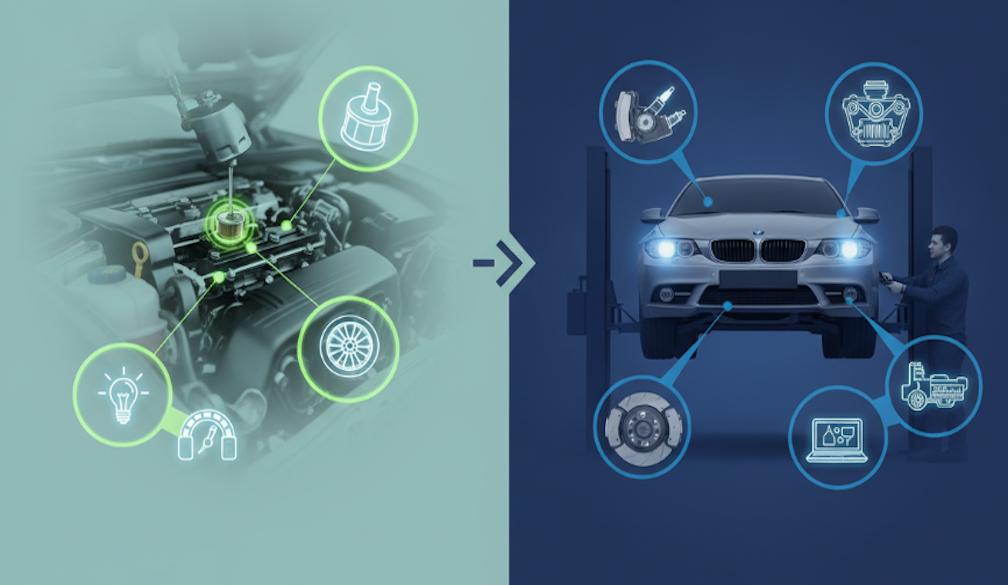
Understanding the Different Types of Car Services: Minor vs Major

When it comes to car maintenance, one of the most important things every vehicle owner should understand is the difference between a minor and a maj...

How Superannuation and TPD Insurance Work Together

Superannuation is an essential part of financial planning in Australia. It is designed to provide individuals with income during retirement, helping...

Tiny Towns funding granted for Mt Hotham and Mt Buller upgrades

Alpine Resorts Victoria (ARV) has welcomed funding support from the Victorian Government’s  Tiny Towns Fund, with both Mt Hotham and Mt Buller se...

Locksmith Services: Why Professional Security Solutions Matter More Than Ever

Security is a critical concern for homeowners, businesses, and vehicle owners alike. Whether it involves protecting a property, replacing damaged lo...

Why Tooth Fillings Are Important For Protecting Damaged Teeth

Cavities and minor tooth damage are common dental problems that can worsen if left untreated. Professional tooth fillings help restore damaged teeth, ...

The Connection Between Visibility and Driver Confidence

Operating a vehicle safely requires an immediate, uncompromised stream of visual information from the surrounding road environment. A driver's decis...

Important Things To Know Before Starting An SMSF Setup

Planning for retirement requires careful financial decisions, and many Australians are now looking for more direct control over how their superannua...

Why Retail Cleaning Plays a Key Role in Customer Experience and Business Success

Professional retail cleaning services are an essential part of maintaining a welcoming, safe, and professional environment for customers and staff...

Simple Ways to Make a Commercial Property More Appealing to Buyers

Selling or leasing a commercial property isn’t just about listing the square metres, taking a few photos and waiting for the right person to appea...

What Café Owners Should Know Before Upgrading Their Display Setup

A café display fridge does a lot more than keep cakes cold and sandwiches fresh. It quietly shapes the way customers browse, the way staff move beh...

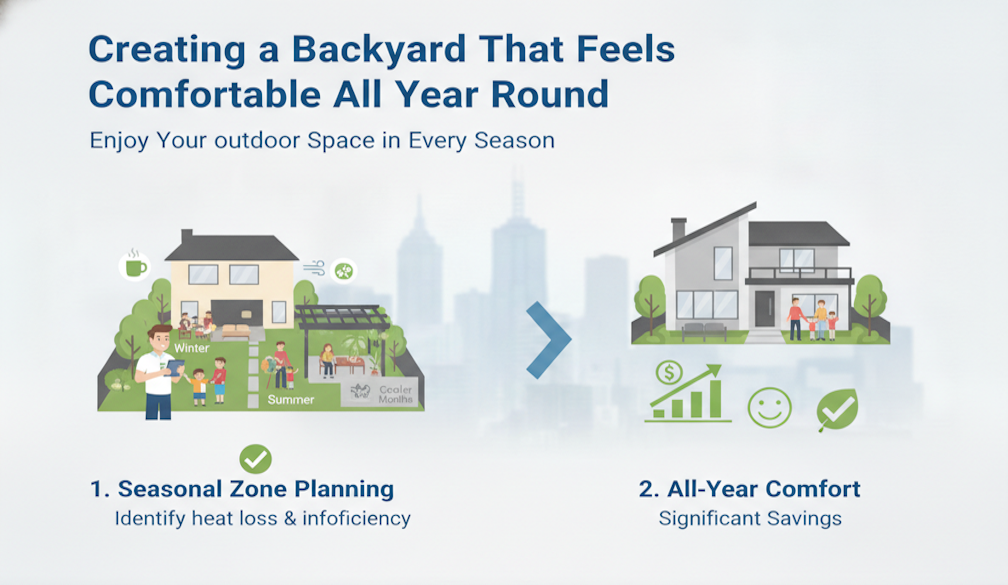
Creating a Backyard That Feels Comfortable All Year Round

A great backyard doesn’t need to be huge, expensive or perfectly styled. Most of the time, the spaces people actually use are the ones that feel e...

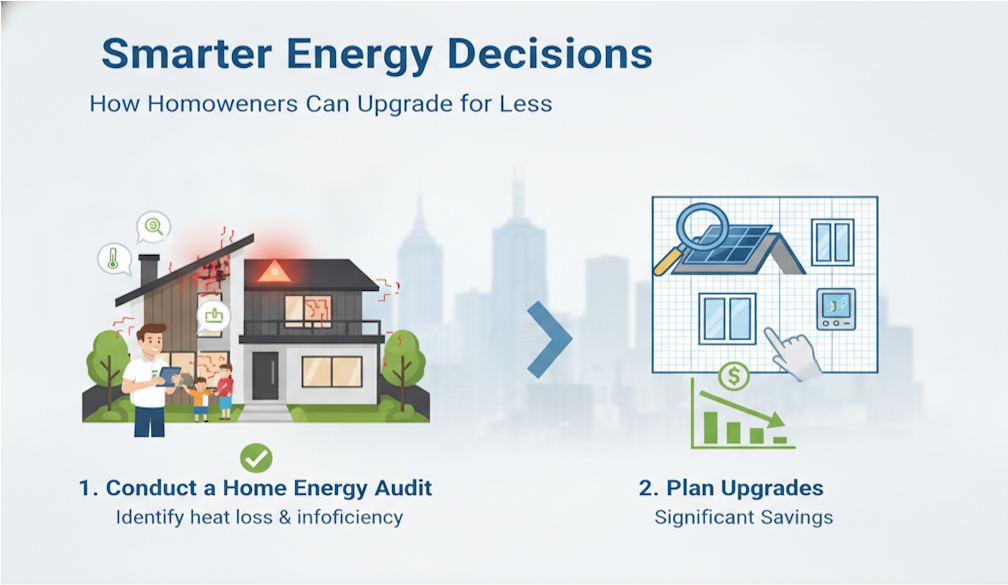
How Homeowners Can Make Smarter Energy Decisions Before Upgrading

Energy upgrades used to feel like something you only looked into after a power bill gave you a nasty surprise. These days, though, more homeowners a...

Why Retail CX Breaks During Peak Sales Events and How to Prevent It

Retail customer experience has become one of the most important drivers of revenue growth, especially during high-intensity sales periods. However, ev...

15 South Indian Dishes Everyone Should Try

If your only experience of "Indian food" is butter chicken and garlic naan, South Indian cuisine is going to feel like discovering an entirely new c...

What Every Homeowner Should Know About Roof and Drainage Maintenance

A home's roof and drainage system work together every day to protect the property from water damage. While many homeowners focus on visible areas such...