

how you can contribute to coronavirus research without leaving the house
- Written by Ayesha Tulloch, DECRA Research Fellow, University of Sydney
As Australians try to maintain social engagement during self-isolation, citizen science offers a unique opportunity.
Defined as “public participation and collaboration in scientific research”, citizen science allows everyday people to use technology to unite towards a common goal – from the comfort of their homes. And it is now offering a chance to contribute to research on the coronavirus pandemic.
With so many of us staying home, this could help build a sense of community where we may otherwise feel helpless, or struggle with isolation.
Read more: Can't sleep and feeling anxious about coronavirus? You're not alone
Anyone is welcome to contribute. You don’t need expertise, just time and interest. Projects exist in many forms, catering to people of diverse ages, backgrounds and circumstances. Many projects offer resources and guides to help you get started, and opportunities to collaborate via online discussion forums.
Ditch the news cycle – engage, gain skills and make a difference
Scientists worldwide are racing to find effective treatments and vaccines to halt the coronavirus pandemic. As a citizen scientist, you can join the effort to help tackle COVID-19, and other infectious diseases.
Foldit is an online game that challenges players to fold proteins to better understand their structure and function. The Foldit team is now challenging citizen scientists to design antiviral proteins that can bind with the coronavirus.
The highest scoring designs will be manufactured and tested in real life. In this way, Foldit offers a creative outlet that could eventually contribute to a future vaccine for the virus.
Another similar project is Folding@home. This is a distributed computing project that, rather than using you to find proteins, uses your computer’s processing power to run calculations in the background. Your computer becomes one of thousands running calculations, all working together.
One way to combat infectious diseases is by monitoring their spread, to predict outbreaks.
Online surveillance project FluTracking helps track influenza. By completing a 10-second survey each week, participants aid researchers in monitoring the prevalence of flu-like symptoms across Australia and New Zealand. It could also help track the spread of the coronavirus.
Such initiatives are increasingly important in the global fight against emerging infectious diseases, including COVID-19.
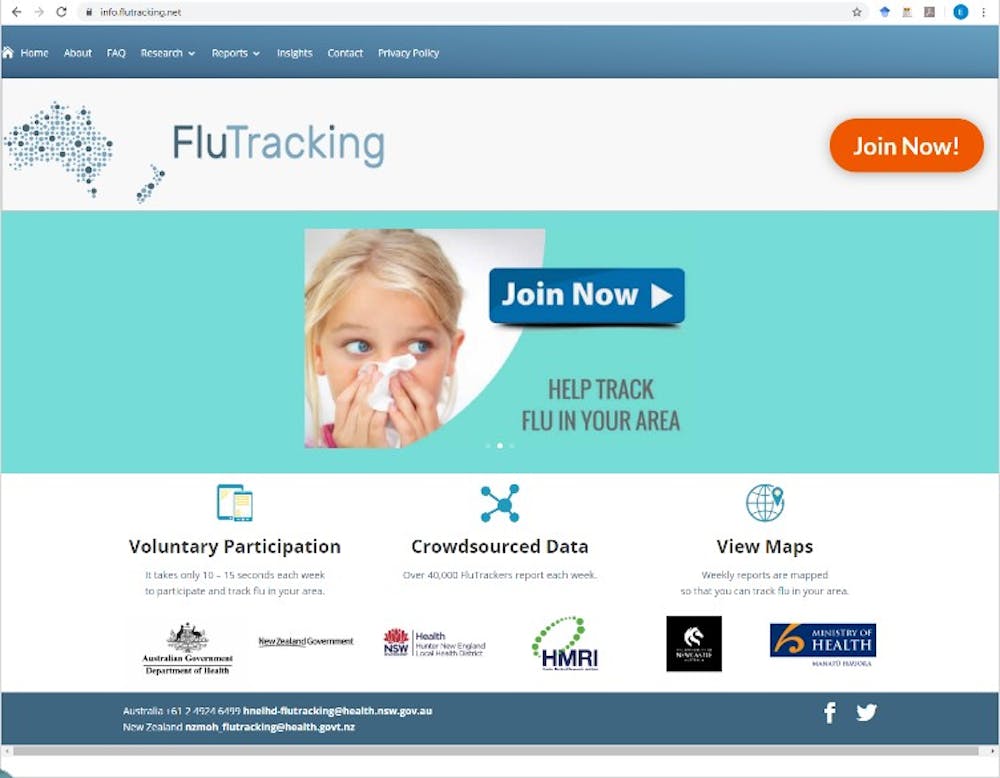 Citizen science portal Flutracking’ was designed to allow researchers and citizens to track flu-like symptoms around Australia and New Zealand.
Another program, PatientsLikeMe, empowers patients who have tested positive to a disease to share their experiences and treatment regimes with others who have similar health concerns. This lets researchers test potential treatments more quickly.
The program recently set up a community for people who have contracted COVID-19 and recovered. These individuals are contributing to a data set that could prove useful in the fight against the virus.
Environmental projects need your support too
If you’d like to get your mind off COVID-19, there’s a plethora of other options for citizen scientists. You can contribute to conservation and nature recovery efforts – a task many took to after the recent bushfires.
Read more: Coronavirus: seven ways collective intelligence is tackling the pandemic
Some sites ask volunteers to digitise data from ongoing environmental monitoring programs. Contributors need no prior experience, and interpret photos taken with remote digital cameras using online guides. One example is Western Australia’s Western Shield Camera Watch, available through Zooniverse.
Other sites crowdsource volunteers to transcribe data from natural history collections (DigiVol), historical logbooks from explorers, and weather observation stations (Southern Weather Discovery).
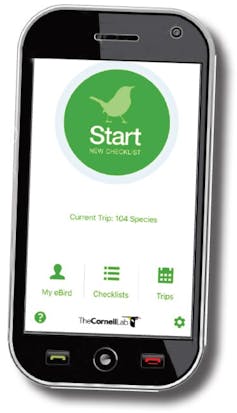 The Cornell Lab of Ornithology’s citizen science app eBird uses bird sightings to fuel research and conservation efforts.
eBird
The Cornell Lab of Ornithology’s citizen science app eBird uses bird sightings to fuel research and conservation efforts.
eBird
Citizen science programs such as eBird, BirdLife Australia’s Birdata, the Australian Museum’s FrogID, ClimateWatch, QuestaGame, NatureMapr, and the Urban Wildlife App, all have freely available mobile applications that let you contribute to “big” databases on urban and rural wildlife.
Nature watching is a great self-isolation activity because you can do it anywhere, including at home. Questagame runs a series of “bioquests” where people of all ages and experience levels can photograph animals and plants they encounter.
In April, we’ll also have the national Wild Pollinator Count. This project invites participants to watch any flowering plant for just ten minutes, and record insects that visit the flowers. The aim is to boost knowledge on wild pollinator activity.
The data collected through citizen science apps are used by researchers to explore animal migration, understand ranges of species, and determine how changes in climate, air quality and habitat affect animal behaviour.
Read more: As heat strikes, here's one way to help fight disease-carrying and nuisance mosquitoes
This year for the first time, several Australian cities are participating in iNaturalist’s City Nature Challenge. The organisers have adapted planned events with COVID-19 in mind, and suggest ways to document nature while maintaining social distancing. You can simply capture what you can see in your backyard, or when taking a walk, or put a moth light out at night to see what it attracts.
Connecting across generations
For those at home with children, there are a variety of projects aimed at younger audiences.
From surveying galaxies to the Bird Academy Play Lab’s Games Powered By Birds - starting young can encourage a lifetime of learning.
If you’re talented at writing or drawing, why not keep a nature diary, and share your observations through a blog.
By contributing to research through digital platforms, citizen scientists offer a repository of data experts might not otherwise have access to. The Australian Citizen Science Association (ACSA) website has details on current projects you can join, or how to start your own.
Apart from being a valuable way to pass time while self-isolating, citizen science reminds us of the importance of community and collaboration at a time it’s desperately needed.
Authors: Ayesha Tulloch, DECRA Research Fellow, University of Sydney

















