

Why an Industrial Air Compressor Is Vital for Modern Manufacturing
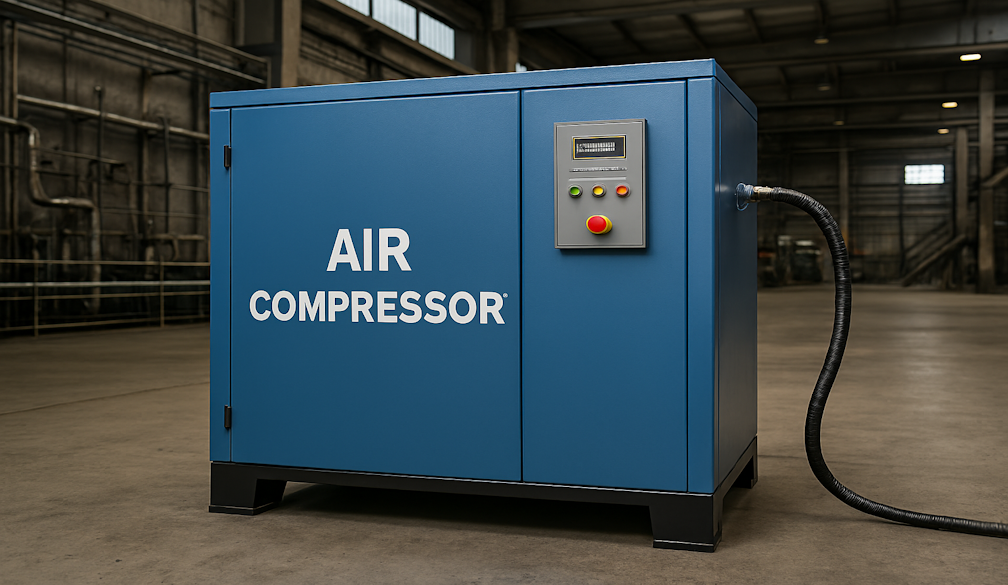
In many industrial environments, compressed air is as essential as electricity or water. An industrial air compressor provides the power needed to operate machinery, tools, and automated systems across manufacturing, processing, and production facilities. Its reliability directly affects productivity, efficiency, and safety, making it a core component of modern industrial operations.
Compressed air supports a wide range of applications, from powering pneumatic tools to controlling valves and actuators. Without a dependable air supply, many industrial processes would slow down or stop entirely. This makes air compressors fundamental to keeping operations running smoothly.
Understanding the Role of Compressed Air in Industry
Compressed air is valued for its versatility and cleanliness. It can be used in environments where electrical or hydraulic systems may pose risks, such as in wet or explosive conditions. Industrial air compressors generate this energy source efficiently, ensuring consistent pressure and flow for various applications.
This flexibility allows industries to use compressed air for tasks such as assembly, material handling, packaging, and process control. The ability to deliver reliable air pressure supports precision and consistency across production lines.
Enhancing Productivity and Operational Efficiency
A well-functioning air compressor improves productivity by ensuring tools and machinery operate at optimal performance. Inconsistent air pressure can lead to reduced tool efficiency, slower cycle times, and increased wear. Stable compressed air supply helps maintain smooth, uninterrupted workflows.
Efficient compressors also reduce energy waste. Modern systems are designed to match output to demand, minimising unnecessary power consumption. This efficiency supports cost control and contributes to sustainable operations.
Supporting Automation and Process Control
Automation plays an increasingly important role in industrial production. Compressed air is often used to control automated systems, including robotic arms, conveyors, and sorting equipment. Industrial air compressors provide the consistent pressure needed for these systems to function accurately.
Reliable compressed air ensures precise movement and control, reducing errors and improving product consistency. As automation expands, the importance of dependable air supply continues to grow.
Protecting Equipment and Reducing Maintenance
Moisture and contaminants in compressed air can damage tools and machinery. Industrial air compressors are often paired with filtration and drying systems to ensure clean, dry air. This protection helps prevent corrosion, blockages, and premature wear.
By maintaining air quality, compressors contribute to longer equipment lifespan and lower maintenance costs. Reduced downtime allows operations to remain productive and predictable.
Improving Workplace Safety
Compressed air systems support safer working environments when properly maintained. Pneumatic tools are often lighter and easier to control than electric alternatives, reducing operator fatigue. Consistent air pressure also ensures tools perform as expected, lowering the risk of accidents.
Industrial air compressors contribute to safer processes by enabling controlled operation of valves and safety mechanisms. This reliability supports compliance with workplace safety standards and reduces operational risk.
Adapting to Diverse Industrial Applications
Different industries have unique compressed air requirements. Industrial air compressors are available in various capacities and configurations to suit specific needs. From continuous-duty manufacturing plants to intermittent-use facilities, compressors can be selected to match operational demands.
This adaptability ensures that businesses can optimise performance without overinvesting in unnecessary capacity. Choosing the right compressor supports efficiency and cost-effectiveness.
Reducing Energy Costs Over Time
Energy consumption is a major concern in industrial operations. Air compressors can account for a significant portion of energy use if not managed efficiently. Modern industrial compressors are designed to minimise energy loss through improved design and control systems.
Over time, efficient compressors deliver substantial cost savings. Lower energy bills and reduced maintenance contribute to strong return on investment, making efficient air systems a strategic choice.
Supporting Consistent Product Quality
In many processes, air pressure consistency affects product quality. Variations can lead to defects or inconsistencies, particularly in precision manufacturing. Industrial air compressors provide stable air supply, supporting uniform production outcomes.
Consistency improves quality control and reduces waste. When processes operate within defined parameters, businesses can maintain high standards and meet customer expectations reliably.
Meeting Compliance and Industry Standards
Many industries must comply with regulations related to air quality, safety, and environmental impact. Industrial air compressors support compliance by delivering clean, controlled air and operating efficiently.
Maintaining compliant systems also demonstrates professionalism and responsibility. Businesses that invest in reliable compressed air infrastructure are better positioned to meet regulatory requirements and industry expectations.
A Core Asset for Industrial Success
An industrial air compressor is more than a supporting machine. It is a vital asset that underpins productivity, safety, and efficiency across industrial operations. From powering tools to supporting automation, compressed air systems enable modern manufacturing to function effectively.
As industries continue to evolve, the demand for reliable and efficient compressed air will remain strong. Investing in the right air compressor supports long-term performance, cost control, and operational resilience in competitive industrial environments.


















