

Expert-Led Solutions for Clear Complexions
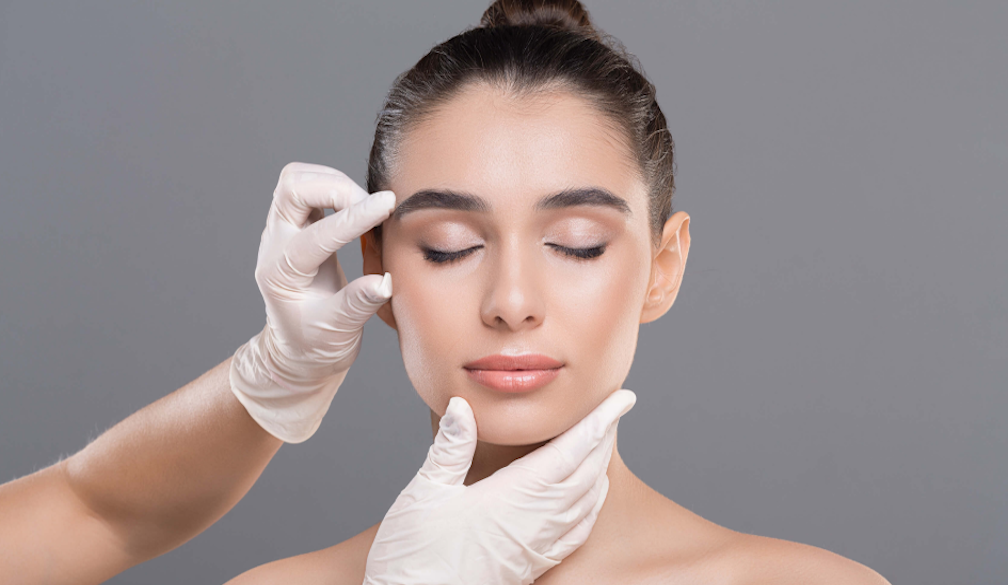
Many people struggle with acne at different stages of their lives, and the journey toward clearer skin often feels overwhelming. Breakouts affect not only appearance but also confidence, comfort, and even daily routines. While mild cases may resolve on their own, persistent or recurring acne can become difficult to manage using home remedies alone. This is why expert guidance has gained importance, especially for individuals seeking long term solutions rather than temporary improvements.
Dermatology clinics today provide a wide range of advanced treatments for acne and acne related concerns. Patients appreciate having access to personalized solutions instead of generalized advice that may or may not work for their skin. With better understanding of how acne forms and how it can be controlled, many now view professional care as an essential part of achieving a clear and healthy complexion.
Why Choosing Professional Guidance Matters
Many people who want reliable care often look for the best acne dermatologist Singapore providers because acne is a condition that varies widely from person to person. What works for one individual may not work for another, and incorrect treatment can sometimes make breakouts worse. Dermatologists evaluate the root causes of acne rather than simply addressing surface symptoms. This deeper understanding allows them to create targeted solutions based on factors like skin type, severity of inflammation, hormonal activity, lifestyle habits, and previous treatment history.
Professional guidance matters because acne can stem from multiple triggers. Excess oil production, bacteria buildup, clogged pores, stress, medication, environmental exposure, and genetic factors each play a role. A dermatologist helps identify the exact triggers affecting your skin and designs a specific plan that minimizes flare ups while repairing existing damage.
Understanding Why Acne Develops
Acne forms when the pores become clogged with oil, dead skin cells, or bacteria. These blockages can lead to blackheads, whiteheads, papules, pustules, or deeper nodular acne. Hormonal changes, especially during adolescence or adulthood, can increase oil production and contribute to more frequent breakouts. Stress, diet sensitivity, and improper skincare products may also worsen acne for some people.
Inflammation plays a major part in how severe acne becomes. When the skin’s natural barrier weakens, bacteria can multiply quickly, causing redness, swelling, and painful lesions. If not treated properly, these inflammatory lesions can leave behind long lasting marks or scars. This is why dermatologists place emphasis on controlling inflammation early to prevent unnecessary scarring.
Treatments Commonly Recommended by Dermatologists
Dermatologists use a combination of prescription medication, clinical procedures, and lifestyle guidance to treat acne effectively. Topical treatments such as retinoids, antibiotic creams, benzoyl peroxide, or specially formulated gels help control oil production, prevent clogged pores, and reduce surface inflammation. For moderate to severe acne, oral medications like antibiotics, hormonal regulators, or isotretinoin may be recommended. These options target internal factors that topical products cannot reach.
In clinic procedures also play an important role. Chemical peels help exfoliate the skin and clear congested pores. Light or laser therapies target bacteria and reduce redness. Extraction procedures help remove stubborn comedones safely to prevent further irritation. Some dermatologists also offer treatments that address acne scars and pigmentation once active acne is under control.
A professional approach often combines treatments for faster and more consistent results. Instead of trying random products that may be too strong or ineffective, patients receive structured care that evolves as their skin improves.
How Dermatologists Personalize Acne Care
Every person’s skin responds differently, which is why dermatologists tailor each treatment plan. A specialist evaluates the pattern of breakouts, the skin’s level of oiliness, sensitivity, and history of previous reactions. They may also ask about sleep habits, stress, diet, and skincare routines. All these factors help create a complete picture of what contributes to acne.
Personalized care ensures that treatment progresses safely and effectively. For example, someone with dry but acne prone skin may require gentler products to avoid irritation, while someone with hormonal acne may benefit from specific oral medications. This individualized approach helps clear the skin while protecting its natural balance.
What to Expect During Dermatology Visits
A dermatology consultation usually begins with a detailed assessment of your skin and lifestyle factors. The dermatologist may perform a physical examination, discuss symptoms, and evaluate the severity of acne. Some patients may need follow up visits to track progress and adjust treatment as needed.
During the treatment phase, the dermatologist will guide you on how to apply medications properly, how to avoid skin irritation, and how to support healing at home. Patients often appreciate that expert care provides structure, clarity, and reassurance throughout the process. Consistency plays a major role in achieving visible improvement, and regular follow ups help ensure the skin continues to respond well.
When to Seek Professional Help
You should consider seeing a dermatologist if you experience:
- Breakouts that worsen or do not improve after months of home care
- Painful cysts or nodules that leave marks
- Acne that affects confidence or interferes with daily life
- Skin sensitivity or irritation from over the counter treatments
- Persistent pigmentation or scarring after breakouts
- Sudden acne flare ups triggered by hormones or stress
Restoring Confidence Through Expert Care
Clear skin does more than improve appearance. Many individuals notice better self esteem, greater comfort in social settings, and renewed confidence when their acne finally becomes manageable. Dermatologists play a key role in helping patients regain control over their skin. Through proper medical guidance, advanced procedures, and tailored skincare routines, long term results become achievable.
Choosing professional care also helps prevent complications like dark marks and scars. By addressing acne early and correctly, patients can maintain a smoother, healthier complexion over time. The journey toward clear skin may take patience, but with consistent support and medical expertise, lasting improvement becomes a realistic goal.
Commonly Asked Questions
Can acne be fully cured?
Acne can be significantly controlled, and many people achieve long term clarity. Some may experience occasional breakouts, but professional treatment helps greatly reduce frequency and severity.
Do dermatology treatments work faster than home remedies?
Yes. Professional treatments target the deeper causes of acne and use medically regulated products that are more effective than typical over the counter options.
Will acne medication irritate my skin?
Some medications may cause dryness or sensitivity at first. Dermatologists often provide instructions to reduce irritation and adjust dosages when necessary.
Can diet affect acne?
Certain individuals may notice breakouts linked to specific foods. Dermatologists can help determine whether diet contributes to your acne and recommend appropriate adjustments.
Are acne scars permanent?
Some scars can improve significantly with dermatologic procedures such as resurfacing, microneedling, or laser treatments. Early acne treatment reduces the risk of permanent scarring.
Next Steps
If you are struggling with persistent acne or want expert guidance for long term skin clarity, scheduling a consultation with a dermatologist is an ideal first step. A professional evaluation will help identify the causes of your breakouts and provide a personalized treatment plan that supports healthier, clearer skin over time.



















