

Debunking Common Physiotherapy Myths
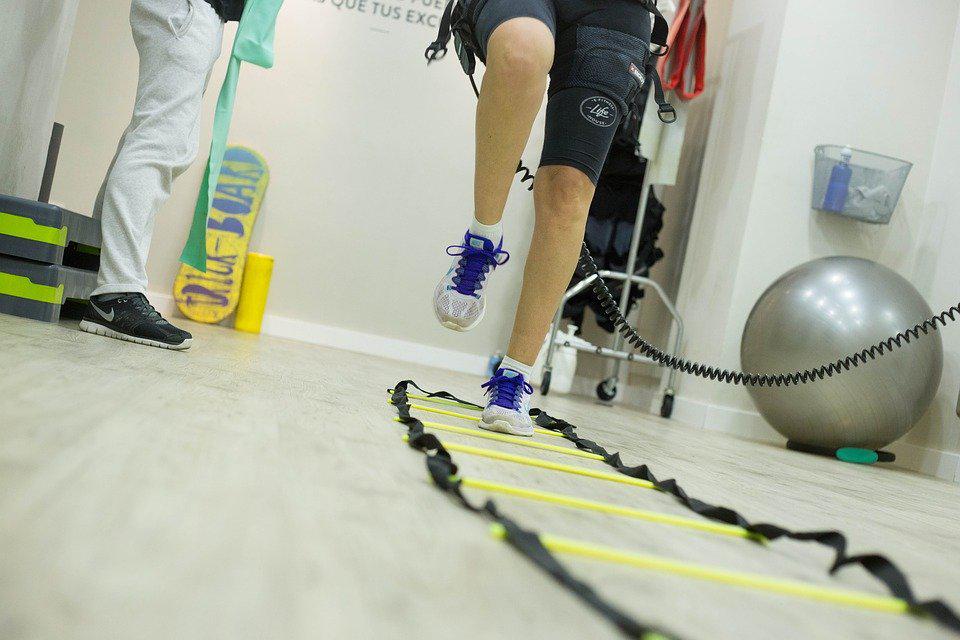
Despite a large amount of popular literature, publications in newspapers and magazines, special broadcasts on radio and television, our citizens still have a poor idea of physiotherapeutic treatment. Let’s talk about the most common myths about physiotherapy.
The first myth. Physiotherapy is a secondary and not so important type of treatment that can be dispensed. The main thing is drug therapy.
In fact, the use of physiotherapeutic agents makes it possible to reduce the treatment time by a factor of 1.5 to 2, to stop the further progression of chronic disease and to reduce the frequency of relapses. With physiotherapy castle hill, the recovery of the body occurs much more fully than only with medication. After all, physiotherapeutic methods stimulate the protective and compensatory forces of the body, the natural mechanisms of self-cleaning, self-healing and regeneration. Therefore, complex treatment using physical means promotes the rapid removal of toxins and toxins, erases the energy-information traces of the disease, dramatically increases the supply of oxygen and nutrients to tissues, renews cells, and normalizes the activity of the endocrine glands and nervous system.
In addition, when the acute period of the disease passes, physiotherapy, in general, is the main means of medical care. In addition, physiotherapy not only goes well with taking medications, but also often enhances their effect, reduces the dose of drugs, and reduces the likelihood of side effects.
The second myth. Physiotherapy is preferable to other methods of treatment, it will cure everything, and you can do well without medications.
This is the other extreme. Synthetic drugs, although they have many side effects, clog the body and are alien to it by nature, but they must be taken seriously, especially in the acute period of the disease. Another thing is that often from a long list of recommended drugs a maximum of two or three is necessary, and the rest can be completely replaced with physiotherapeutic agents. For example, with an acute infectious disease, antibiotics are needed, sometimes antipyretics, with exacerbation of radiculitis with severe pain, anti-inflammatory and analgesic drugs are needed, with allergic diseases antihistamines, etc. Against this background, you can start using physiotherapy and, as improve your condition, gradually switch to non-medication and take less medicine.
The third myth. All physiotherapeutic methods are warming up and therefore potentially dangerous.
In fact, only some of the types of physiotherapy directly accompany the thermal effect. There is currently no evidence of harm allegedly caused by physiotherapy. This also applies to thermal effects. The devices recommended for use previously go through numerous stages of scientific and clinical testing in order to identify possible side effects and contraindications. If this method can stimulate, for example, the growth of existing benign education, the doctor will not prescribe it for you. To be scared of any physiotherapy means to abandon the ability to treat. If you have any concerns, you need to share them with your doctor and an optimal solution will be found.
Eliminate doubts about physiotherapy by interviewing a doctor of physiotherapy or a licensed physiotherapist. Choose one from a reputable clinic with excellent patient services. Ask about the therapies they offer and read testimonials of relatives, friends, or trusted acquaintances. While you probably read physiotherapy books or articles about treating your injury, the best advice comes from doctors and physiotherapists who deal with the same problems daily.
The fourth myth. The shorter the course of physiotherapy, the better.
The onset, development, and decay of any disease is a cyclic process that proceeds according to its own laws. For three days, no disease goes away. Even if the body temperature decreased, the pain subsided, swelling decreased; this does not mean that everything is already in order. The body coped with some symptoms, compensated for them with a powerful release of biologically active substances, but at the cellular level and organ level, pathological changes will persist for a long time. There is a long recovery process – the elimination of edema and inflammation, the removal of decay products, toxins, the accumulation of energy potential, the regeneration of surviving and accelerated growth of new cells, the normalization of the activity of the endocrine, nervous, immune systems, restoration of the normal composition of blood, lymph, etc.
Even if the visible symptoms of the disease have passed, you are defenseless, like a small child – so the body in the struggle for recovery spent much energy! Not treating the disease means not allowing the body to fully recover, normalize all adaptive and protective functions. Therefore, so many chronic diseases – “more important” cases — force people to rush off somewhere at a time when the body still needs at least two to three weeks to fully compensate.
Any methods that accelerate the recovery process are a great blessing, and nothing can be compared with physiotherapy. You should never focus on well-being when deciding how many procedures to take. You should trust the science-based developments that the doctor adheres. Perhaps, after treatment with one physiotherapeutic agent, he, based on practical experience, will prescribe a course of other physiotherapy procedures for your benefit.
The fifth myth. The more physiotherapy to take at the same time, the faster the recovery will come.
Not at all necessary. Each physiotherapeutic agent has its own specific mechanism of action. Physical methods can complement each other, and then the therapeutic effect is enhanced, but it happens that it is impossible to combine them for one reason or another. You need to understand: any physiotherapy is an effect on the whole organism as a whole, while a complex of compensatory-adaptive reactions is triggered, which are characteristic only for the type of therapy used. Knocking down the body’s fine-tuning by other effects is not always advisable, and sometimes harmful. Especially in the acute period of the disease, when the available backup mechanisms are already tense. The appointment of two or more procedures at this time can lead to even more exacerbation. In addition, human organisms are very different.
Some of them have so many energy reserves that they swallow a bunch of drugs and withstand little stress they can withstand two or three physiotherapies, and even take a steam bath. However, the health of most compatriots is in a more deplorable state. Moreover, here it is necessary to think three times, how much and what to appoint, so that you can avoid being harmed and to harm others. In this regard, you must fully trust the recommendations of the doctor – he will prescribe treatment for you, based on the capabilities of your body.
The sixth myth. Anyone can help you.
Many patients insist on prescribing the procedures that they have heard commendable reviews. For most patients, procedures such as electrophoresis or ultrasound seem too “simple” to heal quickly and efficiently. Having previously asked the sufferers about the same disease that helped them; people rush to the clinic and require, for example, only a “laser” or “electric massage”. All this would be funny, but:
Firstly, the disease can be completely different. Therefore, pain in the lumbar region can serve as a symptom of not only osteochondrosis. Secondly, the various stages of the disease require the use of different physiotherapeutic agents (your friend could come with a chronic sluggish process, and you have an acute period). Finally – this is the most important thing! – Each person reacts to a particular effect very individually. One responds well to treatment with a magnetic field, the other with infrared radiation, and the third with heat. One of the advantages of physiotherapy is that it is possible to choose a treatment for each, based on its individual characteristics. However, a doctor, guided by scientific recommendations, his professional experience and intuition, should do this.
Doctors undergo long years of study and hands-on training. Hence, nobody can replace them in providing expert advice about physiotherapy. They’re graduates of the Doctor of Physical Physiotherapy (DPT), which is a graduate-level first professional degree in the United States. It can also be considered a professional practice doctorate degree. On the other hand, physiotherapists are graduates of Bachelor of Physical Therapy (BPT) or Master of Physical Therapy (MPT), which are Doctor of Physical Therapy (DPT) programs.
Working with a team of physiotherapists is advisable, supporting people to improve their movement, mobility, and physical function. A licensed physiotherapist can help manage physical difficulties due to illness, traumatic injury, aging, or disability, prioritizing health and safety. Moreover, an experienced physiotherapist can help you attain optimal independence using the latest techniques and therapies, which you can find more here.
Conclusion
These were the most common myths about psychotherapy that you should know. The body is a very complex and dynamic system, it is constantly changing, and its diseases reflect these changes. Physiotherapy can be a great way to naturally treat more problems and diseases than you can imagine.
Reference:



















