

Floods can worsen inequality. Here are 4 ways we can ensure people with disabilities aren't left behind
- Written by Jodie Bailie, Research Fellow, The University Centre for Rural Health, University of Sydney
Disasters like flooding can worsen social inequalities around health and housing. For people with disability, however, the effect can be especially profound.
Research led by the University of Sydney’s University Centre for Rural Health has shown, for example, that after flooding people with disability and their carers were more likely than others to:
have their homes flooded and be evacuated
still be displaced six months on
experience disrupted access to food, support networks and essentials such as healthcare and social services
continue to be distressed about the flood six months after it happened
be at relatively high risk of post-traumatic stress disorder six months after the flood.
As communities on Australia’s east coast recover from recent flooding, it’s more important than ever to engage with concerns raised at the recent Royal Commission into Violence, Abuse, Neglect and Exploitation of People with Disability.
As revealed in the University Centre for Rural Health’s submission to the Royal Commission, people with disability are too often overlooked or left behind during emergencies.
We surveyed people with disability and carers after a major flood in the Northern Rivers region of New South Wales in 2017. Some of the stories were shocking. One person told us:
Me and my housemate are disabled […] We were unable to leave our house as we had no transport to get to the evacuation centre.
Another identified barriers with communication, saying:
Didn’t know what evacuation meant eg what to take, would I have to stay there, where to go […] Had no idea what river levels meant, eg Tweed River is 4.3m.
People with disability reported feeling they had been left to “fend for themselves”:
The disgusting way people were left to fend for themselves and then the lack of proper response from our federal government. The scammers who surfaced during the flood. The lack of help for the homeless and vulnerable. The anxiety and stress that occurred and the amount of people left homeless and still trying to find a home five months later. Services that were desperately needed but were very hard to find.
Carers are affected, too. One told us:
I didn’t realise how depressed I got or how upset I was until I talked with the flood recovery team and then it all hit home and has taken six to 12 [months] to recover and I was only minimally affected.
Respondents described people with disability living in places that should never have been rented in the first place due to flood risk:
It would have been impossible to get possessions to safety quick enough. And people who rent these type of places have the least resources (mental emotional physical (cars etc), financial) to cope.
One carer described her harrowing flood experience by saying:
I got no warning but TV said evacuation for Lismore CBD, and when I rang SES for information I could not get through. I needed clarification for my family and I have three special needs kids and I needed help to evacuate. I rang the police station [and] they said I was fine where I was. I was getting more scared and finally got hold of [the] SES who told me leave now as “we expect catastrophic loss and genuine risk that your house will collapse because it’s in direct path of flood when the levy tops”. I said I need help! I was told no help for me as I was under order to evacuate hours before but no one rang, no one knocked on my door! Even the police said my house was fine! It was completely destroyed. Knocked off the pylons, condemned [to] a horrific night of hell getting the kids out by myself.
A common experience was people with disability or carers feeling like their expertise and insights were ignored.
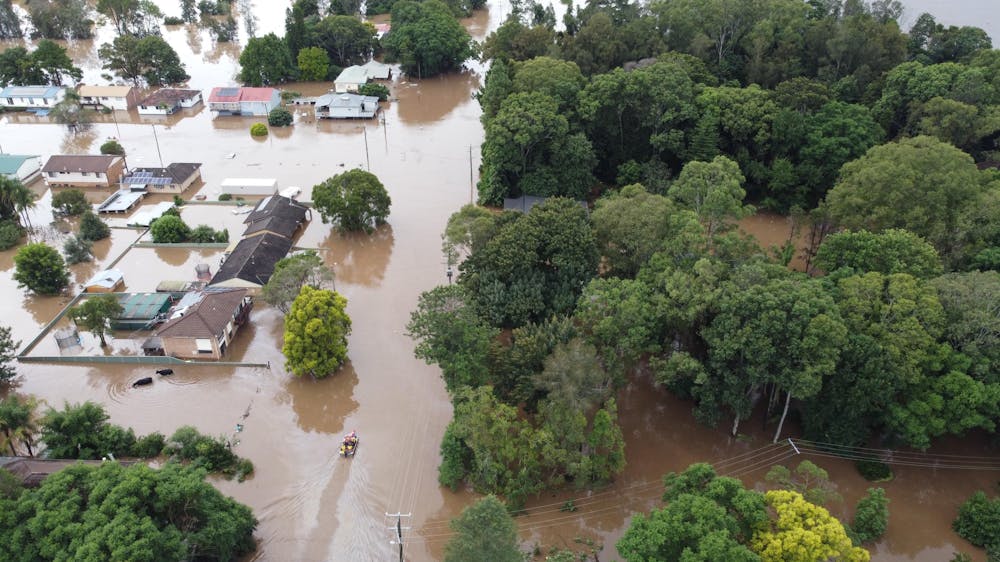 Emergency management plans must take into account people with disability.
AAP/BILLY CALLAGHAN
Emergency management plans must take into account people with disability.
AAP/BILLY CALLAGHAN
Change is urgently needed. Here are four things that could be done to ensure purposeful inclusion of people with disability and carers in all stages of recovery.
1. Work with peak (and local) disability advocacy organisations
When disaster strikes, people with disability need emergency housing in the short-term and more secure housing in the long-term.
Our research highlighted a lack of affordable accommodation for displaced carers and people living with disability. People were living in unsafe accommodation with mould, no cooking facilities and structural damage. Some were left homeless.
It is vital all levels of government work with peak (and local) disability advocacy organisations to understand and respond to disaster-related housing vulnerabilities.
People living with disability should be supported to plan for disaster risk. This should include programs to help people learn about their flood risk and what to do in an evacuation.
2. Ensure continuity of support and services
Disaster recovery plans should consider how, for people with disability, access to support and services can be disrupted by long-term displacement.
Disruption to support networks can leave people with disability isolated. Access to high-quality personal care, transport, food and health services must be continued during and after a flood.
The Disability-Inclusive and Disaster Risk Reduction Framework and Toolkit provides direction to service providers to ensure the safety of staff — and the people they support — before, during, and after a disaster.
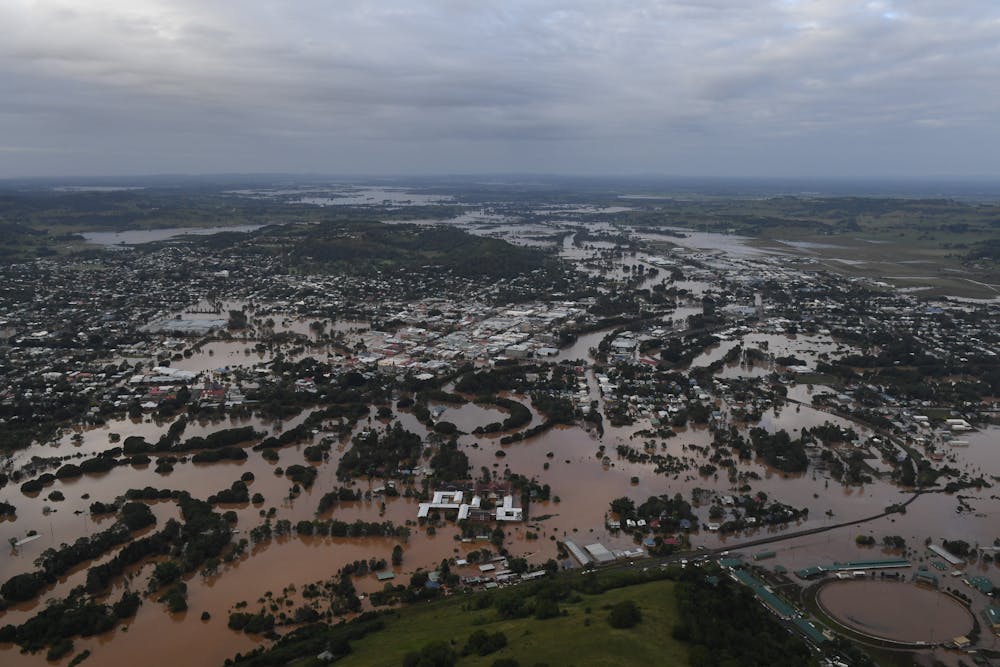 We surveyed people with disability and carers after a major flood in the Northern Rivers area of New South Wales area.
AAP Image/Tracey Nearmy
We surveyed people with disability and carers after a major flood in the Northern Rivers area of New South Wales area.
AAP Image/Tracey Nearmy
3. Make long-term investments in mental health and well-being
Floods can have enduring psychological impacts. For people with disability, however, the risk of prolonged distress and post traumatic risk disorder is higher.
Mental health conditions may take some time to emerge. Longer-term tailored supports are required - possibly for years after the flood.
Mental health services should be evidence-based, with additional training for primary care providers on how to identify and treat post-traumatic stress disorder.
Research has shown shown being connected to your community, for example through volunteering, clubs or informal gatherings, can reduce the risk of mental health issues after a disaster.
4. Develop person-centred preparedness plans
Too often, people living with disability are not adequately included in community-level disaster preparedness. Governments at all levels — but especially councils — must invest in helping people prepare personal emergency plans.
The Australian-designed Person-Centred Emergency Preparedness Workbook is a guide used by people with disability to tailor emergency preparedness planning to their needs.
It steps people through the planning process and includes tips from people with disability help to get the conversation started.
Emergency services also need to be well supported, and nobody should lay the blame on any particular agency. These organisations, many of which rely on volunteers, are doing the best they can in extremely challenging circumstances. But there is an opportunity here for broader systemic change to better meet the needs of disaster-affected people with disability and their carers.
The severity and frequency of flooding is likely to increase as the climate warms. So too will the human impacts. We urgently need to find ways to improve how we prepare and respond.
If this article has raised issues for you, or if you’re concerned about someone you know, call Lifeline on 13 11 14. This story is part of a series The Conversation is running on the nexus between disaster, disadvantage and resilience. You can read the rest of the stories here.
Authors: Jodie Bailie, Research Fellow, The University Centre for Rural Health, University of Sydney

















