What you need to know about wearable tech radiation exposure
- Written by: News Company
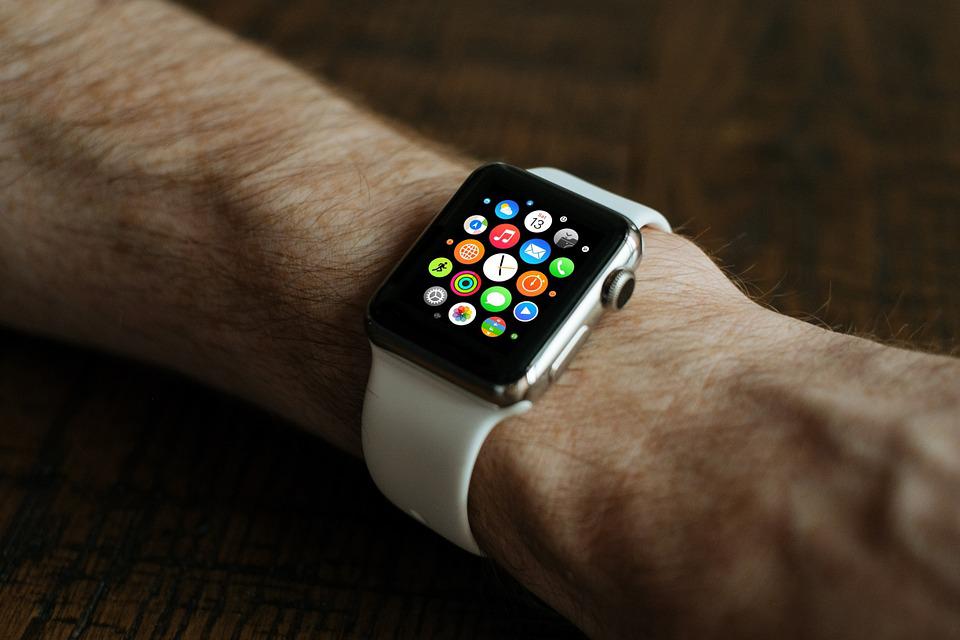
With constant advancements in technology, it can be difficult to keep up-to-date with the latest tech trends. Smartphones, smart watches, and VR are all readily available in shops, with newer and better models being made all the time.
Often technology improves our lives, for example, it makes it easier to communicate with others who are thousands of miles away which can help to decrease loneliness, purchase things online such as clothes or food, and can support medical phenomena, which can save people’s lives.
However, some scientists believe that technology can also be harmful for our lives. Learn more about the potential risks of tech radiation exposure and what you can do to minimise your risk.
What type of wearable tech is there?
Tech wearables are usually pieces of technology that you can attach to your person somehow to track your health and fitness. But you can also use them to keep track of your smartphone’s notifications and emails.
There is an abundance of wearable tech that you can get, and might already have. For example, you can buy smartwatches, fitness trackers, sport watches, smart clothing, and smart jewellery.
Long gone are the days where you have to pull out your smartphone to check your notifications, nowadays you can wear a smartwatch and check your emails that way. You also don’t need to wait a week or two to check if your exercise routine is working, as fitness trackers make it easy to access how much exercise you have done and how many calories you have burnt.
What kind of radiation do these devices emit?
Seamingly, tech wearables are making people’s lives easier, however experts are concerned about the potential health risks, such as radiation poisoning.
Like any technological device, wearable tech emits radiation. Tech radiation can have serious health implications. Many studies have already shown the effects mobile phones can have on people’s health (disrupting sleeping patterns, causing mood swings, and harming the reproductive system.)
But wearable tech poses new risks to a person’s overall health, because the radiation is closer to the person and is often on them all the time.
Wearable tech use Bluetooth or Wi-Fi technology to connect to smartphones and other devices. This type of radiation is considered more dangerous than mobile phones and other radiation emitting devices, however the risk of wearables really lies with the fact that it is closer to the person.
How harmful can these devices really be?
Adequate tests need to be carried out on all technology that uses Bluetooth and Wi-Fi and need to pass the FCC standards to ensure the product’s safety.
However, due to the fact that these devices haven’t been around for long enough to do thorough experiments on the overall health risks, these tests might not necessarily mean that the devices are safe.
A study carried out by the World Health Organization (WHO) found that cell phones could be carcinogenic to humans. The WHO also think that the closer the device is to a person’s body, the higher the levels of radiation exposure.
How to minimise your tech radiation exposure
It’s not all doom and gloom and you definitely don’t need to take back your wearable tech, as there are ways in which you can minimise your tech radiation exposure.
An obvious one is by limiting the amount of time you wear your device, for example if you are wearing a fitness tracker make sure you only wear it when you want to track your exercise. Or you could assign a set amount of hours to wear your smartwatch, such as during working hours.
Another way you can ensure that your tech wearables are safe is by purchasing them from trusted brands, who complete thorough tests and checks on their devices.
Besides this, if you are working in the industries like nuclear medicine, dental hygienists, podiatrists, etc. These are the field with the highest radiation exposure. To stay safe in these places use radiation protection products like lead curtains, lead apron, X-Ray accessories, mobile radiation barriers, etc.