

The Damp Truth: Why Your Overflowing Gutters Are an Open Invitation for Termites
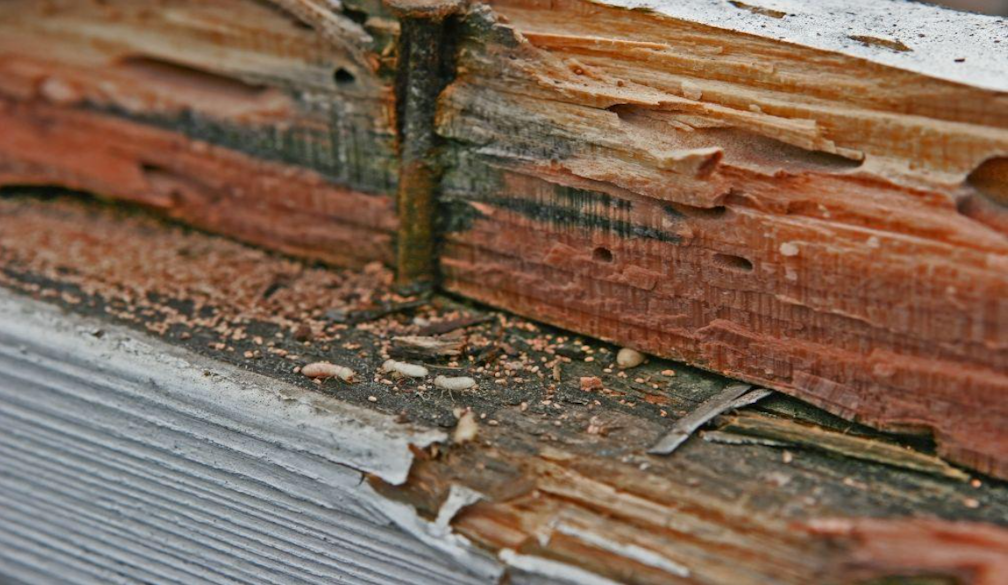
When it comes to protecting your home, most people think about visible threats — storm damage, cracked tiles, break-ins. But one of the most destructive problems starts quietly, just above your head.
Overflowing gutters.
It may seem like a minor annoyance, but clogged, sagging or undersized gutters do more than cause puddles. They create the perfect moisture conditions that attract one of Australia's most expensive home destroyers, termites.
Moisture: The Termite Welcome Mat
Subterranean termites thrive in damp environments. They live in the soil and build mud tunnels to access soft, moist timber. When gutters overflow, water does not simply fall to the ground and disappear. It:
- Soaks into the fascia boards behind the guttering
- Drips constantly onto garden beds and around the base of your home
- Increases humidity in roof cavities and subfloors
Over time, the timber behind and below your gutters begins to rot. The soil stays damp, even in dry weather. This combination creates two critical risk zones:
- Soft, decaying fascia that termites can easily burrow into
- Constantly moist soil that encourages termite foraging activity near your slab or stumps
Most homeowners never see the entry point until it is too late. By the time the signs of infestation appear — hollow walls, soft skirting boards, sagging door frames — the colony is well established, and repairs can run into the tens of thousands.
High-Flow Gutter Systems: Your First Line of Defence
If your gutters clog every time it rains, it is not just inconvenient. It is a structural risk.
Sydney Gutter Guys specialise in high-capacity gutter systems designed for Australian homes. Their installations are engineered to:
- Handle heavy downpours without overflow
- Direct water away from fascia, eaves and foundations
- Prevent pooling that can weaken timber and attract pests
- Include integrated guards that reduce leaf build-up and blockage
By upgrading your gutter system, you are not just improving water flow. You are reducing the risk of wood rot, soil saturation and hidden termite pathways.
It is not about aesthetics. It is about resilience. A well-managed water flow keeps your exterior dry and your foundations solid.
Why Roofing and Guttering Go Hand in Hand
While gutters handle the water runoff, the condition of your roof also plays a major role in moisture control. A poorly pitched roof or one with damaged flashing can create secondary problems that affect gutter performance.
That is why experienced gutter professionals often work in collaboration with roofing experts, such as Roofing Guys Sydney. Their teams specialise in roof repairs and structural upgrades that ensure rainwater flows where it should, safely off the roof and into a well-functioning gutter system.
A joined-up approach between roofing and guttering gives your home complete water protection, minimising the risk of leaks, overflow and timber saturation that could lead to pest activity or structural issues.
Pest Prevention: Know What Is Already There
While a quality gutter system helps stop the moisture problem at the source, that does not mean the termites are not already active. A colony can go undetected for months, sometimes years, before visible damage appears.
That is why a professional inspection is essential.
True Blue Pest Control offers comprehensive termite inspections using the latest detection tools and methods. Their technicians look for:
- Signs of mud tunnels and feeding damage
- Moisture levels in timber around your home
- Entry points from garden beds, pipes or structural gaps
- Early warning signs before visible damage occurs
If termites are present, early treatment can stop them before they spread. If not, a prevention plan ensures they do not get the chance.
Routine inspections, especially in high-risk areas like Sydney, are your insurance policy against surprise infestations.
The Real Cost of Waiting
Many homeowners delay action because the problem is not visible. But in termite control, visibility usually means it is too late.
Average repair bills for termite damage in Australia exceed $10,000. And most home insurance policies do not cover it. That means you are paying out of pocket for:
- Structural repairs
- Replacing walls, frames or cabinetry
- Treating the colony
- Ongoing pest management
Compared to a simple gutter upgrade and annual inspection, the risk is not worth it.
Long-Term Protection Starts with Awareness
Educated homeowners know that small signs often point to big problems. Damp patches, bubbling paint and constantly clogged gutters are not just annoying. They are potential red flags.
Protecting your home means being proactive. It means recognising that termites are opportunists. They go where the moisture is. And the easiest way to stop them is by making your home as dry and structurally sound as possible.





















