

What do oranges, coffee grounds and seaweed have in common? They outshine cotton in sustainable fashion
- Written by Rajkishore Nayak, Associate Professor , RMIT University Vietnam
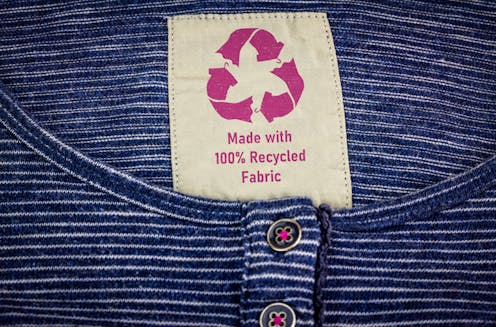
Ever considered the carbon footprint of manufacturing your favourite shirt?
The average cotton shirt produces 2.1 kilograms of carbon dioxide – but a polyester shirt produces over twice as much (5.5 kilograms). It might come as no surprise that the fashion industry is responsible for around 5% of global CO₂ emissions.
Some natural fibres can also take a heavy toll on the environment. Last week, for example, an ABC investigation revealed hundreds of hectares of the Northern Territory’s pristine tropical savanna had been cleared to make way for cotton farms, sometimes without permit.
So, are there more sustainable textiles we should be producing and purchasing instead?
Research, including our own ongoing research, points to certain “non-traditional fibres” as new green alternatives. These include fibres produced from wastes – think coffee waste and recycled plastic bottles – as well as seaweed, orange, lotus, corn and mushroom.
Brands such as Patagonia, Mud Jeans, Ninety Percent, Plant Faced Clothing and Afends are among the brands leading the way in incorporating sustainable fibres into their products. But the true turning point will likely come when more of the biggest names in fashion get involved, and it’s high time they invest.
The problems with traditional fibres
There are two types of traditional fibres: natural and synthetic. Natural fibres, such as cotton and flax, have certain advantages over synthetic fibres which are derived from oil and gas.
When sustainability is considered, natural fibres are preferred over the synthetic fibres due to, for instance, their ability to biodegrade and their availability in the environment.
However, some natural fibres (particularly cotton) need a lot of fresh water and chemicals that are toxic to the environment for harvesting. For example, it takes 10,000 litres of water on average to grow just 1 kilogram of cotton.
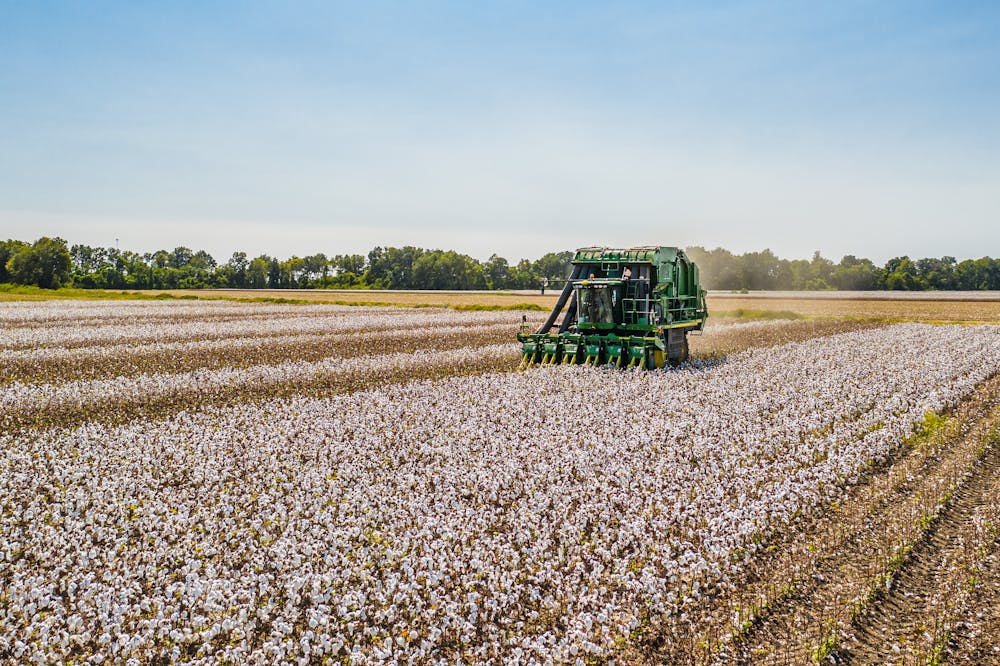
In comparison, synthetic fibres consume a significantly lower amount of water (about one hundredth), but a significantly higher amount of energy.
Petrochemical fibres made from fossil fuels – such as polyester, nylon and acrylic – are the backbone of fast fashion. Yet another big problem with such products is that they don’t easily decompose.
As they slowly break down, petrochemical fibres release microplastics. These not only contaminate the environment, but also enter the food chain and pose health risks to animals and humans.
You may have also come across blended fabrics, which are produced with a combination of two or more types of fibres. But these pose challenges in sorting and recycling, as it’s not always possible or easy to recover different fibres when they’re combined.
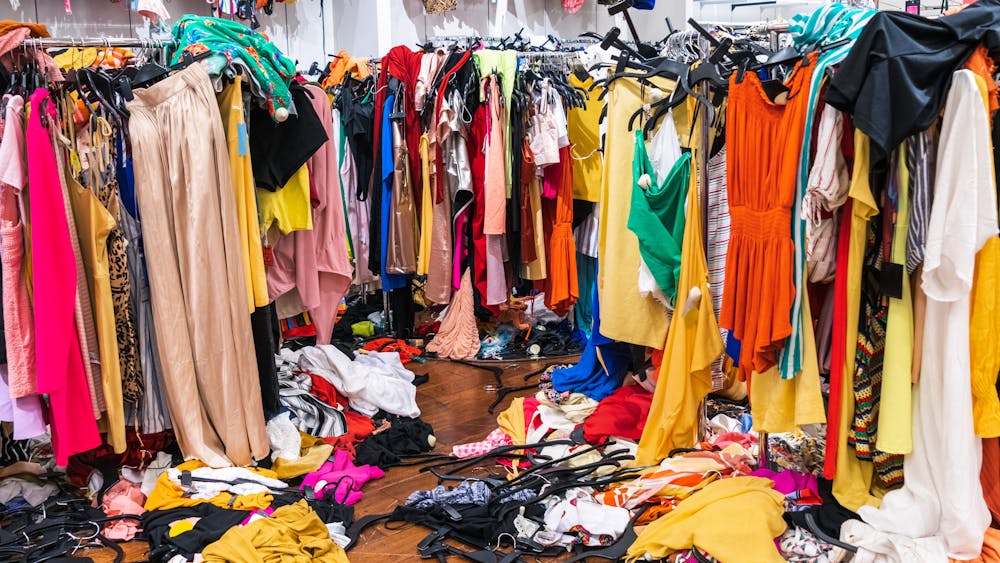 The fashion industry is responsible for around 5% of global emissions.
Shutterstock
The fashion industry is responsible for around 5% of global emissions.
Shutterstock
Non-traditional fibres: a potential game changer
Amid the overconsumption of traditional fibres, several global fashion brands have started to adopt new fibres derived from seaweed, corn, and mushroom. This includes Stella McCartney, Balenciaga, Patagonia, and Algiknit.
 Patagonia is among few global clothing brands spearheading sustainable materials.
AP Photo/Bebeto Matthews
Patagonia is among few global clothing brands spearheading sustainable materials.
AP Photo/Bebeto Matthews
Other emerging natural fibres include lotus, pineapple and banana fibres. Lotus fibres are extracted from the plant stem, banana fibres are extracted from the petiole (the stalk that connects the leaf and stem), and pineapple fibres are extracted from pineapple leaves.
The process of extracting fibres from wastes such as orange peels, coffee grounds, and even from the protein of waste milk, has also been well researched, and clothes have been successfully manufactured from these materials.
All these examples of non-traditional fibres are free from many of the problems mentioned earlier, such as heavy resource consumption (particularly fresh water), use of toxic chemicals, and the use of large amounts of energy (for synthetic fibres).
Further, these fibres are biodegradable at their end of life and don’t release microplastics when you wash them.
Meanwhile, there has been tremendous growth in the use of recycled synthetic fibres, which reduces the use of virgin materials, energy and chemical consumption. Recycling plastics such as drink bottles to make clothing is also becoming more common. Such innovations can help lower our dependency on raw materials and mitigate plastic pollution.
 Recycling plastic bottles to create synthetic fibres is a great way to minimise waste.
Shutterstock
Recycling plastic bottles to create synthetic fibres is a great way to minimise waste.
Shutterstock
What’s more, the selection of appropriate colour combinations during recycling and processing for fabrics can avoid the need for dyeing.
What now?
Fashion companies can reduce the load on the environment through seriously investing in producing sustainable fibres and fabrics. Many are still in research stage or not receiving wider commercial applications.
Fashion manufacturers, large fashion brands and retailers need to invest in the research and development to scale-up production of these fibres. And machine manufacturers also need to develop technologies for large-scale harvesting and manufacturing raw materials, such as sustainable fibre and yarn.
At the same time, you, as a consumer, have an important role to play by demanding information about products and holding brands accountable.
Authors: Rajkishore Nayak, Associate Professor , RMIT University Vietnam

















