

Understanding the Green Impact: Evaporative Cooling Systems and the Environment
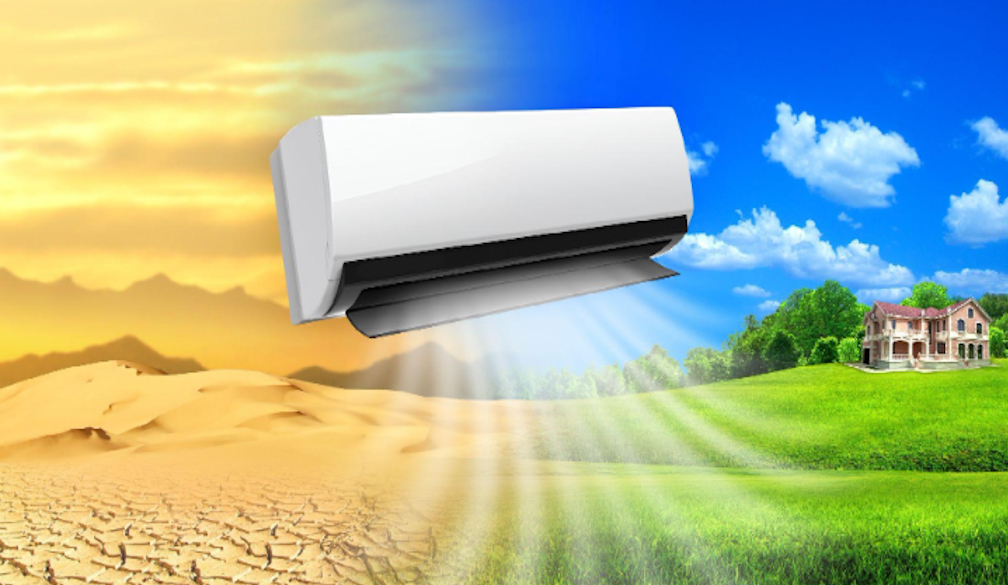
Evaporative cooling systems, referred to as nature's own air conditioner, have seen a surge in popularity due to their eco-friendly characteristics. This is largely attributed to the increasing need for energy-efficient, sustainable cooling solutions that have minimal impact on the environment. This article aims to shed light on evaporative cooling systems, the environmental disadvantages of traditional cooling systems, and the environmental advantages of evaporative cooling.
Understanding Evaporative Cooling Systems
Evaporative cooling is a natural and effective form of air conditioning that takes advantage of the principles of evaporation to cool the air. They're simple in structure, comprising a fan, water-soaked pads, and a water reservoir. When the fan draws in hot, dry air, it passes over the wet pads, causing the water to evaporate which in turn cools and humidifies the air.
There are two main types of evaporative coolers: direct and indirect. Direct coolers work by evaporating water into the air directly, whereas indirect coolers use a heat exchanger to cool the air without adding moisture.
Compared to traditional systems, evaporative coolers are incredibly energy-efficient, using up to 75% less energy. They also utilise fewer chemicals, making them a more environmentally-conscious choice.
Environmental Impact of Traditional Cooling Systems
Traditional cooling systems, such as air conditioners, have a noteworthy negative impact on our environment. The bulk of their environmental impact comes from their significant energy use and the consequent greenhouse gas emissions. These harmful emissions contribute to climate change and global warming.
Moreover, traditional cooling systems rely heavily on refrigerants, chemicals that have a high global warming potential. When disposed of improperly, these refrigerants can escape into the atmosphere, exacerbating the greenhouse effect. They can also be detrimental to the ozone layer if not managed correctly.
Environmental Benefits of Evaporative Cooling Systems
Evaporative cooling systems triumph when it comes to environmental benefits. Primarily, they emit significantly fewer greenhouse gases, owing to their minimal energy consumption. Furthermore, they function on the natural process of evaporation and require no harmful refrigerants.
Regarding energy efficiency, evaporative coolers are high performers. Energy consumption is limited to the fan and the water pump, far less than the heavy energy draw of a typical air conditioning unit.
In terms of water usage, evaporative coolers do consume water. However, when compared to the amount of water used in the energy production process for traditional air conditioners, evaporative coolers still come out ahead.
Evaporative Cooling Systems and Sustainability
Evaporative cooling systems are heralded as one of the forerunners in sustainable cooling solutions. They present an attractive opportunity in sustainable building design due to their energy and cost efficiency.
Their integration into buildings adds to the concept of a circular economy, as they promote the use of renewable resources and limit waste. Moreover, these systems can be powered by renewable energy sources such as solar power, driving their sustainability even further.
Overcoming the Limitations of Evaporative Cooling Systems
Despite these substantial environmental advantages of evaporative cooling, these systems are not without their limitations. They are most effective in hot, dry climates and can struggle to perform in high-humidity regions.
However, solutions and strategies are being developed to improve their performance. Hybrid designs, for example, combine evaporative coolers with traditional air conditioners, addressing the issue of humidity while still conserving energy.
Moreover, research and innovation are helping to create more advanced evaporative cooling technologies that are even more efficient and environmentally friendly.
Conclusion
In summary, evaporative cooling systems present an innovative solution to environmental and energy concerns posed by traditional cooling systems. Their strengths lie in their low energy consumption, minimal greenhouse gas emissions, and overall alignment with sustainable development.
Nevertheless, more research and innovation is needed to broaden their usability across diverse climates and maximise their potential. These developments in greener technologies, such as evaporative coolers, are significant stepping stones on the road to a more sustainable and eco-friendly future.


















